
Obliques
The muscles on the sides of the trunk that rotate and side-bend the torso and help brace the core.
Overview
The obliques sit on the sides of the trunk, running diagonally between the ribs and the pelvis. There are two layers on each side — the external and internal obliques — angled in different directions.
They rotate the trunk, bend it sideways and, working with the other abdominal muscles, help brace the midsection. That makes them central to any twisting or throwing action.
Good to know
- Power rotational actions like throwing, swinging and twisting
- Work with the abs and lower back to stabilise the trunk
- Heavily used in racquet, bat and throwing sports
Where it’s used
Sports this relates to:
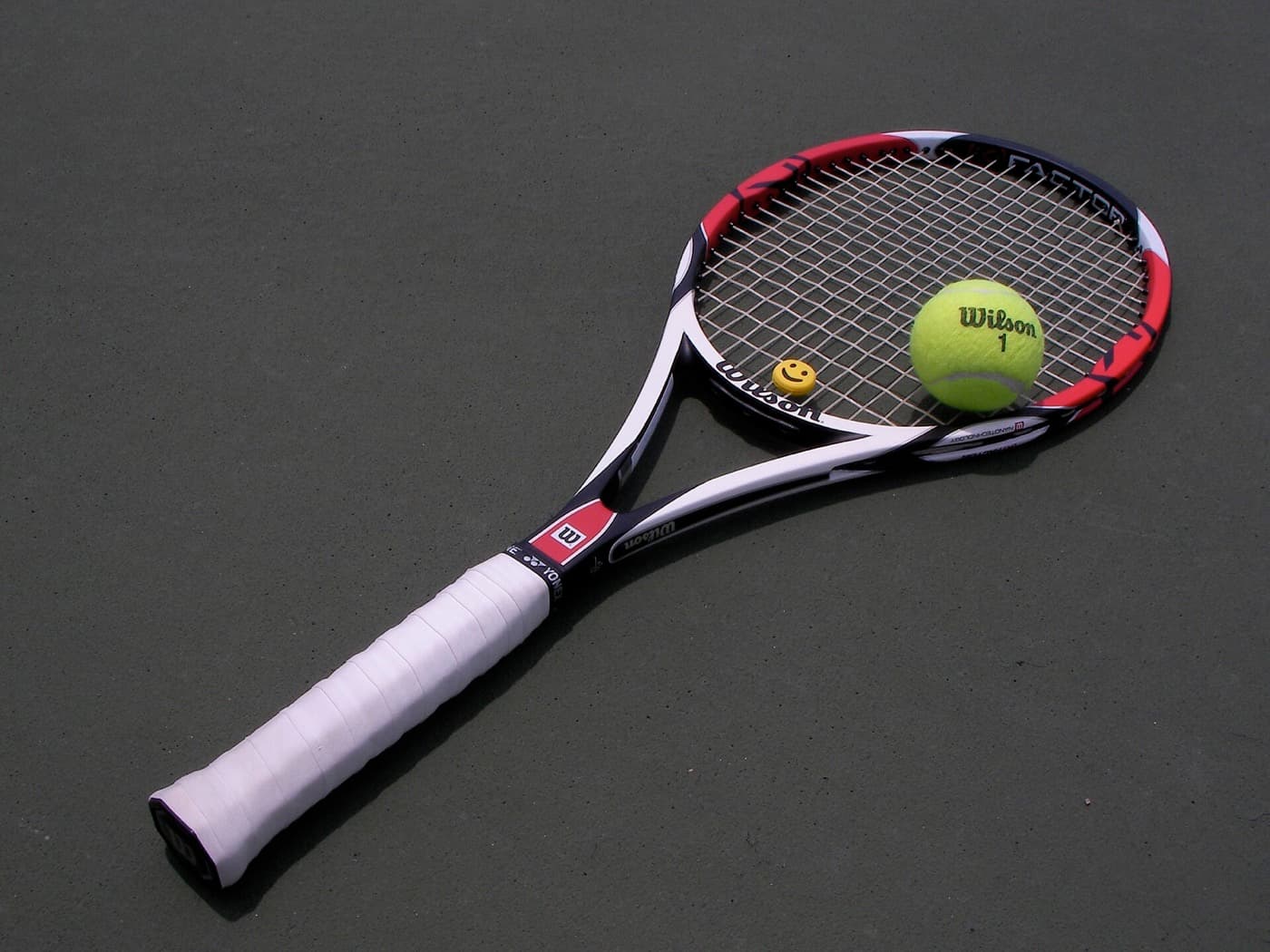
Tennis
A singles or doubles racquet sport that blends agility, strategy and stamina on court.
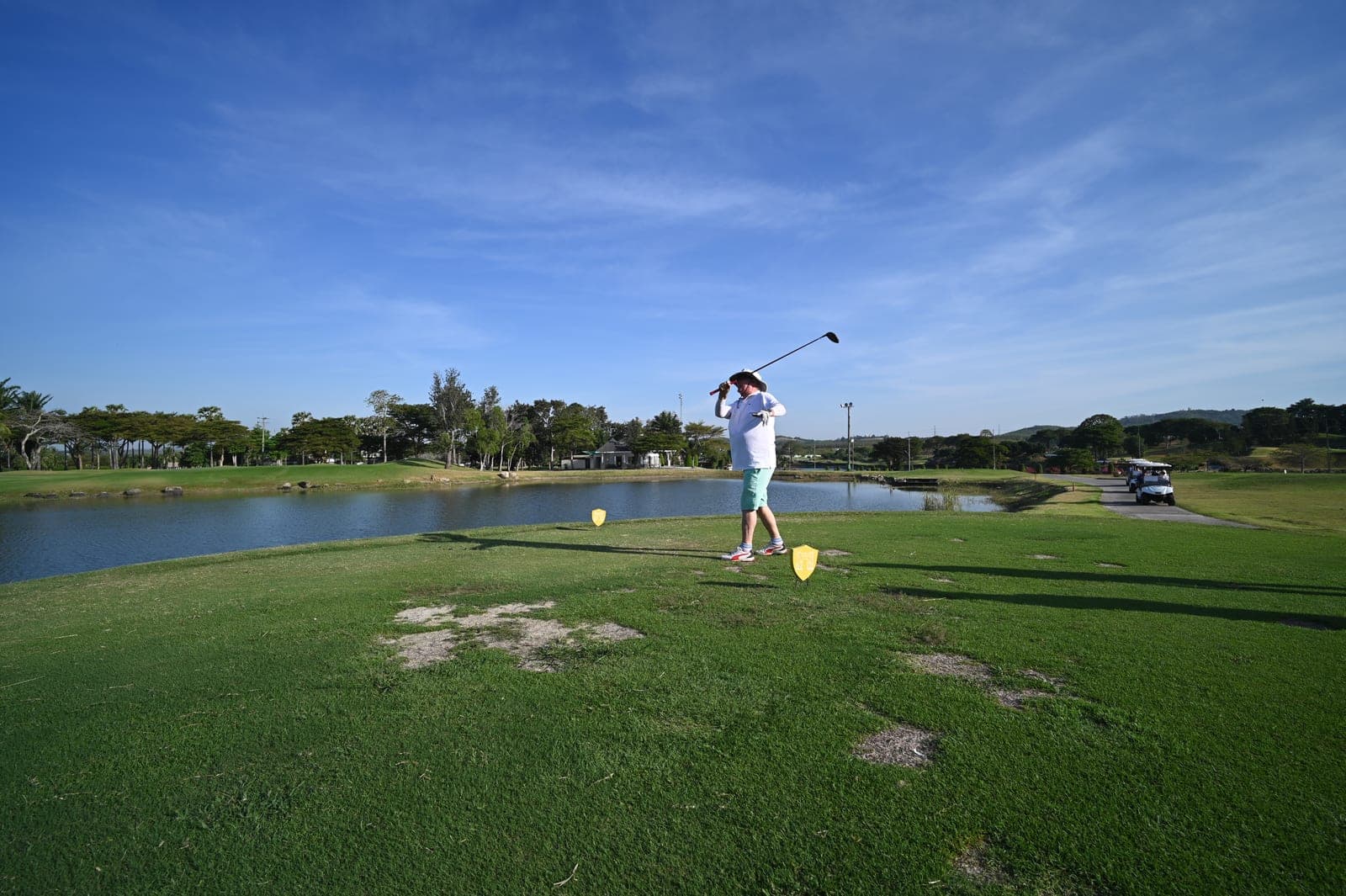
Golf
A precision target sport played across an outdoor course, blending skill, strategy and a long walk in the open air.
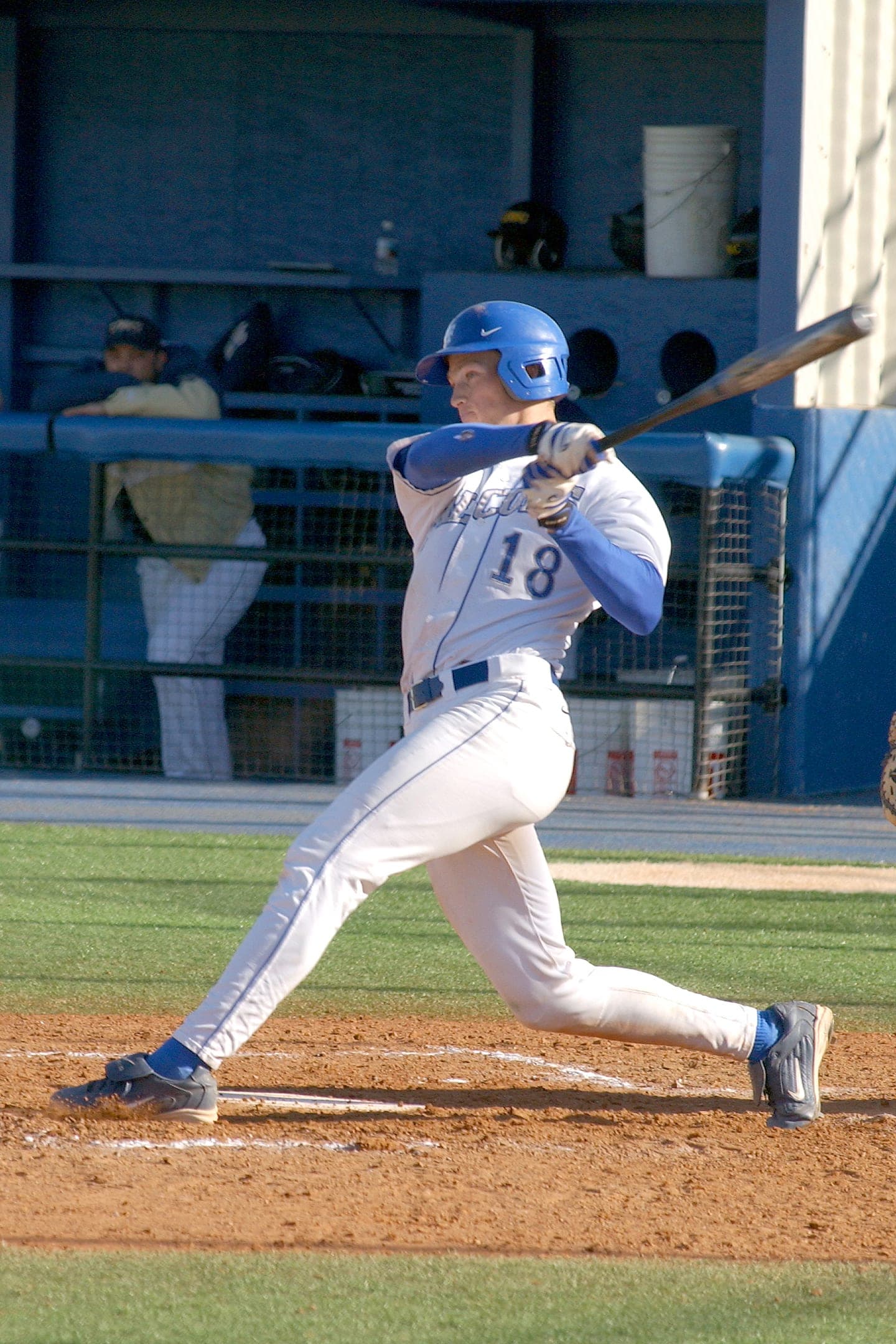
Baseball
A bat-and-ball team sport where two sides alternate between batting and fielding to score runs.
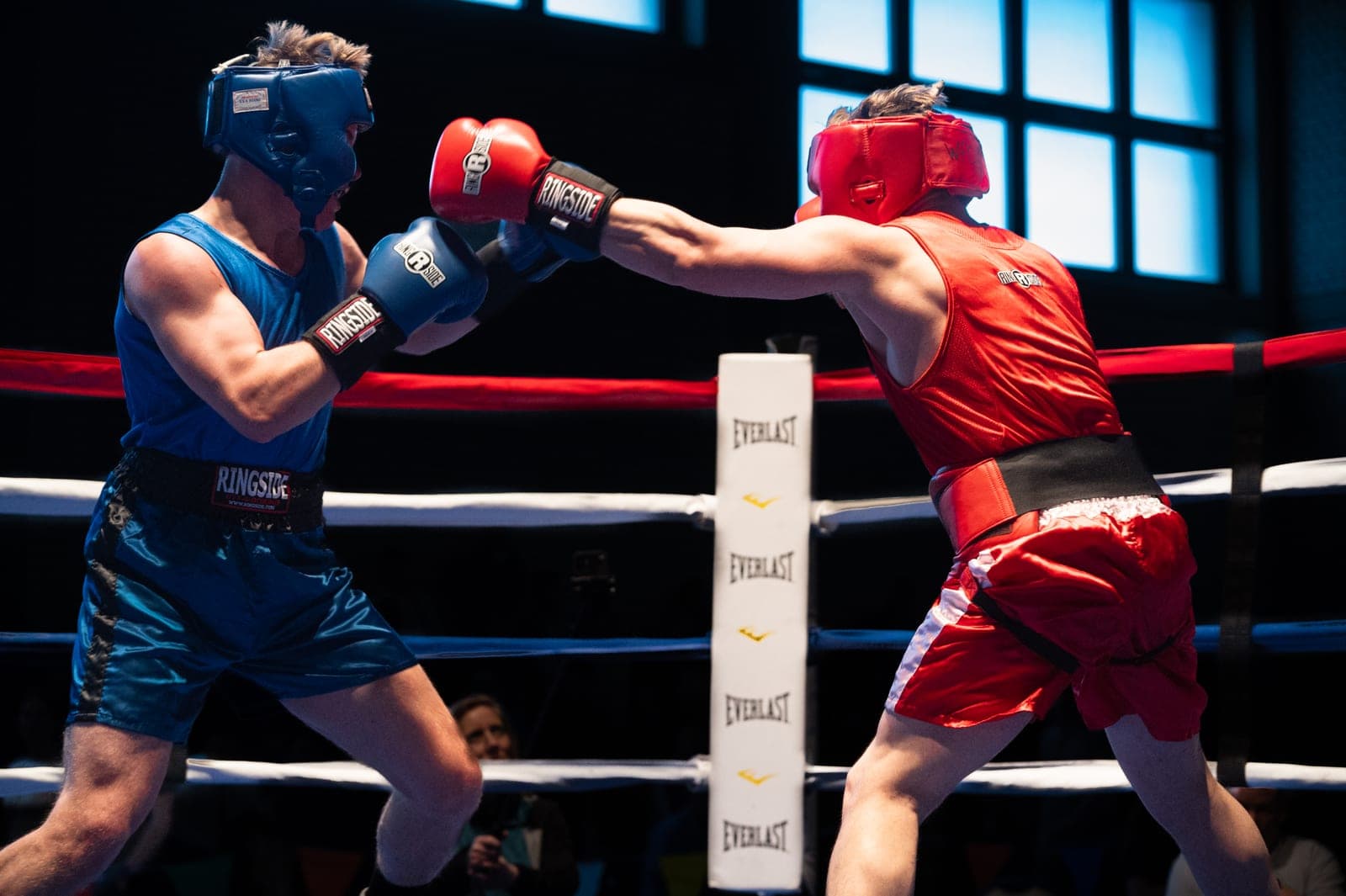
Boxing
A striking combat sport built on footwork, timing and conditioning, practised from fitness drills to controlled sparring.
Exercises that work the obliques
Farmer’s carry
A loaded carry where you walk while holding a heavy weight in each hand.
Plank
A core-holding exercise where you keep your body in a straight line supported on forearms and toes.
Side plank
A core hold on one forearm and the side of the foot that targets the muscles along your side.
Dead bug
A floor core exercise where you extend opposite arm and leg while keeping your back settled.
Sit-up
A classic core exercise where you lift your torso from the floor toward your knees and back down.
Russian twist
A rotational core exercise where you twist your torso from side to side while seated and leaning back.
Explore across the knowledge base
Follow the threads that connect Obliques to the rest of SocialSportHub.
Movement patterns
- CarryHolding and transporting a load while keeping the trunk braced and stable — an anti-movement pattern that builds grip, core stability and full-body strength.
- RotationRotating the trunk to generate and transfer power through the body's kinetic chain, plus anti-rotation — resisting unwanted twist to keep the trunk stable.
- Change of DirectionA planned redirection of the body from one movement vector to another, requiring an athlete to decelerate existing momentum and reaccelerate along a new line between two known points.
- Crossover StepA lateral or diagonal travelling step in which one leg crosses over the other with accompanying hip and trunk rotation, trading a stable base for greater reach and speed.
- CutA sharp, frequently reactive plant-and-redirect performed in a single decisive foot contact to evade an opponent or abruptly alter a line of travel.
Go deeper with Obliques
Everywhere else on the platform that covers Obliques — assembled from what actually references it, so nothing here is a dead end.
Take it away
Open data and the whole-platform view of this subject.
How this page is maintained
- Content type
- Muscle group
- Provenance
- Tier A — evergreen educational
- Verified external sources
- 0
- Content updated
- 2026-07-06
Evergreen, first-party explanation — it makes no claim that needs an external source. How we handle sources and reviews.