
Offside
A rule that penalises an attacking player for being in an illegal forward position when the ball is played to them.
Definition
In football, a player is offside if they are nearer to the opponents’ goal line than both the ball and the second-last defender at the moment a teammate plays the ball to them, and they then become involved in active play. The rule exists to stop attackers waiting close to the opposing goal for an easy pass.
Similar offside concepts appear in other sports, such as rugby and ice hockey, although the exact positioning that counts as offside is different in each. When an offside offence is called, play usually restarts with a free kick or equivalent to the defending team.
Where you’ll hear “offside”
Sports that use this term:

Football
The world’s most popular team sport — endless running, teamwork and community in one game.
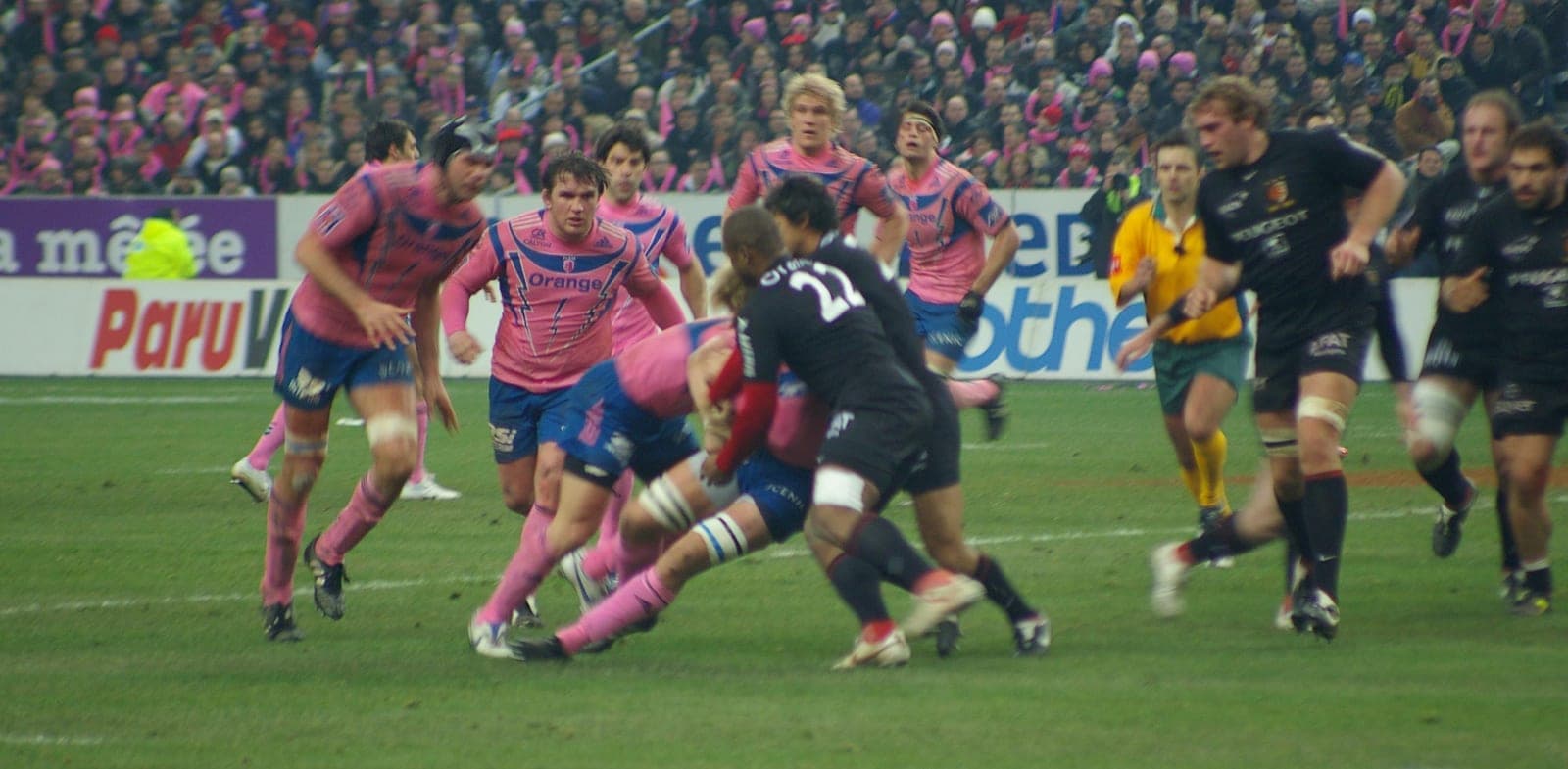
Rugby
A physical team sport of carrying, passing and kicking an oval ball toward the opposing line.

Ice Hockey
A fast team sport on ice that combines skating skill with quick passing and goal-scoring.
Explore across the knowledge base
Follow the threads that connect Offside to the rest of SocialSportHub.
Rules
- OffsideA rule that prevents an attacker from gaining an advantage by being positioned too close to the opponents' goal ahead of the ball and the last defenders.
- Direct and indirect free kicksThe two types of free kick awarded in football to restart play after a foul or other stoppage.
- Offside in rugby unionRugby union's most context-dependent law — where the offside line sits in open play, what an offside player must not do, the 10-metre rule after a kick, and how a player is put onside.
- Off-side in ice hockeyThe rule that stops attackers waiting in the attacking zone — where exactly the blue line is crossed, why skates and not sticks decide it, and what a delayed off-side means.
- Touching the netA net-play rule that penalises a player for contacting the net during a rally in net-divided sports.
Tactics
- Offside trapA defensive football tactic where the back line steps up together to leave an attacker offside.
- Counter-attackWinning the ball and moving forward at speed to attack before the opponent can reorganise their defence.
- Wing playAttacking down the flanks and crossing the ball into the box to stretch the defence and create chances.
- Territory versus possessionRugby union's central strategic trade — when to keep the ball and when to kick it away — and why the 22-metre line makes field position worth more than possession in some parts of the field.
Positions
- Full-backA full-back is a defender who plays on the left or right side of the defence, defending the flank while also supporting attacks down the wing.
- StrikerA striker is the main attacking player in football, positioned furthest forward with the primary job of scoring goals.
- WingerA winger is an attacking player who operates in the wide areas of the pitch, using pace and dribbling to beat defenders and create chances.
- GoalkeeperThe goalkeeper is the last line of defence in football and the only player allowed to handle the ball inside their own penalty area.
- Small forwardThe small forward is a versatile wing player in basketball who can score inside and outside while also defending multiple positions.
Strategies
- Possession vs Direct PlayThe strategic choice between retaining the ball to build attacks patiently and moving it forward quickly and directly toward the goal.
- Using Width and SpaceA side's plan to stretch the playing area and open gaps when attacking, then shrink and control that space when defending.
- Set-Piece StrategyThe deliberate plan for turning dead-ball restarts — corners, free-kicks, throw-ins, serves — into chances to score or to defend.
Player roles
- Target playerA target player is a focal attacker who receives, holds up and links play for others, often physically strong and good in the air or with the hands.
- PlaymakerThe playmaker is a team's creative hub — the player who orchestrates attacks, controls the tempo and distributes the ball so teammates can score.
Go deeper with Offside
Everywhere else on the platform that covers Offside — assembled from what actually references it, so nothing here is a dead end.
Take it away
Open data and the whole-platform view of this subject.
How this page is maintained
- Content type
- Term
- Provenance
- Tier A — evergreen educational
- Verified external sources
- 0
- Content updated
- 2026-09-01
Evergreen, first-party explanation — it makes no claim that needs an external source. How we handle sources and reviews.