
Last line of defence
The final barrier between an attack and a score — the goalkeeper, sweeper or last-ditch defender whose job is to stop what the rest of the team has let through.
Overview
The last line of defence is a functional role rather than a single named position: it is whoever stands closest to their own goal or scoring area and carries the final responsibility for stopping the opposition. In many sports that job belongs to a dedicated goalkeeper who guards the goal with hands, body and quick reactions. In others it falls to an outfield player stationed behind everyone else — a sweeper in football, a deep safety in American football, or a fullback covering the space behind the defensive line in rugby. What unites them is both position and mindset: they are the barrier that has to hold once an attacker has slipped past every teammate in front.
Because little or no cover stands behind them, players in this role work with a wider view of the field and a different set of priorities than the defenders ahead of them. They tend to read the whole attack rather than track a single opponent, organise the players in front, and choose between holding their ground and committing to a decisive intervention such as a save, tackle, interception or clearance. The idea also appears in less literal forms: a volleyball libero digging a spike is the last barrier before the ball reaches the floor, and a basketball help defender protecting the basket is the final obstacle before a score. Across all of them the role rewards composure, sound positioning and reliable decision-making when the pressure is highest.
Responsibilities
- Positioned last: the defining feature is being the final barrier an attack must beat, with little or no cover behind to bail out a mistake — for a goalkeeper no teammate stands behind at all, while an outfield sweeper is the last cover in front of the keeper.
- Reads the whole play: rather than marking one opponent, this player watches the entire attack develop and shifts position to cover the most dangerous space before the ball gets there.
- Organises those ahead: with the clearest view of the field, the last defender often directs teammates, sets the defensive line and calls out threats early — communication is as important as the tackle or save itself.
- Chooses when to commit: staying on the feet keeps options open, while a well-timed tackle, save, interception or clearance can end an attack outright, so timing the moment to engage is a core skill.
- Appears in many forms: a hands-on goalkeeper, an outfield sweeper or deep cover defender, and last-ditch specialists such as the volleyball libero all share the same job — be the barrier that holds.
Where it’s used
Sports that use last line of defence:
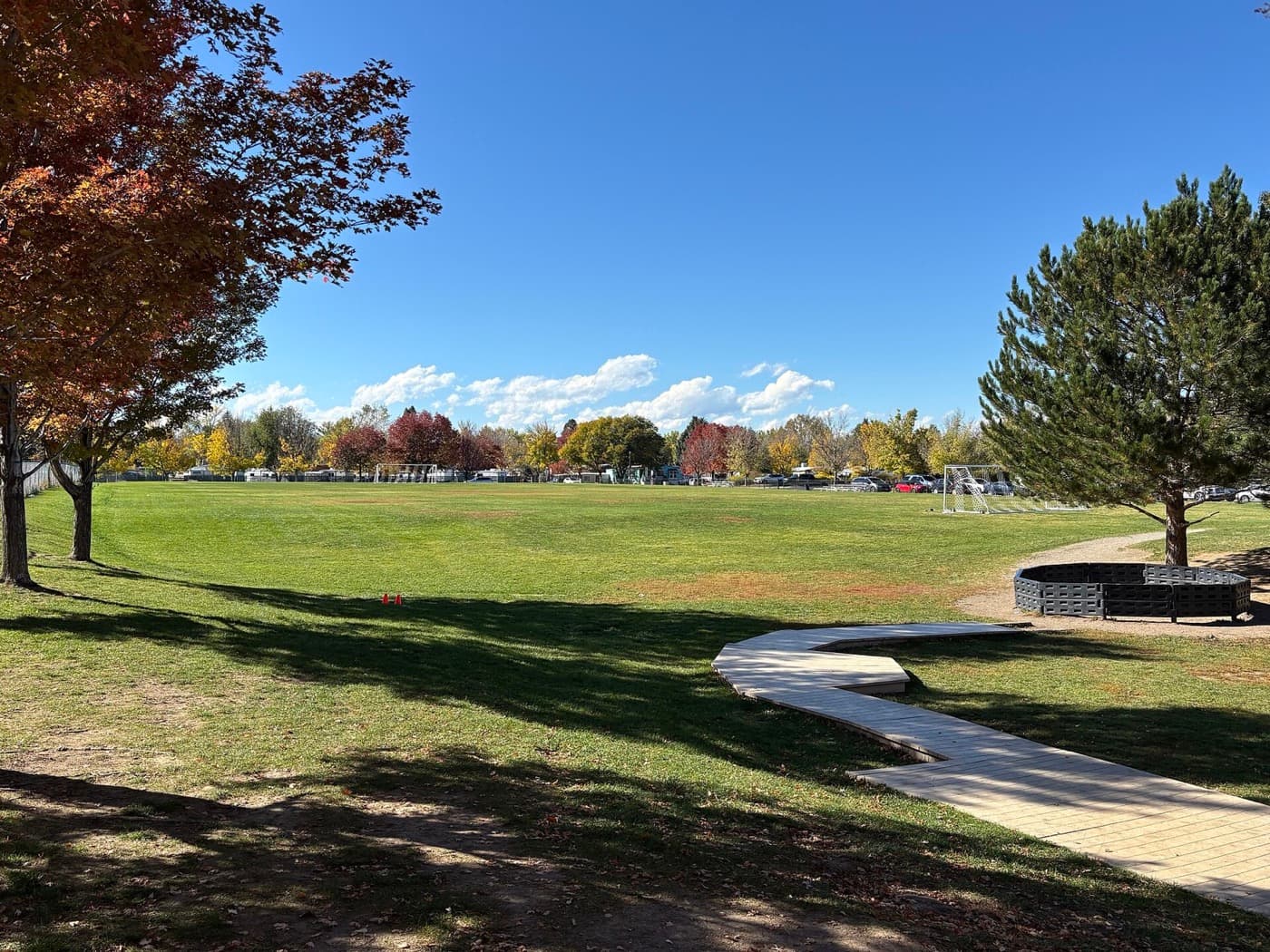
Football
The world’s most popular team sport — endless running, teamwork and community in one game.
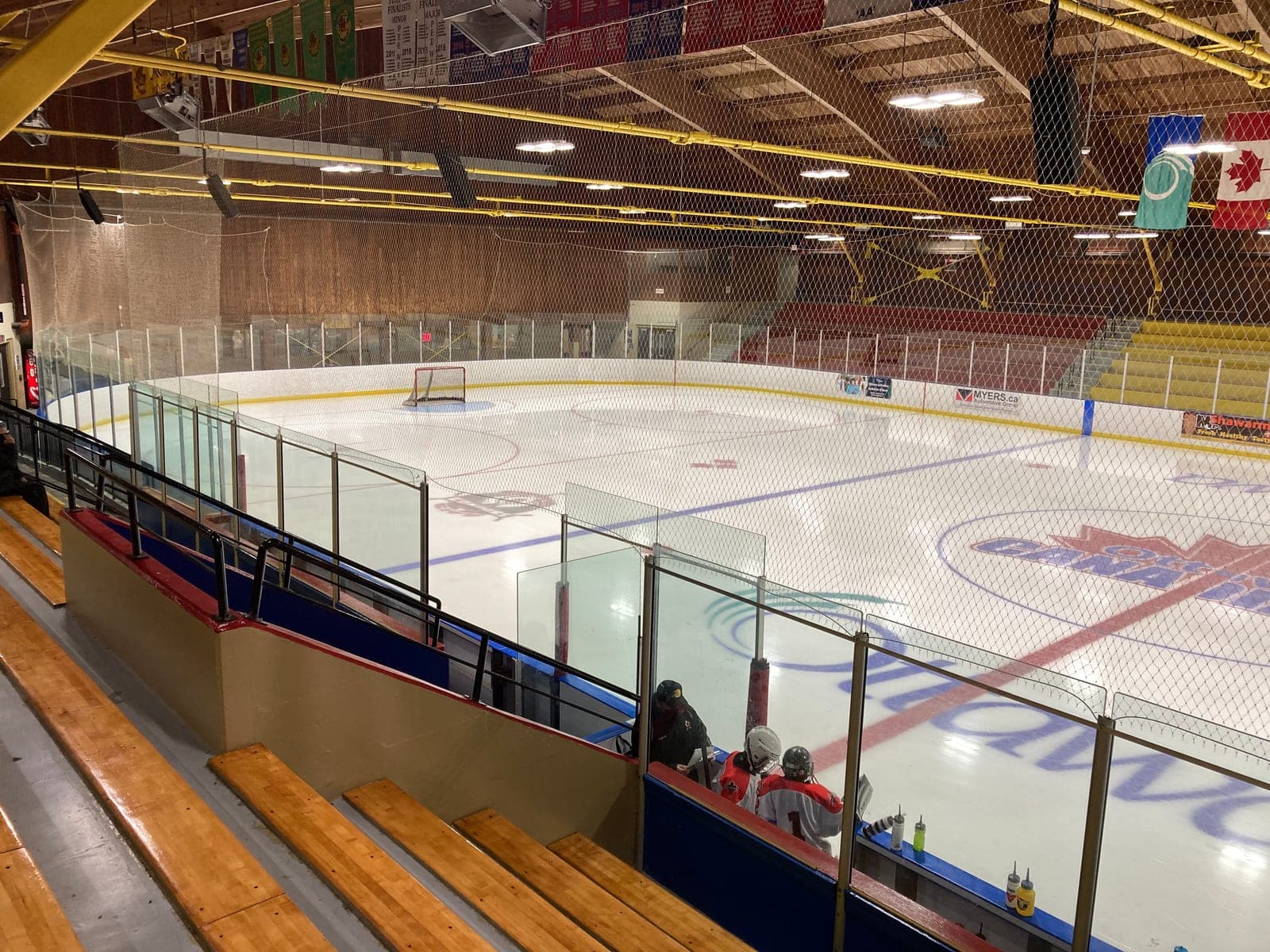
Ice Hockey
A fast team sport on ice that combines skating skill with quick passing and goal-scoring.
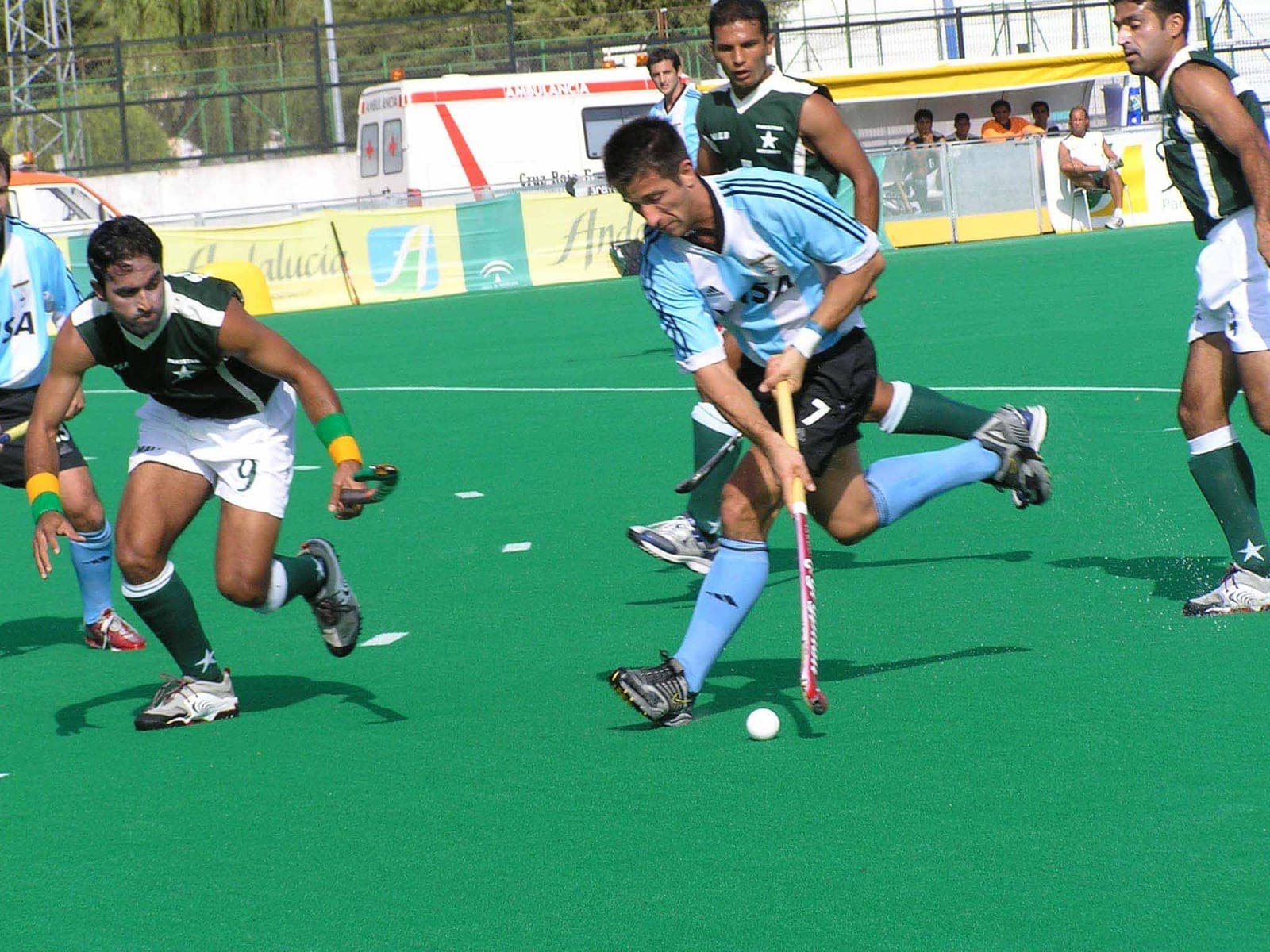
Field Hockey
An outdoor team sport that uses curved sticks to move a ball, built on agility and teamwork.
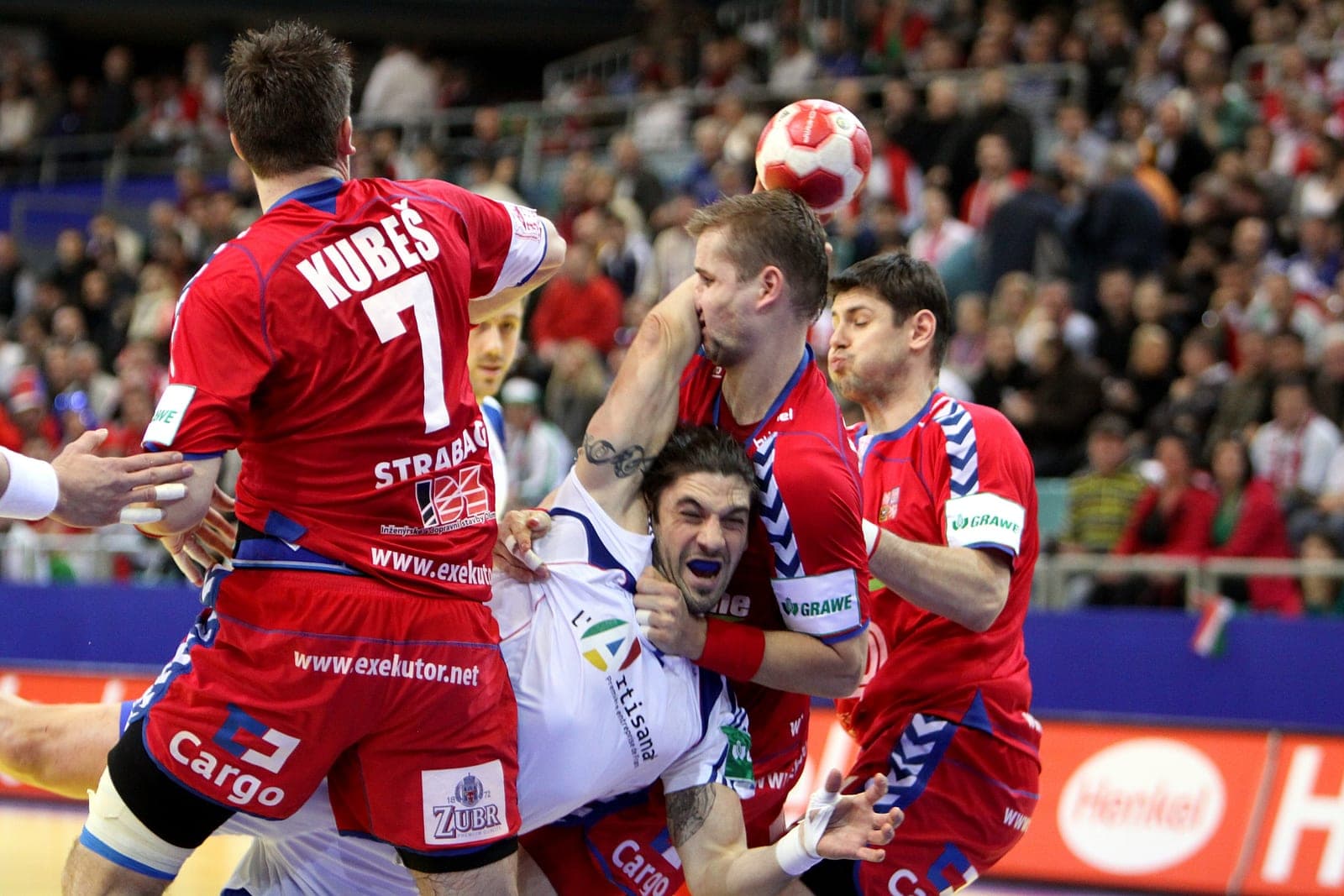
Handball
A fast indoor team sport of passing, jumping and throwing to score with the hands.
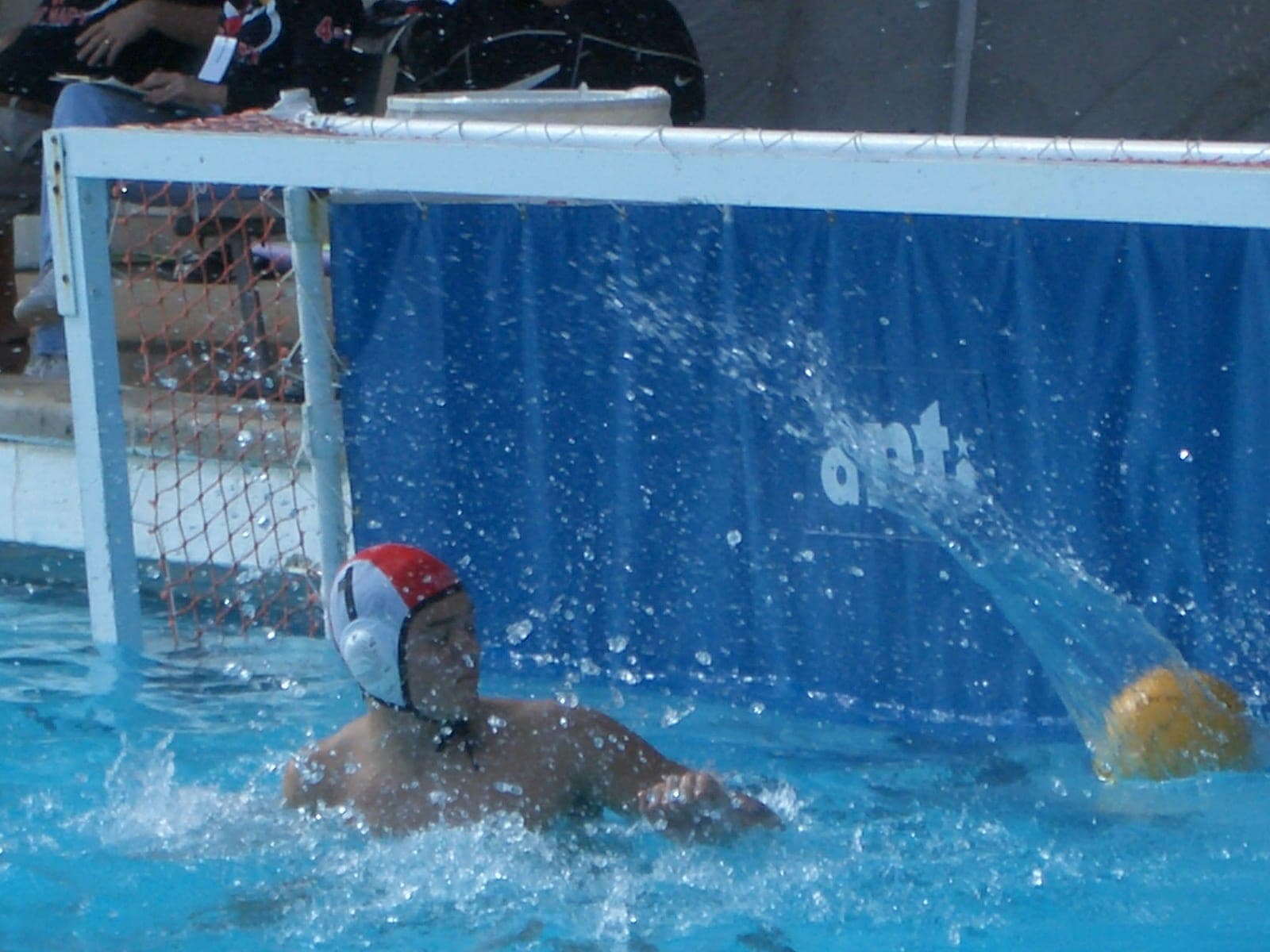
Water Polo
A demanding team sport played in deep water, blending swimming endurance with tactics.
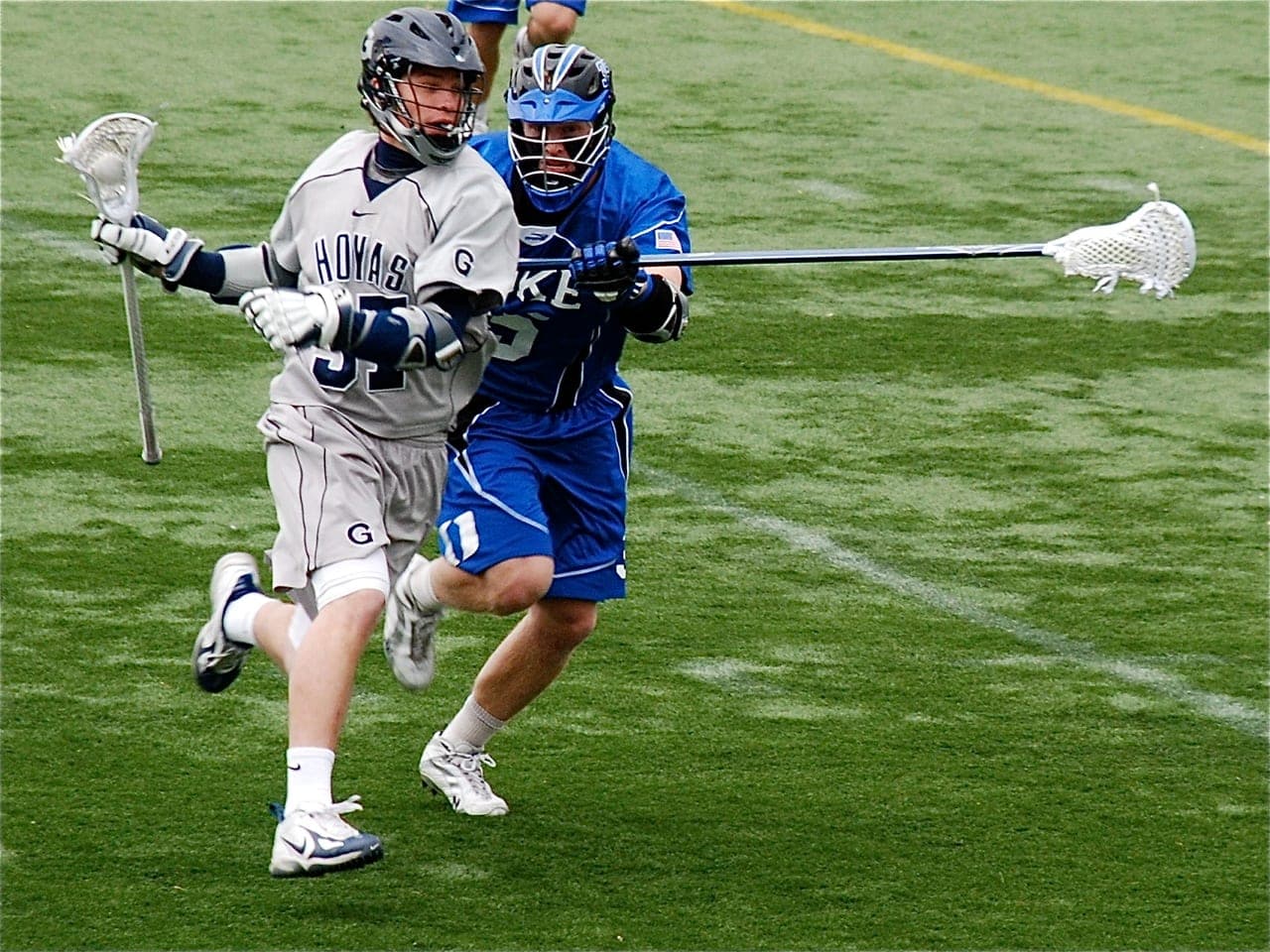
Lacrosse
A fast, stick-and-ball team sport of catching, cradling and shooting a small ball toward a goal.
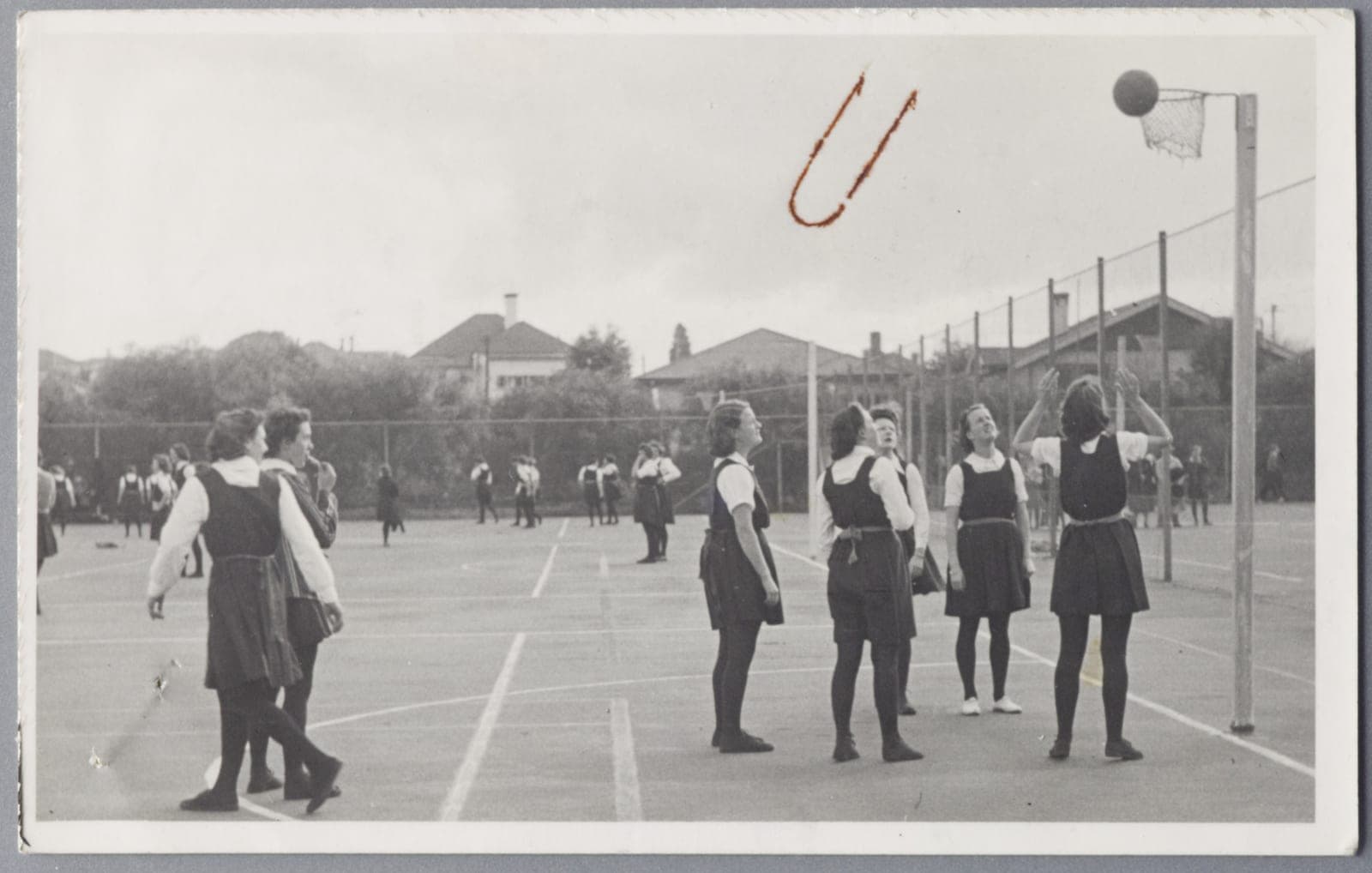
Netball
A non-contact, position-based team sport of quick passing and accurate shooting.
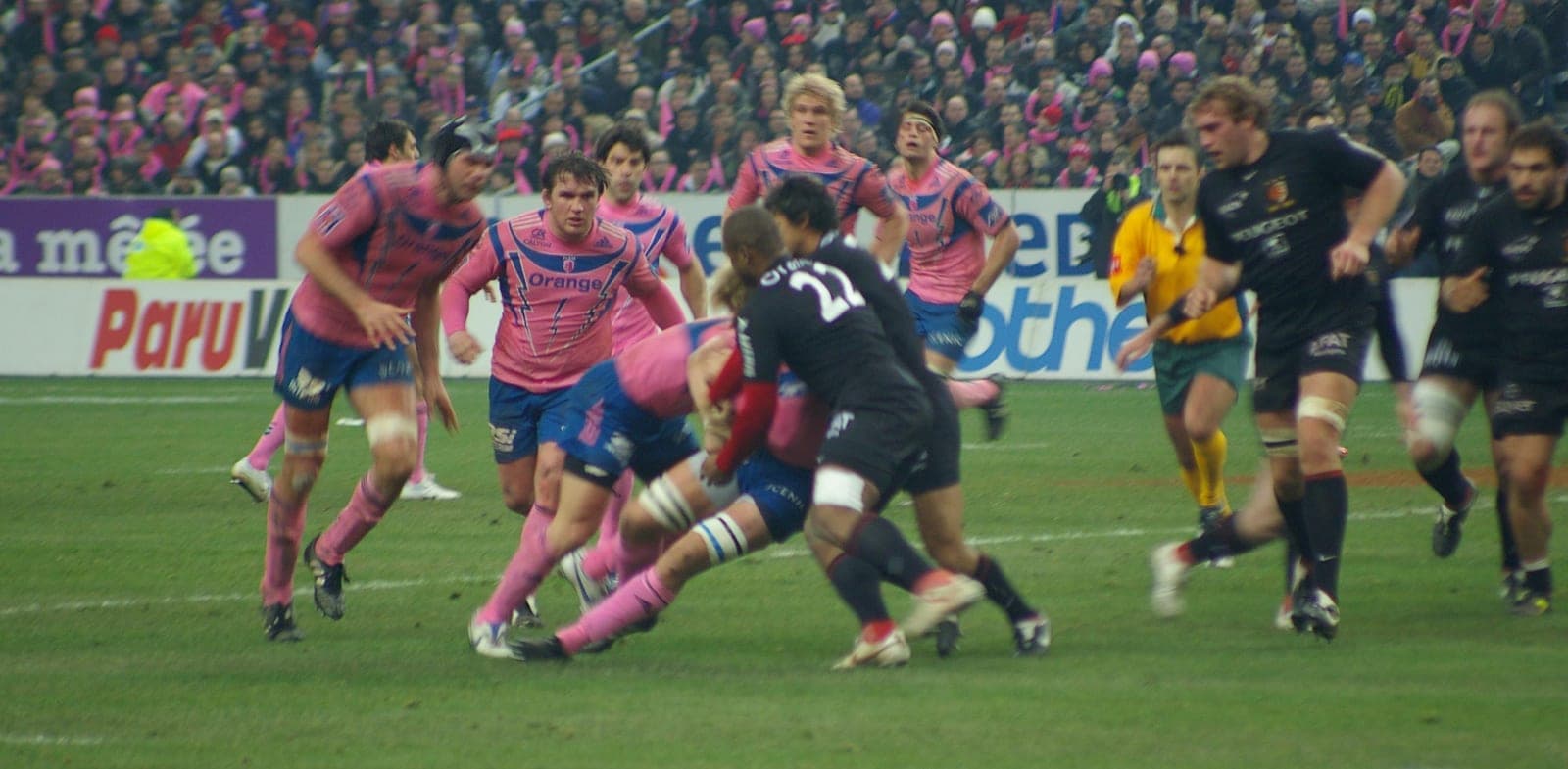
Rugby
A physical team sport of carrying, passing and kicking an oval ball toward the opposing line.
American Football
A strategic, position-based team sport of set plays, sprinting and coordinated teamwork on a marked field.
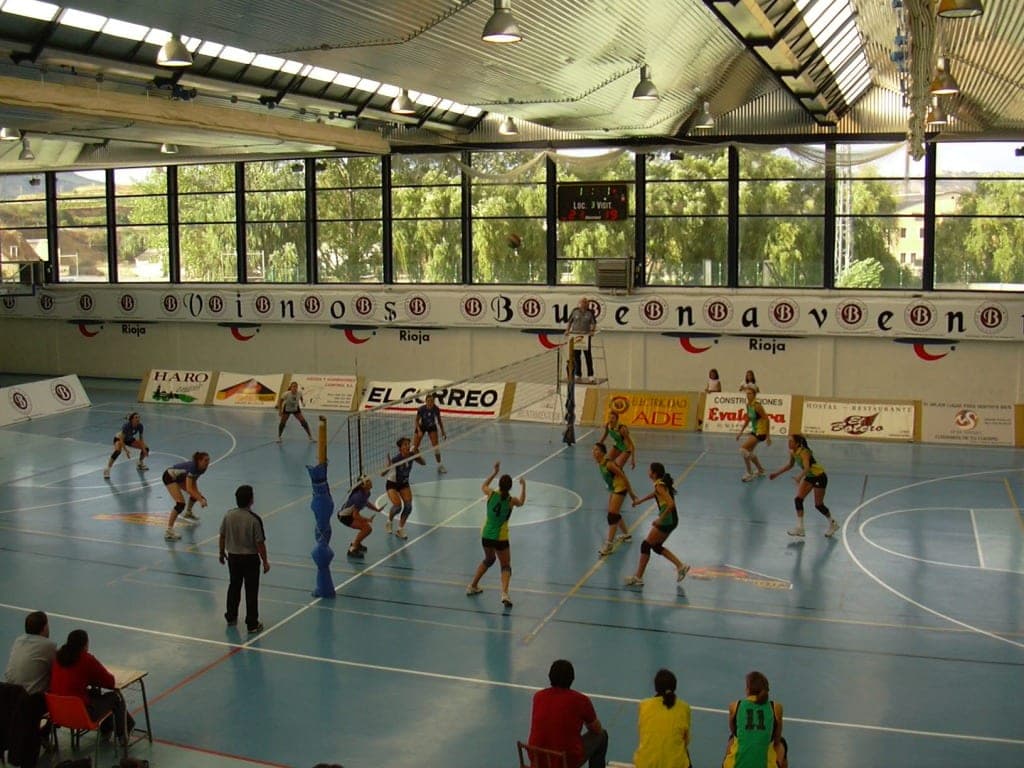
Volleyball
A non-contact team sport of rallies, jumps and teamwork — indoors or on the beach.
Related player roles
Playmaker
The playmaker is a team's creative hub — the player who orchestrates attacks, controls the tempo and distributes the ball so teammates can score.
Finisher
A finisher is the attacking outlet in a team sport whose main job is converting chances into points — the striker, goal shooter or go-to scorer.
Captain
The captain is a team's on-field leader who communicates, makes in-game decisions and sets standards — a role any player can hold, not a fixed position.
How it connects
The meaning-bearing relationships that place Last line of defence in the wider knowledge graph — each one with the reason it exists.
Frequently learned together
Taught side by side in the same stage of a learning path.
- FinisherBoth are taught in the “Find your position or role” stage of the Water Polo learning path.
- CaptainBoth are taught in the “Find your position or role” stage of the Water Polo learning path.
- All-RounderBoth are taught in the “Find your position or role” stage of the Water Polo learning path.
- AnchorBoth are taught in the “Find your position or role” stage of the Water Polo learning path.
- Target playerBoth are taught in the “Find your position or role” stage of the Water Polo learning path.
Explore across the knowledge base
Follow the threads that connect Last line of defence to the rest of SocialSportHub.
Positions
- GoalkeeperThe goalkeeper is the last line of defence in football and the only player allowed to handle the ball inside their own penalty area.
- Centre-backA centre-back is a central defender in football whose main job is to stop opposing attackers and clear the ball from dangerous areas.
- LiberoThe libero is a defensive volleyball specialist who wears a contrasting shirt, plays only in the back row, and cannot attack the ball above the height of the net.
- CenterThe center is usually the tallest player on a basketball team, playing near the basket to score inside, rebound, and protect the rim.
- Shooting guardThe shooting guard is a perimeter player whose main role is to score, especially from mid-range and beyond the three-point line.
Tactics
Skills
- CatchingThe skill of cleanly securing a ball travelling through the air or off the ground.
- DiggingThe volleyball skill of controlling a hard-driven ball low to keep it in play.
- TacklingThe skill of legally challenging an opponent to win the ball or stop their progress.
- BlockingThe skill of using the hands or body to stop or slow an opponent’s attack.
Rules
- OffsideA rule that prevents an attacker from gaining an advantage by being positioned too close to the opponents' goal ahead of the ball and the last defenders.
- Yellow and red cardsThe disciplinary cards a football referee shows to caution or send off a player for misconduct.
- LetA call that stops a point and has it replayed without penalty, used across several racket sports.
Learning paths
- Learn FootballA structured, educational learning path for football — from the rules to skills, techniques, tactics and training.
- Learn VolleyballA structured, educational learning path for volleyball — from the rules to skills, techniques, tactics and training.
- Learn RugbyA structured, educational learning path for rugby — from the rules to skills, techniques, tactics and training.
- Learn HandballA structured, educational learning path for handball — from the rules to skills, techniques, tactics and training.
- Learn NetballA structured, educational learning path for netball — from the rules to skills, techniques, tactics and training.
Training guides
- Understanding rest and recoveryRest and recovery are the everyday habits — sleep, rest days and gentle movement — that let the benefits of training take hold between sessions.
- How to cool downA cool-down is a few easy minutes at the end of a session that let your effort taper off gradually before you stop.
Go deeper with Last line of defence
Everywhere else on the platform that covers Last line of defence — assembled from what actually references it, so nothing here is a dead end.
Learn it
Structured courses and paths on the platform that cover this directly.
How this page is maintained
- Content type
- Player role
- Provenance
- Tier A — evergreen educational
- Verified external sources
- 0
- Content updated
- 2026-09-12
Evergreen, first-party explanation — it makes no claim that needs an external source. How we handle sources and reviews.