
Repetition Quality
The attention and intent behind each repetition matter more than raw volume — focused, well-executed reps build skill faster than mindless numbers.
Overview
Skill grows through repetition, but not every repetition teaches the same amount. A rep performed with full attention, a clear intention and sound execution carries far more learning value than one done on autopilot. Because practice makes patterns permanent rather than simply 'perfect', careless volume can groove the wrong movement just as reliably as good practice grooves the right one — so piling up numbers is no guarantee of improvement.
What makes a repetition high quality is the loop around it: knowing what you are trying to do, paying attention to what actually happened, comparing it honestly against the target and adjusting on the next attempt. This is the core of deliberate practice, and it is one reason attentive, focused sets tend to develop skill more effectively than long, distracted ones, since attention and control fade with fatigue and boredom. The raw number of reps still matters, but it is best treated as a by-product of sustained quality rather than a target chased for its own sake.
In practice
- Intent first: a useful repetition has a clear purpose — a specific target, cue or correction to work on — rather than simply adding one more to a count.
- Attention turns movement into learning: noticing what happened and comparing it against what you intended is what lets each rep carry information, not just effort.
- Careless reps entrench errors: repeating a flawed pattern makes it more automatic, so sloppy volume can reinforce mistakes rather than fix them.
- Fatigue erodes quality: attention, timing and control degrade as tiredness or boredom set in, which is why keeping reps crisp generally matters more than stretching a set toward a number.
- Volume follows quality, not the other way around: consistent, well-executed practice accumulates plenty of reps over time — the count is an outcome of good repetitions, not the goal itself.
A note on this information
What it applies to
Repetition Quality shapes how you develop these across the platform.
Techniques
Movement patterns
Training methods
For people
Sports where it matters
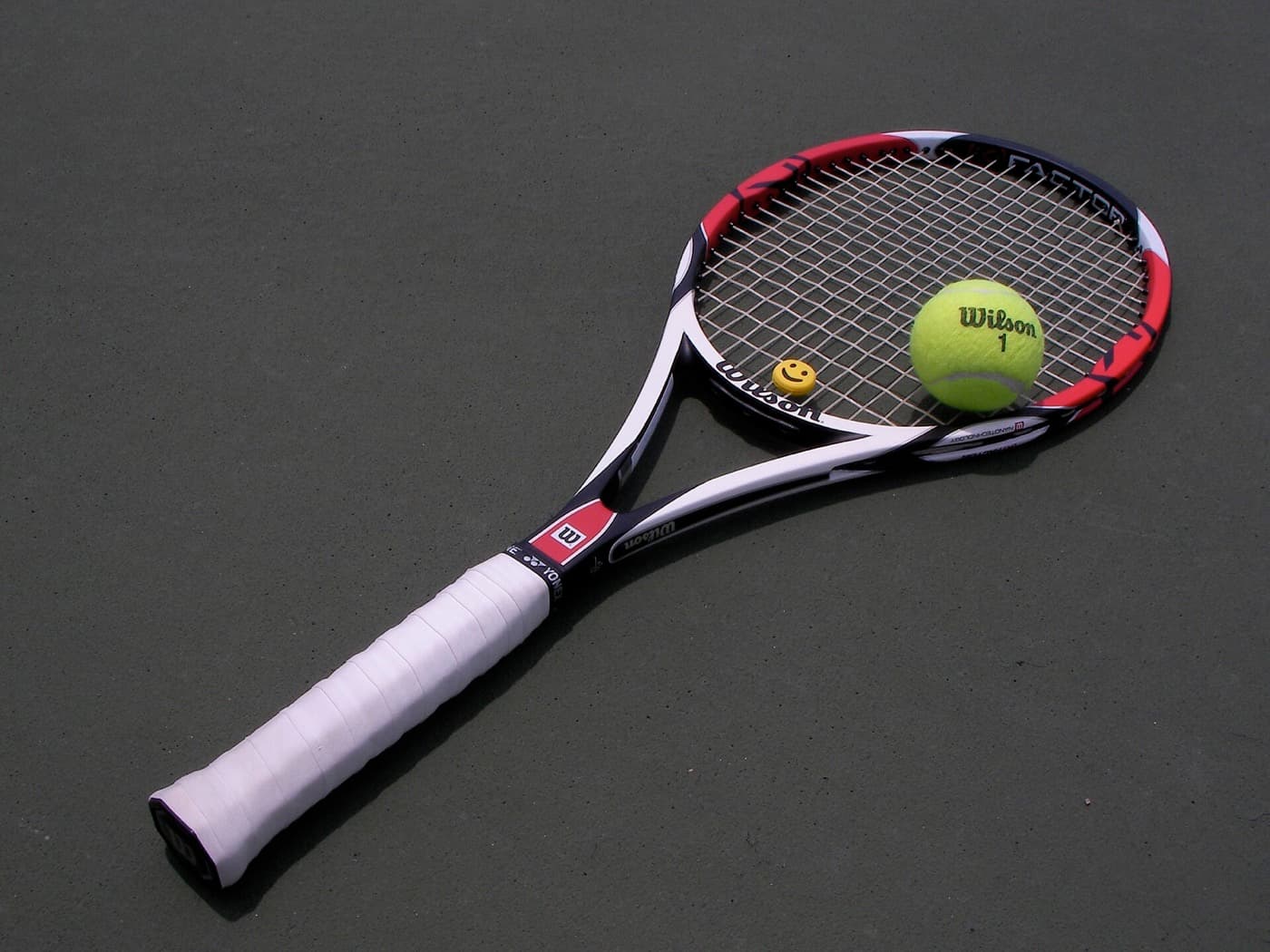
Tennis
A singles or doubles racquet sport that blends agility, strategy and stamina on court.
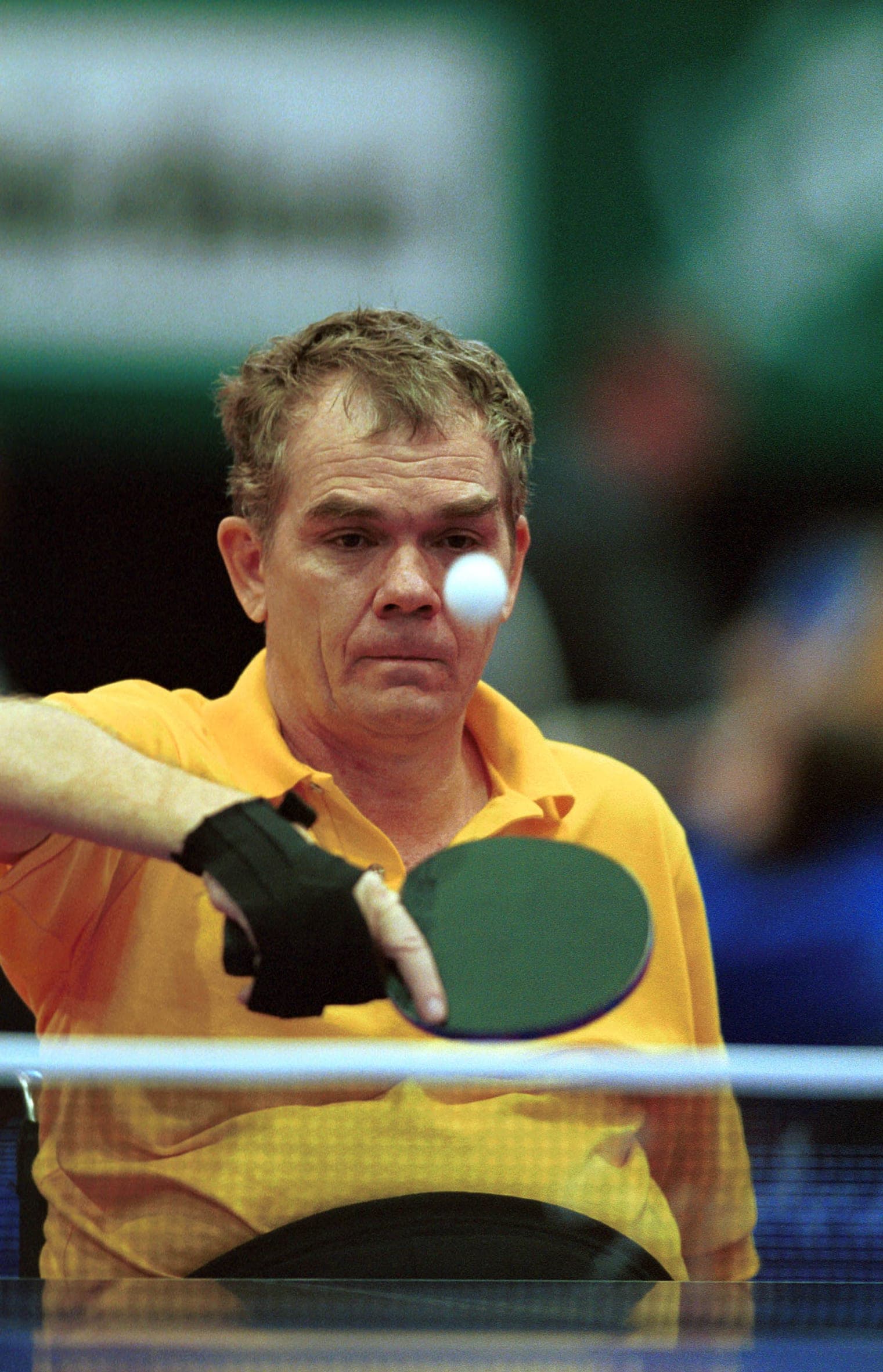
Table Tennis
A fast, low-impact indoor racquet sport that sharpens reflexes and is easy to start.
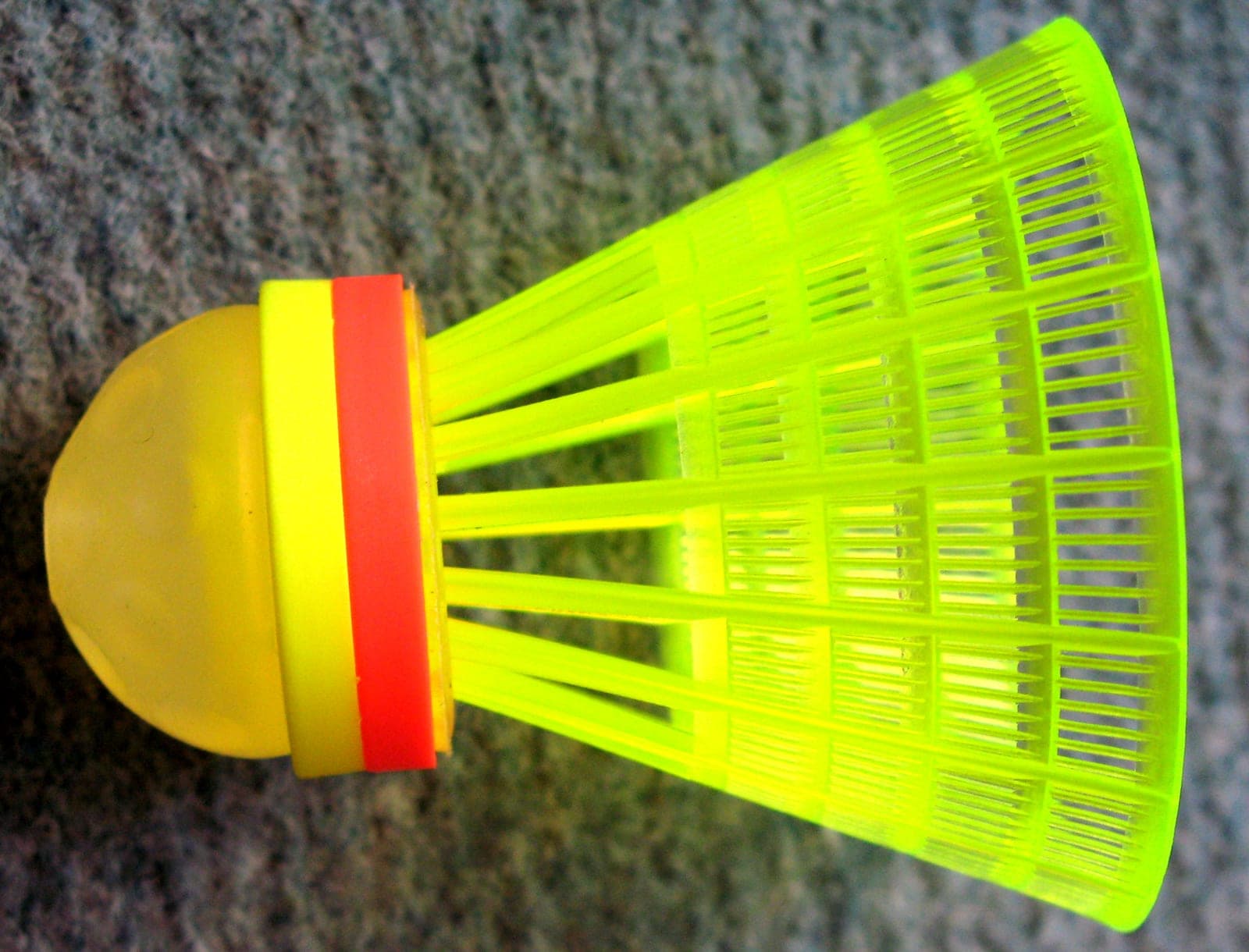
Badminton
A fast indoor racquet sport played with a shuttlecock that rewards agility and touch.
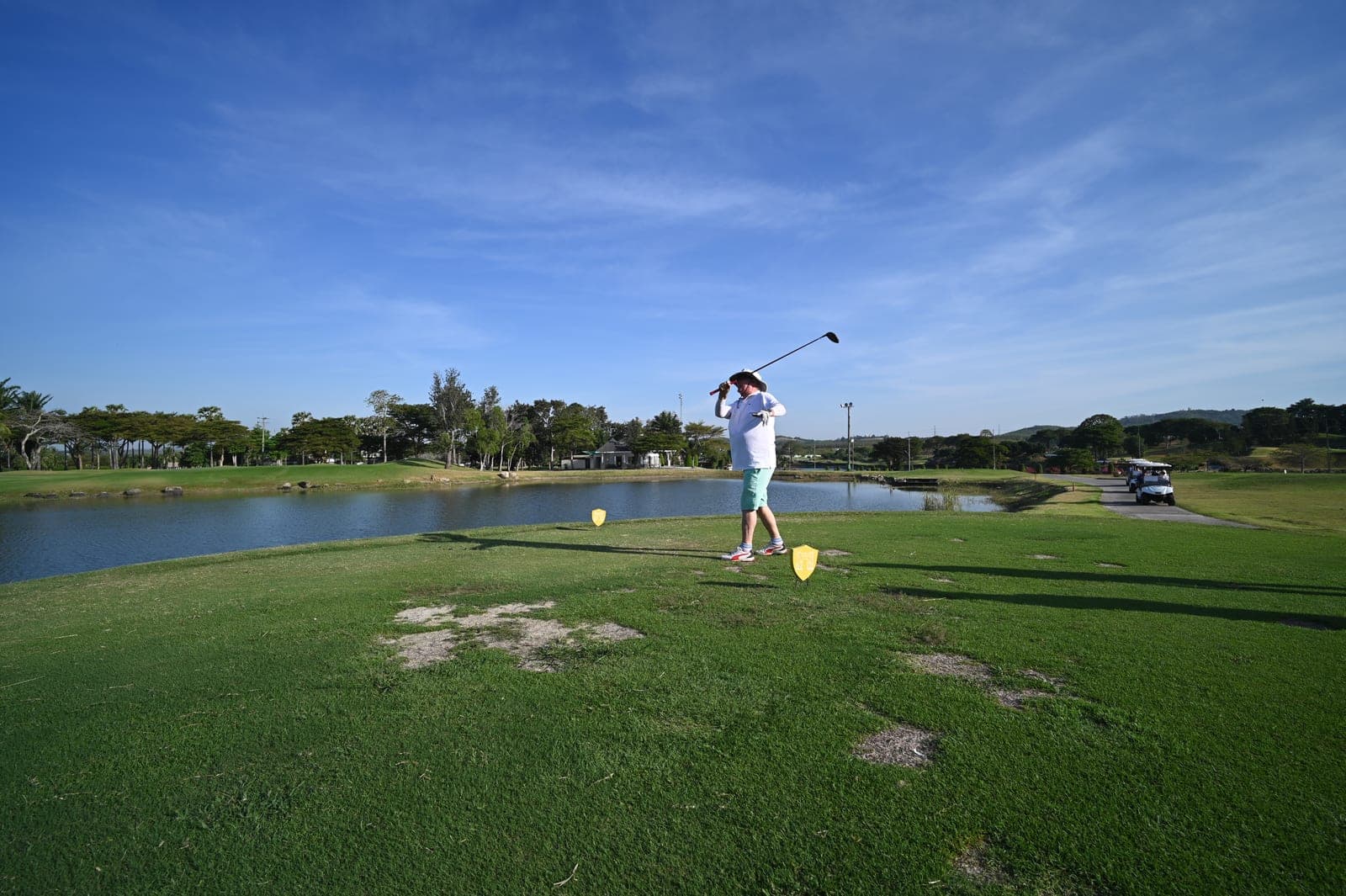
Golf
A precision target sport played across an outdoor course, blending skill, strategy and a long walk in the open air.
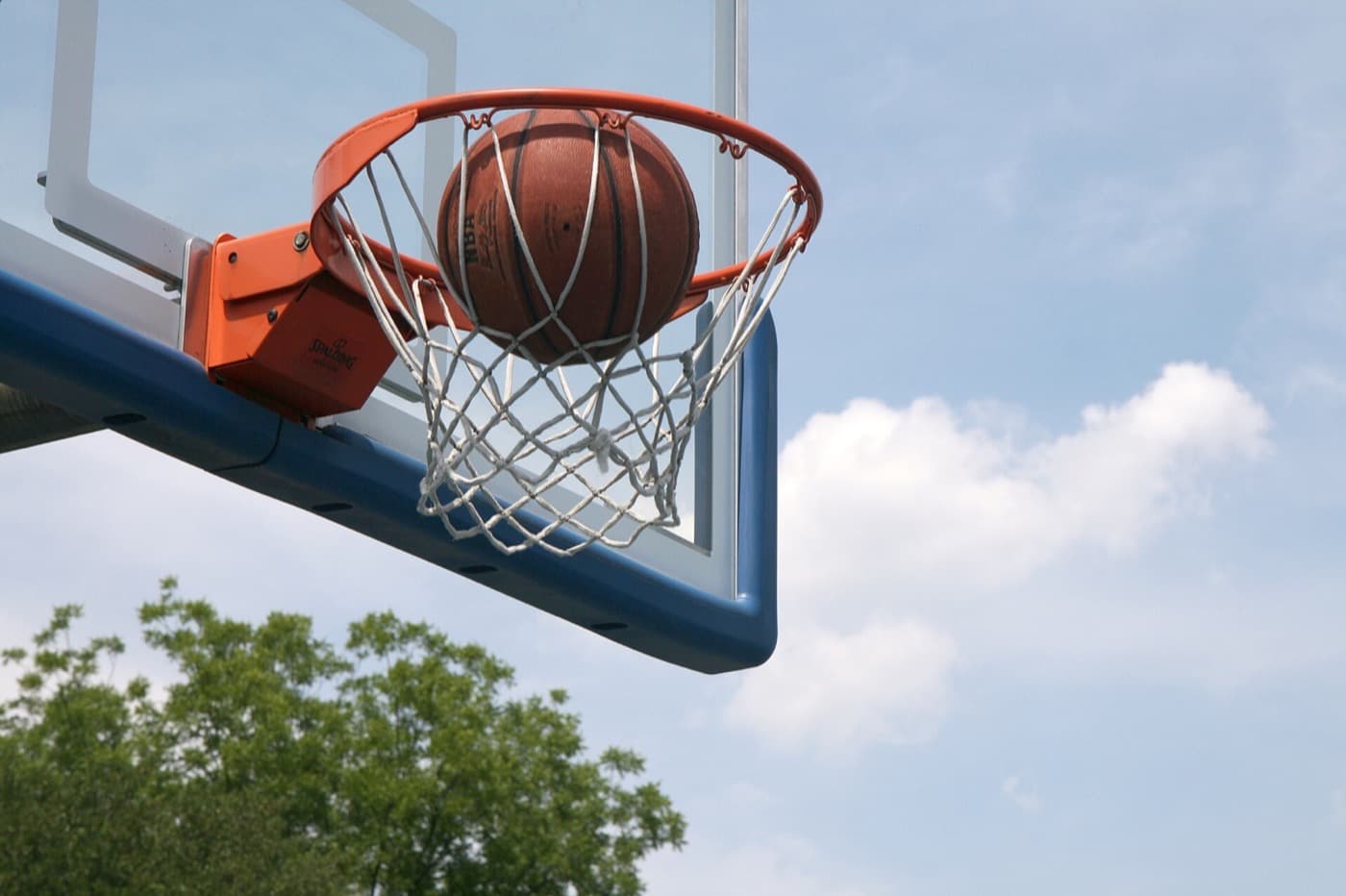
Basketball
A fast, dynamic team sport of running, jumping and quick decisions on court.
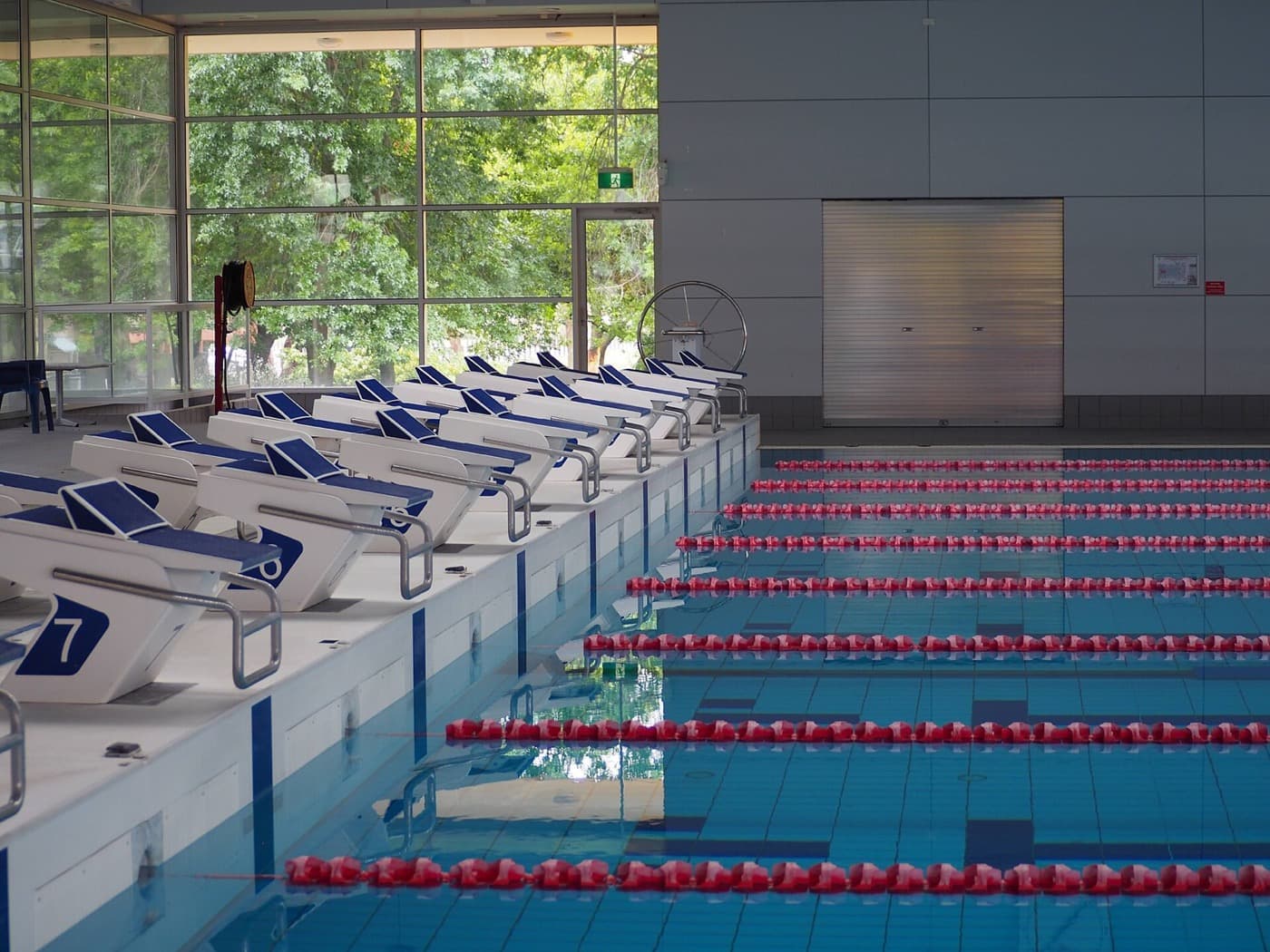
Swimming
A full-body, low-impact endurance sport suitable for almost every age and ability.
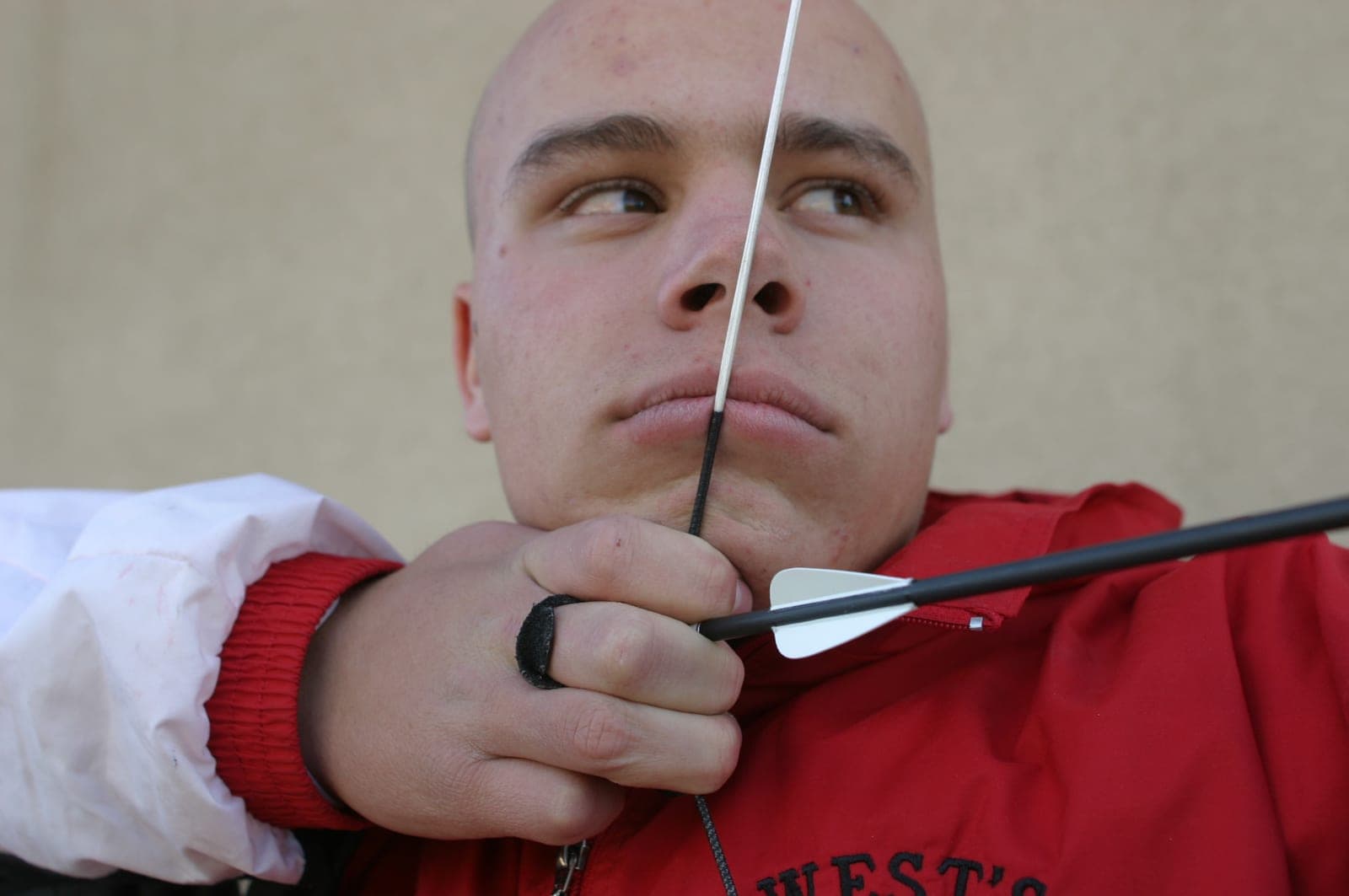
Archery
A precision target sport of drawing a bow and aiming at a target, rewarding focus, control and a steady hand.
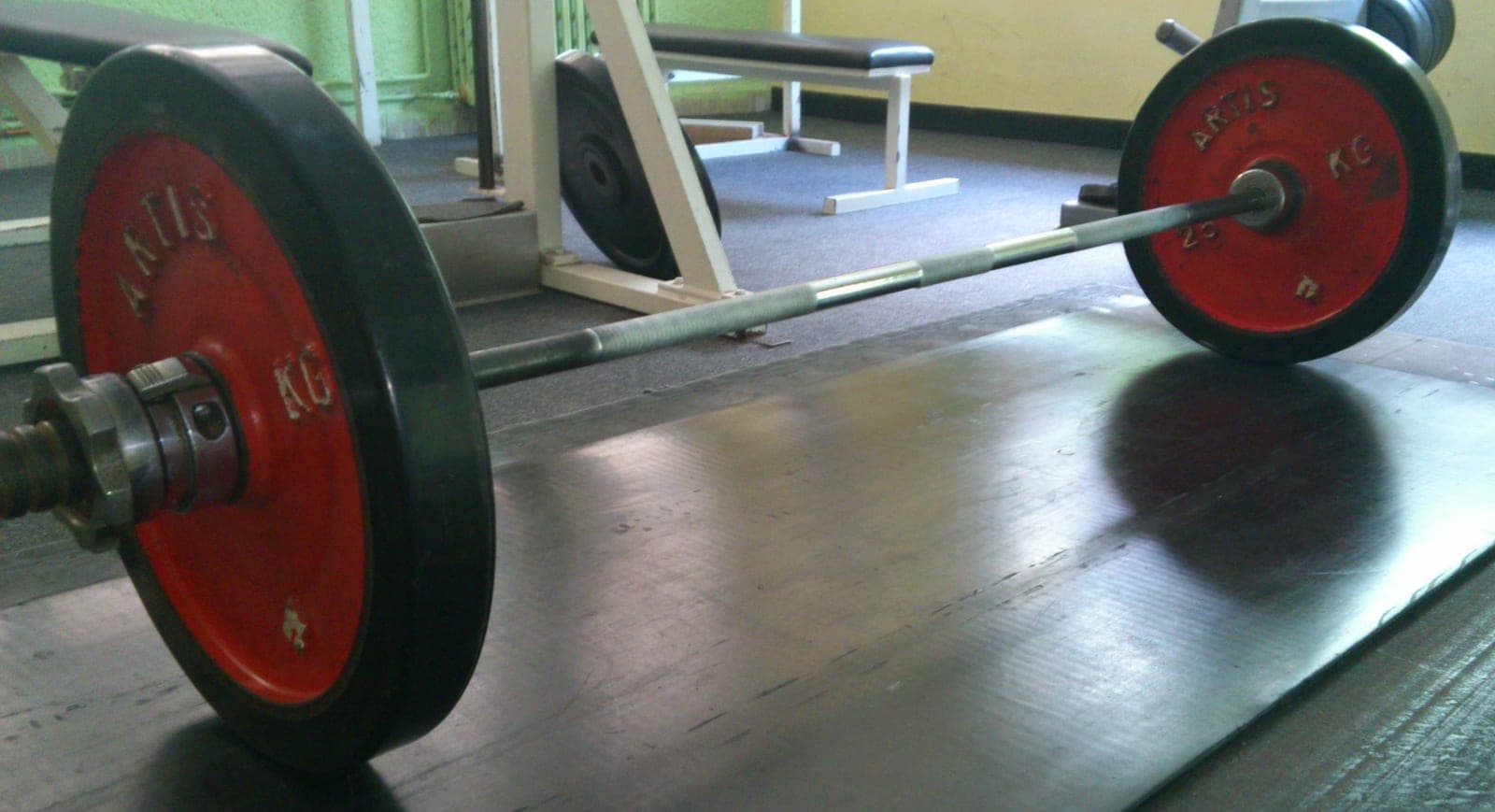
Weightlifting
A technical strength sport built around lifting a loaded barbell overhead with speed and control.
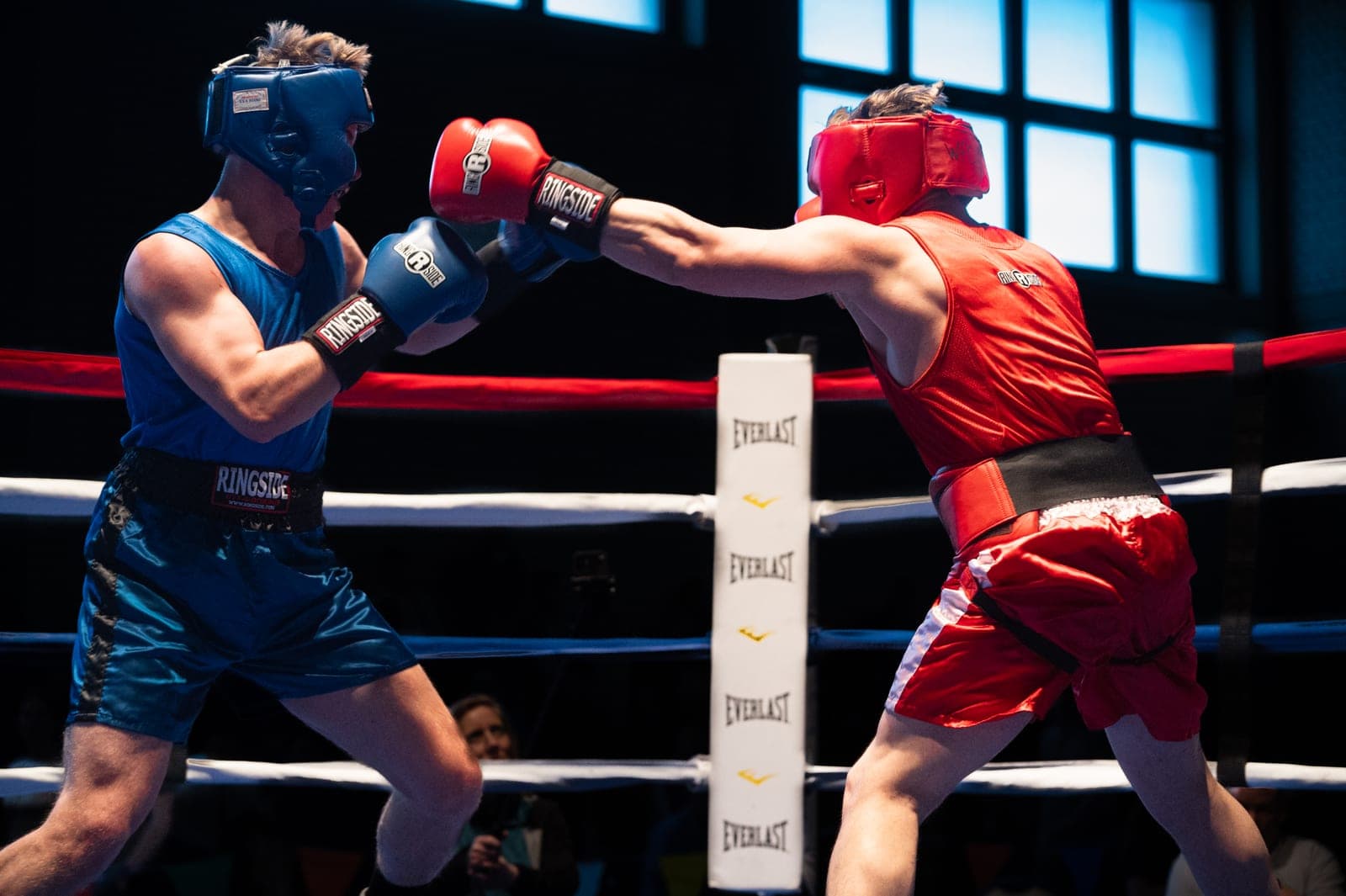
Boxing
A striking combat sport built on footwork, timing and conditioning, practised from fitness drills to controlled sparring.
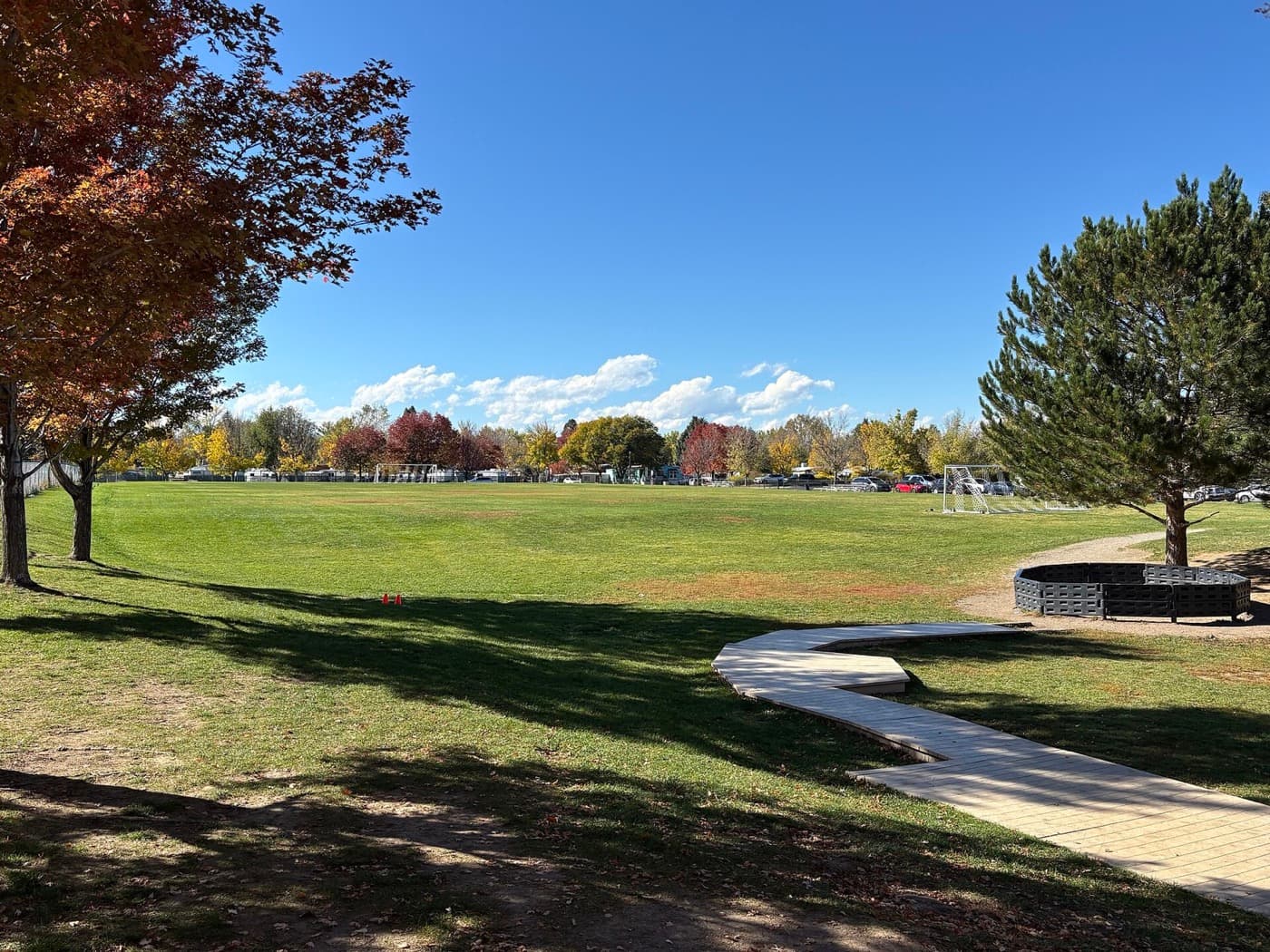
Football
The world’s most popular team sport — endless running, teamwork and community in one game.
Explore across the knowledge base
Follow the threads that connect Repetition Quality to the rest of SocialSportHub.
Skills
- ThrowingThe skill of propelling the ball accurately and with control using the arm.
- ShootingThe skill of striking or releasing the ball toward the goal or basket to score.
- ServingThe skill of putting the ball or shuttle into play to start a point or rally.
- SprintingThe skill of running or riding at maximum controlled speed over a short distance.
Sports science
- Movement efficiencyHow economically the body performs a movement — achieving the goal with the least wasted effort.
- Motor learningThe process by which practice and experience produce lasting improvements in how well a movement skill can be performed.
- The learning curveThe typical pattern in which a new skill improves quickly at first and then more slowly as it develops.
Practice & sessions
- Individual practicePractising on your own — you set the focus, run the drills and work at your own pace, with no partner or coach present.
- Partner practicePractising with one other person — feeding, rallying and drilling together so you both get repetition, a live target and instant feedback.
- Technical sessionA session built around technique — grooving and refining the mechanics of how a movement or shot is executed.
- Skill-development sessionA session built around learning and improving a skill over time — acquiring it, refining it and making it more reliable.
- Open-play sessionA turn-up-and-play session of informal, often social games — less structured than practice, focused on playing rather than drilling.
Movement patterns
- BackpedalControlled backward locomotion performed while facing forward, staying low and pushing off the balls of the feet in short strides to stay reactive and keep play in view.
- CatchReceiving a moving object and securing it under control, absorbing its momentum by yielding along its path so kinetic energy is dissipated rather than rebounded away.
- Change of DirectionA planned redirection of the body from one movement vector to another, requiring an athlete to decelerate existing momentum and reaccelerate along a new line between two known points.
- Crossover StepA lateral or diagonal travelling step in which one leg crosses over the other with accompanying hip and trunk rotation, trading a stable base for greater reach and speed.
- GlideGlide is continuous, low-resistance locomotion in which the body holds a streamlined shape so that momentum generated by a preceding propulsive action carries it smoothly across a surface or through a medium.
Goals
- Improve coordinationSharpen how smoothly your body works together — like tracking and hitting a ball — through skill practice.
- DisciplineBuild consistency, focus and self-discipline through the routines that sport and training encourage.
- Build healthy habitsUsing sport and routine to make regular activity a lasting part of everyday life.
- Improve fitnessBuild well-rounded fitness — stamina, strength and more — through regular, varied activity you can keep up.
- Improve agilityChange direction quickly and under control — the quality behind stopping, turning and accelerating again without losing balance.
Techniques
- Free ThrowAn unguarded basketball shot taken from the free-throw line, relying on a calm, repeatable routine rather than power.
- Tennis ServeThe overhead stroke that starts every point, hit from behind the baseline into the diagonally opposite service box.
- Forward and back defenceThe two strokes a batter survives with — the forward defensive and the back defensive — when each is the right choice, and why a defensive stroke is a decision about length rather than intent.
How this page is maintained
- Content type
- Coaching concept
- Provenance
- Tier A — evergreen educational
- Verified external sources
- 0
- Content updated
- 2026-07-09
Evergreen, first-party explanation — it makes no claim that needs an external source. How we handle sources and reviews.