
Advantage (Rule)
A rule that lets play continue after a foul when stopping would benefit the offending team, rather than immediately awarding a free kick.
Definition
The advantage rule lets the referee allow play to continue after an infringement when the fouled team would be better served by playing on than by stopping for the free kick. If the anticipated advantage does not materialise within a few seconds, the referee can bring play back and award the original foul.
The principle is central to football (soccer), rugby union and league, and field hockey, where officials signal 'play on' to keep an attacking move alive. It is distinct from the tennis scoring term 'advantage,' which denotes the point won immediately after deuce and is a matter of scoring rather than a decision about fouls.
Where you’ll hear “advantage (rule)”
Sports that use this term:

Football
The world’s most popular team sport — endless running, teamwork and community in one game.
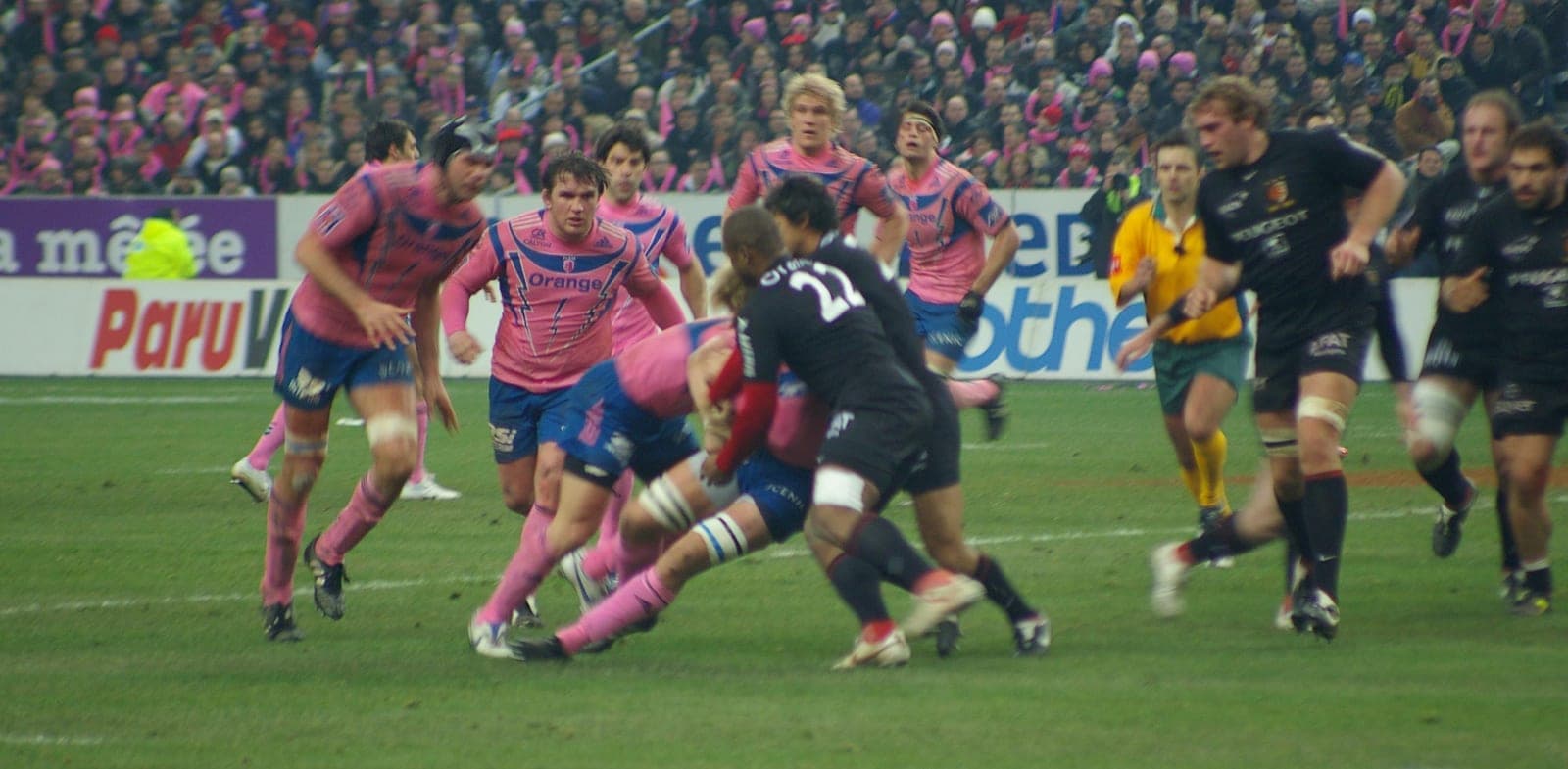
Rugby
A physical team sport of carrying, passing and kicking an oval ball toward the opposing line.

Field Hockey
An outdoor team sport that uses curved sticks to move a ball, built on agility and teamwork.
Explore across the knowledge base
Follow the threads that connect Advantage (Rule) to the rest of SocialSportHub.
Officiating
- AdvantageIn many sports, officials let play continue after a foul when stopping would help the offender, so the fouled team keeps the advantage it has gained.
- Foul callA foul call is an official's ruling that a player broke a rule of contact or conduct, triggering a penalty such as a free kick, free throw or penalty.
Rules
- Direct and indirect free kicksThe two types of free kick awarded in football to restart play after a foul or other stoppage.
- Penalty kick awardA one-on-one kick against the goalkeeper awarded when a defending player commits a direct-free-kick foul inside their own penalty area.
- Personal fouls and free throwsThe basketball rules covering illegal contact and the uncontested shots awarded when a player is fouled.
Go deeper with Advantage (Rule)
Everywhere else on the platform that covers Advantage (Rule) — assembled from what actually references it, so nothing here is a dead end.
Take it away
Open data and the whole-platform view of this subject.
How this page is maintained
- Content type
- Term
- Provenance
- Tier A — evergreen educational
- Verified external sources
- 0
- Content updated
- 2026-09-01
Evergreen, first-party explanation — it makes no claim that needs an external source. How we handle sources and reviews.