
Midfielder
A player who operates in the central area of the pitch, linking the defence and the attack.
Definition
A midfielder plays in the middle third of the pitch and acts as the link between defenders and attackers. In football, futsal and field hockey, midfielders are involved in most phases of play — helping to win the ball back, keeping possession and passing it forward to create chances.
Midfield roles vary: some are more defensive, shielding the back line, while others are more creative or attacking, supporting the forwards. Because they cover so much ground, midfielders usually need good stamina, passing range and an understanding of the team's overall shape.
Where you’ll hear “midfielder”
Sports that use this term:

Football
The world’s most popular team sport — endless running, teamwork and community in one game.
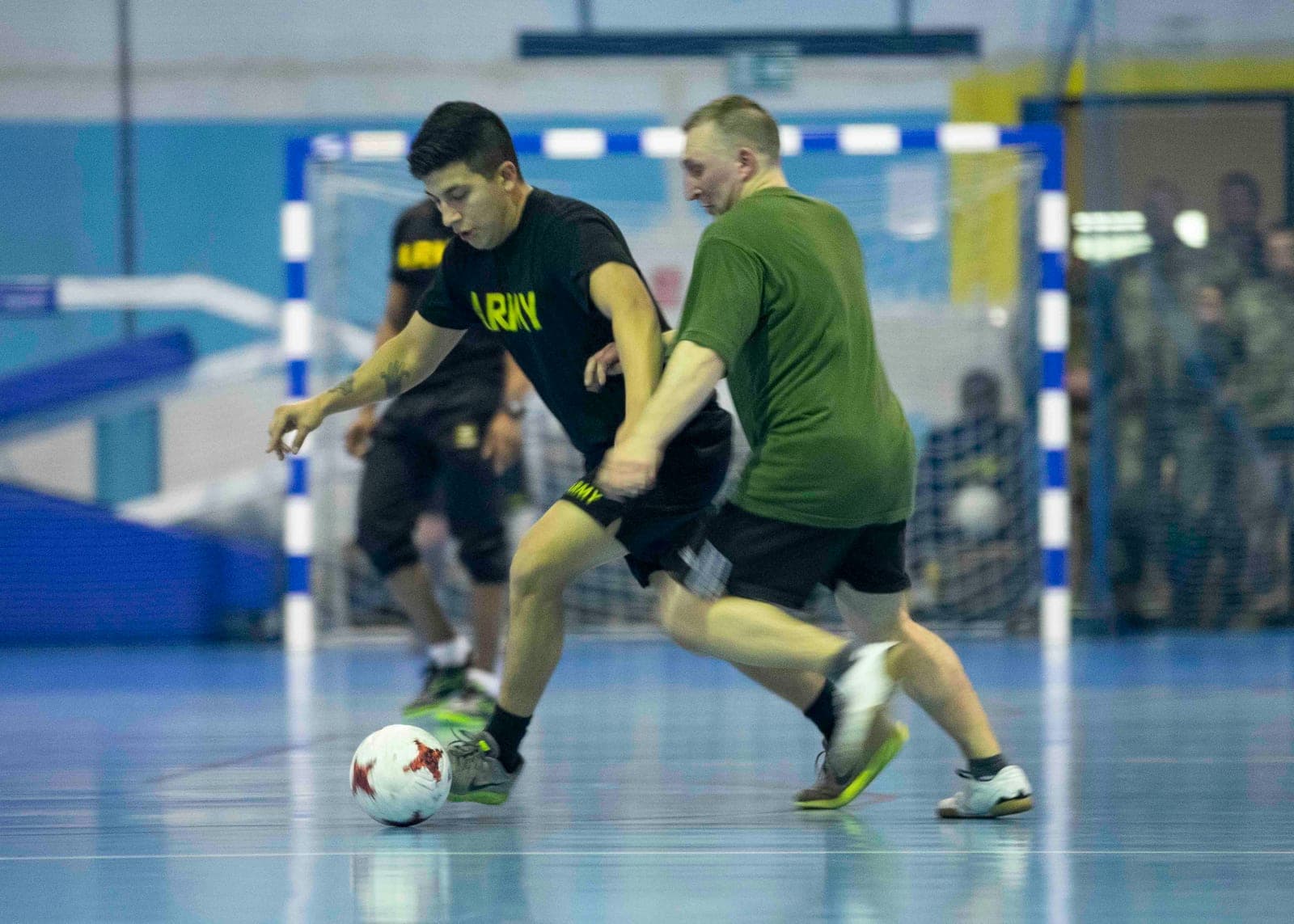
Futsal
A fast, small-sided indoor form of football played on a hard court with a low-bounce ball.
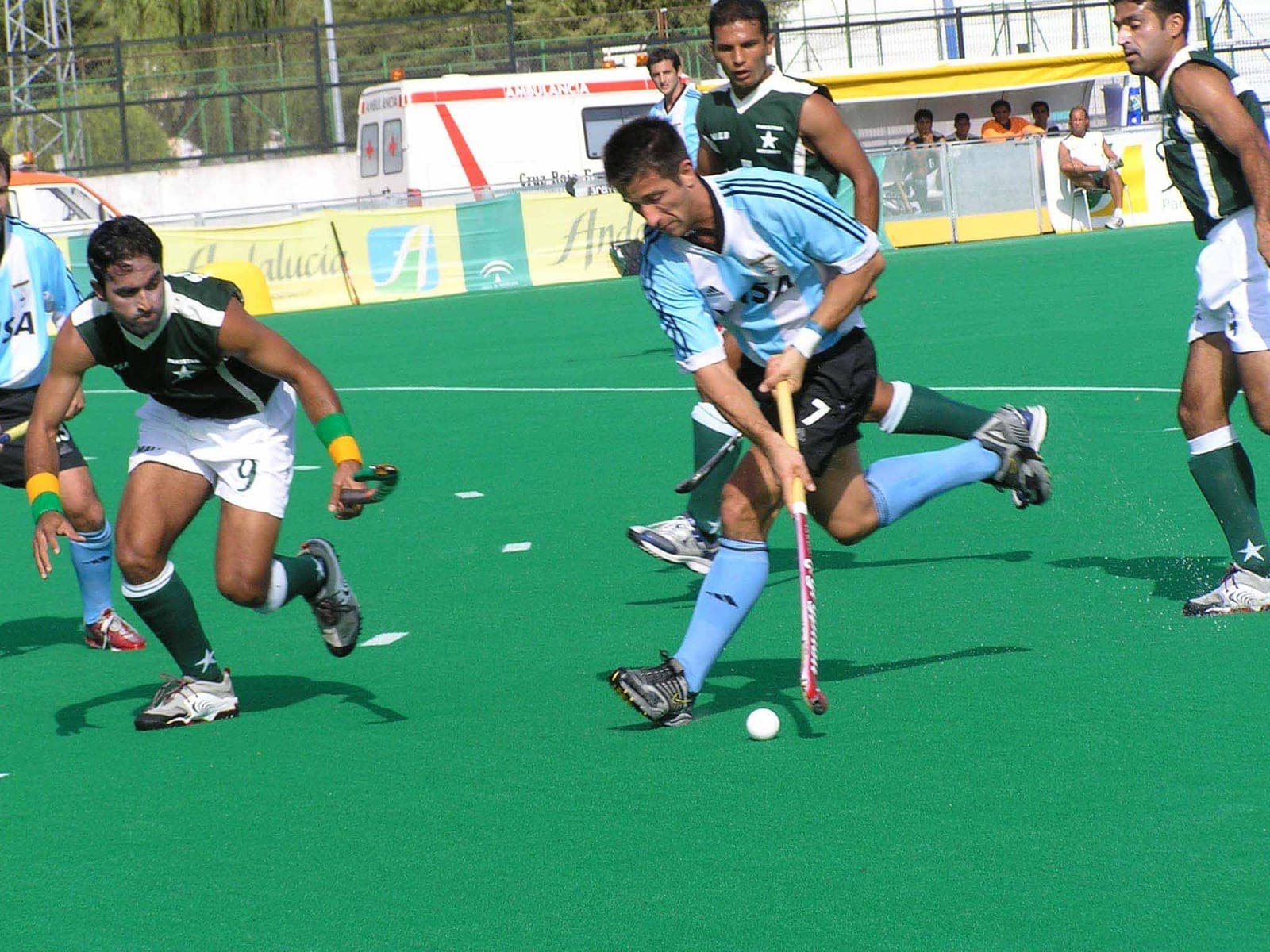
Field Hockey
An outdoor team sport that uses curved sticks to move a ball, built on agility and teamwork.
Explore across the knowledge base
Follow the threads that connect Midfielder to the rest of SocialSportHub.
Skills
Positions
- Defensive midfielderA defensive midfielder sits in front of the defence, breaking up opposition attacks and shielding the back line.
- Central midfielderA central midfielder operates in the middle of the pitch, linking defence and attack while contributing to both.
- WingerA winger is an attacking player who operates in the wide areas of the pitch, using pace and dribbling to beat defenders and create chances.
- GoalkeeperThe goalkeeper is the last line of defence in football and the only player allowed to handle the ball inside their own penalty area.
Player roles
- PlaymakerThe playmaker is a team's creative hub — the player who orchestrates attacks, controls the tempo and distributes the ball so teammates can score.
- All-RounderAn all-rounder is a versatile player who contributes across attack and defence rather than specialising in a single phase, position, or skill.
- AnchorThe anchor is a cross-sport holding role: a steadying, defensive-minded player who shields the back line, screens danger and gives teammates a reliable base.
- Utility playerA dependable, versatile player who can competently fill several different positions as the team needs, rather than specialising in just one.
- Ball-winnerA ball-winner is the player tasked with regaining possession through pressing, tackling and interceptions — a team's tireless defensive workhorse.
Go deeper with Midfielder
Everywhere else on the platform that covers Midfielder — assembled from what actually references it, so nothing here is a dead end.
Take it away
Open data and the whole-platform view of this subject.
How this page is maintained
- Content type
- Term
- Provenance
- Tier A — evergreen educational
- Verified external sources
- 0
- Content updated
- 2026-09-01
Evergreen, first-party explanation — it makes no claim that needs an external source. How we handle sources and reviews.