
Power
Producing force quickly — strength expressed at speed, as in a jump or a sprint start.
Overview
Power is the combination of strength and speed: how much force you can produce in a short burst. It is behind explosive actions like jumping, throwing, sprinting and striking.
Power is built on a base of strength, then trained with fast, controlled movements.
Why it matters
- Drives explosive actions in most sports
- Helps with quick, reactive everyday movements
- Closely tied to sprinting and jumping ability
How to train it
- Establish a base of general strength first
- Add fast, controlled movements such as gentle jumps and throws as you progress
- Prioritise good technique and full recovery — quality over quantity
The overload–adaptation cycle
Why training makes you fitter
- 1Overload — apply a stress a little beyond the current comfortable level
- 2Fatigue — the effort temporarily reduces performance
- 3Recover — with rest and fuel, the body repairs
- 4Adapt — capacity rises slightly — then repeat at a new level
The three energy systems
From brief bursts to sustained effort
- 1
Phosphagen (ATP-PC)
Powers brief, maximal efforts — the most immediate and powerful, but very short-lived.
- 2
Glycolytic
Fuels short, hard efforts and takes over as maximal efforts extend.
- 3
Aerobic
Uses oxygen to sustain prolonged, lower-intensity activity and drives recovery.
Sports that build power
These sports are especially good for developing this quality.
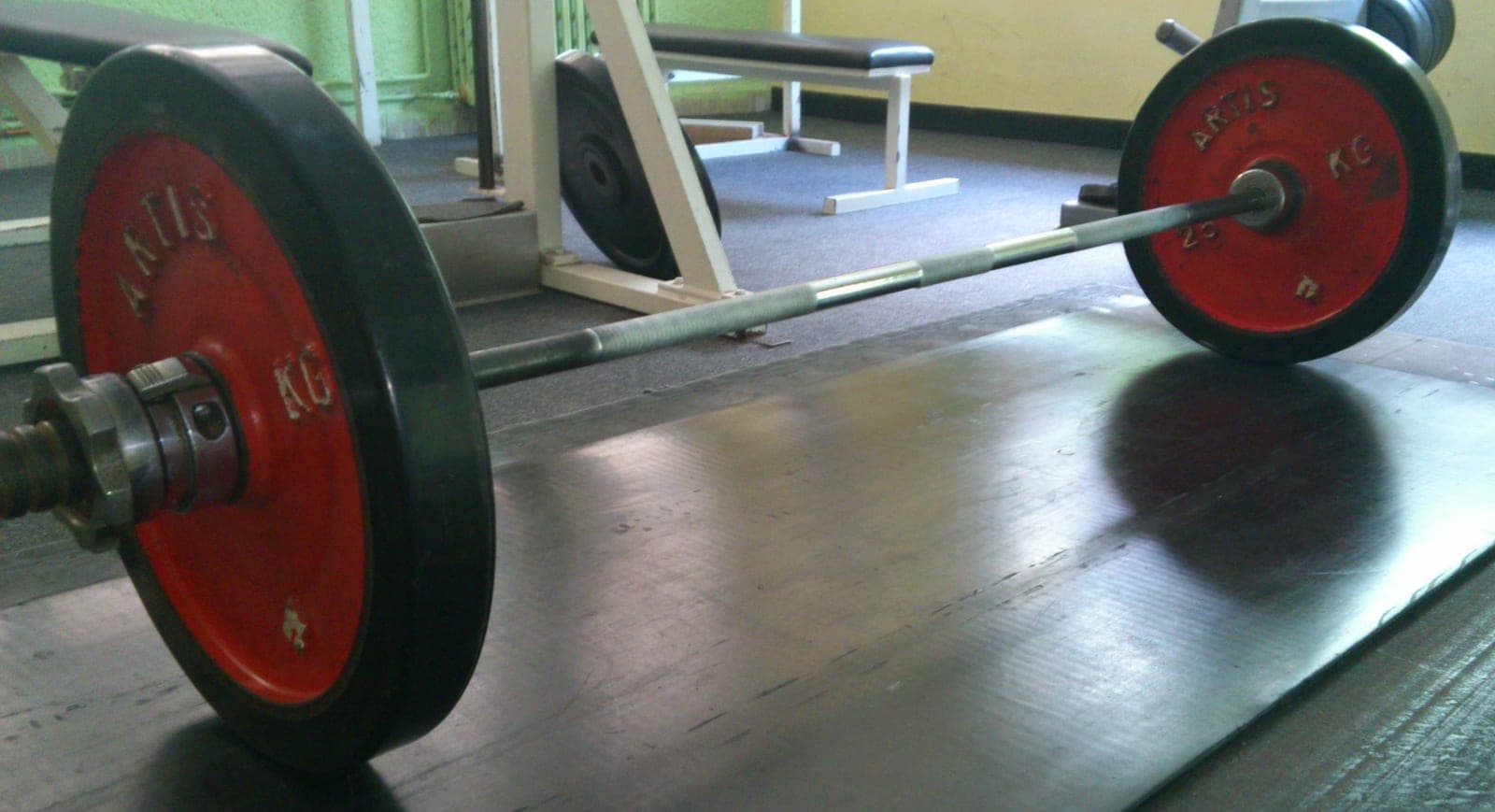
Weightlifting
A technical strength sport built around lifting a loaded barbell overhead with speed and control.

Basketball
A fast, dynamic team sport of running, jumping and quick decisions on court.
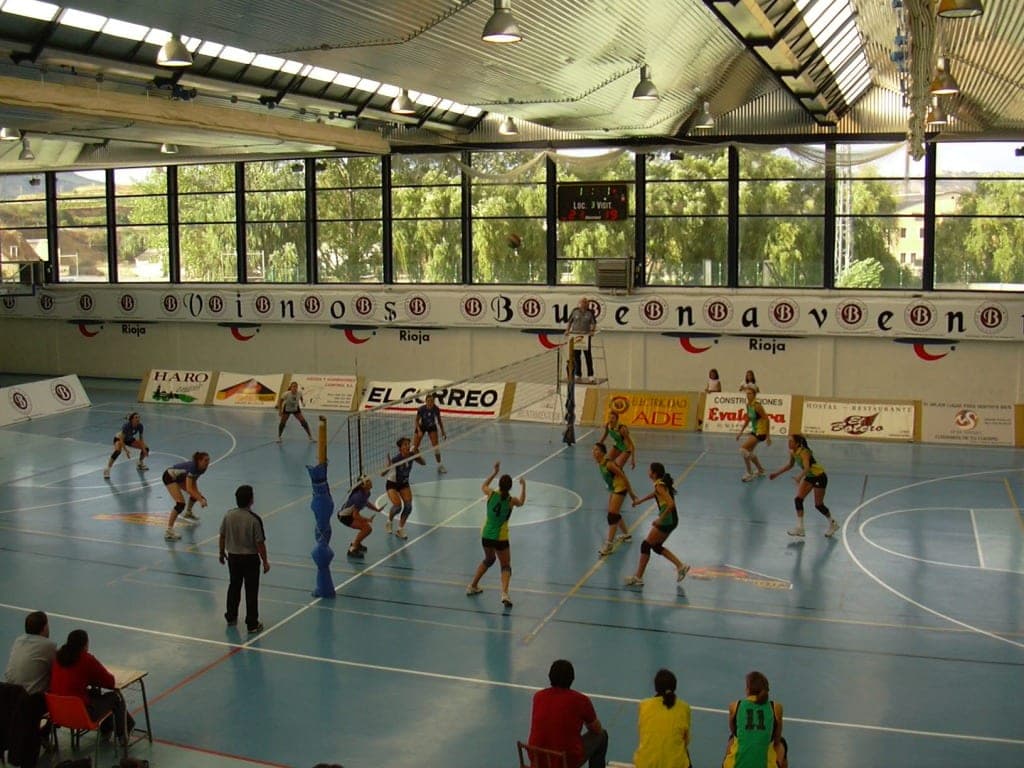
Volleyball
A non-contact team sport of rallies, jumps and teamwork — indoors or on the beach.

Boxing
A striking combat sport built on footwork, timing and conditioning, practised from fitness drills to controlled sparring.

Running
The most accessible endurance sport — no venue, just shoes and the open road or trail.
Train it: exercises & methods
Ways to develop power — educational, not a prescription.
Jump squat
An explosive squat variation where you spring off the floor at the top of the movement.
Deadlift
A hinge movement where you lift a weight from the floor by driving your hips forward to stand tall.
Hip thrust
A loaded hip-extension exercise with your upper back on a bench and a weight across the hips.
Kettlebell swing
A dynamic hinge where you swing a kettlebell to shoulder height using a snap of the hips.
Bench press
A pressing exercise lying on a bench, lowering a weight to the chest and pushing it back up.
Overhead press
A standing press that drives a weight from the shoulders to overhead until the arms lock out.
How it connects
The meaning-bearing relationships that place Power in the wider knowledge graph — each one with the reason it exists.
Frequently learned together
Taught side by side in the same stage of a learning path.
Explore across the knowledge base
Follow the threads that connect Power to the rest of SocialSportHub.
Goals
Disciplines
- ButterflyButterfly is swum with a simultaneous over-water arm recovery and an undulating dolphin kick — the most physically demanding stroke, built on rhythm and core-driven body movement.
- Individual medleyThe individual medley (IM) combines all four strokes in a set order — butterfly, backstroke, breaststroke, then freestyle — testing all-round swimming across a single event.
- KataKata is the solo karate discipline of performing set sequences of blocks, strikes, kicks, and stances against imagined opponents.
- KumiteKumite is the sparring discipline of karate, in which two athletes exchange controlled strikes and kicks under judged rules.
- Freestyle WrestlingAn Olympic wrestling style where wrestlers may attack the legs and use holds below the waist to take down and pin their opponent.
Movement patterns
- PullDrawing a load or your own body toward the torso — horizontal rows and vertical pull-ups — building the lats, mid-back and biceps and balancing the push.
- JumpThe plyometric pattern of projecting the body off the ground through explosive triple extension and controlling the landing — the core expression of lower-body power.
- SquatA knee-dominant pattern: bending the hips, knees and ankles to lower and rise while keeping the torso upright — the foundation of lower-body strength.
- PushPressing a load or the body away from the torso — horizontally or overhead — by extending the shoulders and elbows, developing the chest, shoulders and triceps.
- HingeA hip-dominant pattern: bend forward at the hips with a flat back, minimal knee bend, then drive the hips tall — powers pulling from the floor and jumping.
Sports science
- BiomechanicsThe study of how the body produces and controls movement — the mechanics behind every technique in sport.
- The kinetic chainThe idea that the body’s segments work as a linked chain, passing force from the ground up through the hips, trunk and limbs.
- Force and powerThe difference between how much force the body can produce and how quickly it can produce it — the mechanics behind strength and explosiveness.
- Energy systemsHow the body supplies energy for movement — the different pathways that power everything from an explosive jump to a long, steady run.
- Aerobic and anaerobic energyThe difference between energy the body produces with oxygen and energy it produces without it — a core idea behind why different efforts feel and last so differently.
Go deeper with Power
Everywhere else on the platform that covers Power — assembled from what actually references it, so nothing here is a dead end.
Learn it
Structured courses and paths on the platform that cover this directly.
Work it out
Deterministic calculators — real published formulas, no estimates dressed as data.
Compare it
Head-to-head studies against the entities people actually weigh it against.
Take it away
Open data and the whole-platform view of this subject.
How this page is maintained
- Content type
- Physical quality
- Provenance
- Tier A — evergreen educational
- Verified external sources
- 0
- Content updated
- 2026-09-01
Evergreen, first-party explanation — it makes no claim that needs an external source. How we handle sources and reviews.