
Triceps
The muscles on the back of the upper arm that straighten the elbow in every pushing movement.
Overview
The triceps — triceps brachii — run along the back of the upper arm from the shoulder blade and upper arm bone down to the elbow. The name means "three heads", for its three upper attachments, and it makes up much of the arm’s bulk.
Its main action is straightening, or extending, the elbow — the movement behind pushing, pressing and throwing. It is the counterpart to the biceps on the front of the arm.
Good to know
- The main muscle behind pushing and pressing actions
- Makes up the larger share of the upper arm
- Works with the chest and shoulders in pushing movements
Where it’s used
Sports this relates to:
Calisthenics
Bodyweight strength training — push-ups, pull-ups, dips and progressions you can do almost anywhere.
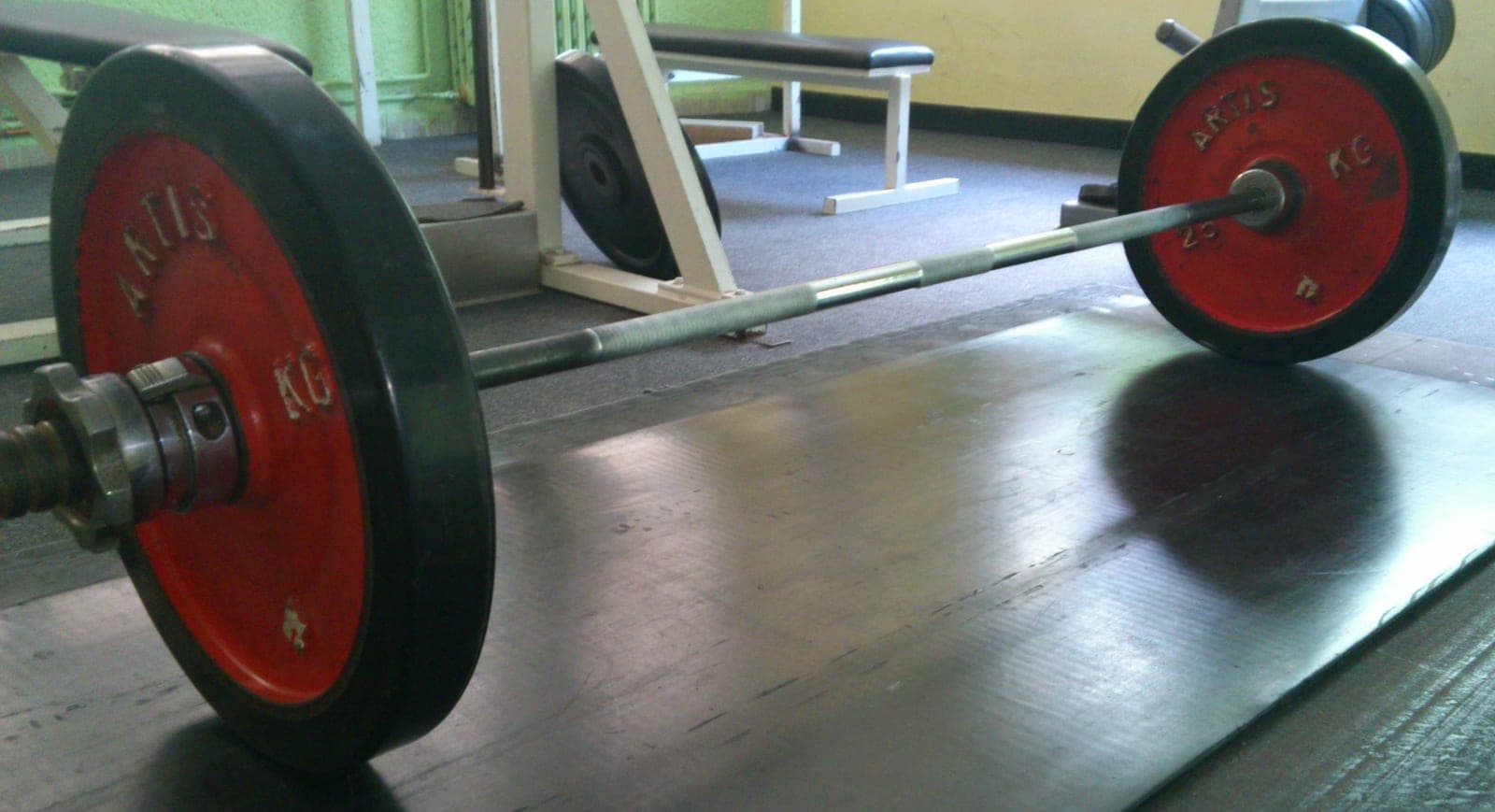
Weightlifting
A technical strength sport built around lifting a loaded barbell overhead with speed and control.

Boxing
A striking combat sport built on footwork, timing and conditioning, practised from fitness drills to controlled sparring.
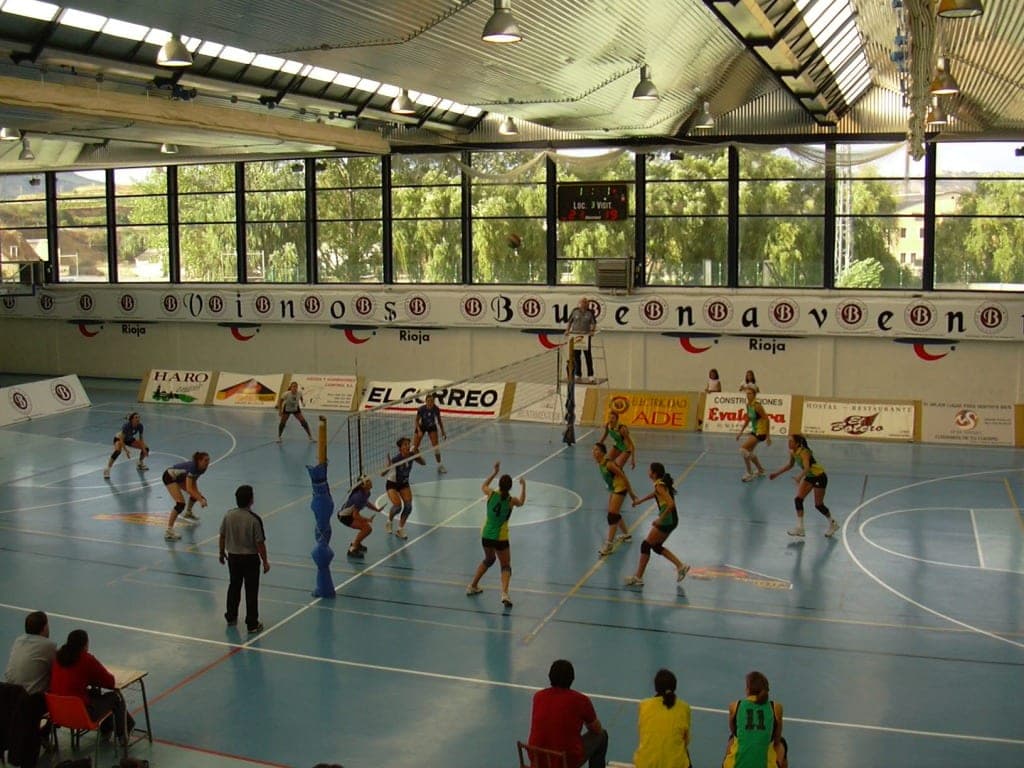
Volleyball
A non-contact team sport of rallies, jumps and teamwork — indoors or on the beach.
Exercises that work the triceps
Push-up
A classic upper-body pushing exercise where you lower and press your body up from the floor.
Pike push-up
A push-up variation with hips high that shifts the emphasis onto the shoulders.
Bench press
A pressing exercise lying on a bench, lowering a weight to the chest and pushing it back up.
Overhead press
A standing press that drives a weight from the shoulders to overhead until the arms lock out.
Tricep dip
A pushing exercise where you lower and raise your body using your arms on parallel bars or a bench.
Explore across the knowledge base
Follow the threads that connect Triceps to the rest of SocialSportHub.
Movement patterns
- PushPressing a load or the body away from the torso — horizontally or overhead — by extending the shoulders and elbows, developing the chest, shoulders and triceps.
- ReachExtending a limb toward a distant point or object, often at full stretch, by projecting a distal segment beyond the body's resting envelope while a stabilised base preserves balance and control.
- StrikeA ballistic, whole-body hitting action that channels ground-generated force through a proximal-to-distal kinetic chain to deliver momentum to a target via the hand, an implement or a body part at the moment of contact.
- ThrowPropelling an object by releasing it from the hand, driven by a proximal-to-distal kinetic-chain sequence that summates speed from the legs through the trunk and arm to the release point.
- LungeA split-stance, single-leg-emphasis pattern: stepping or dropping into a staggered stance and pushing back up to build single-leg strength, balance and stability.
Go deeper with Triceps
Everywhere else on the platform that covers Triceps — assembled from what actually references it, so nothing here is a dead end.
Take it away
Open data and the whole-platform view of this subject.
How this page is maintained
- Content type
- Muscle group
- Provenance
- Tier A — evergreen educational
- Verified external sources
- 0
- Content updated
- 2026-07-06
Evergreen, first-party explanation — it makes no claim that needs an external source. How we handle sources and reviews.