
Learn Netball
A clear, structured way to learn netball — what to focus on first, and how it all fits together. Self-paced and educational.
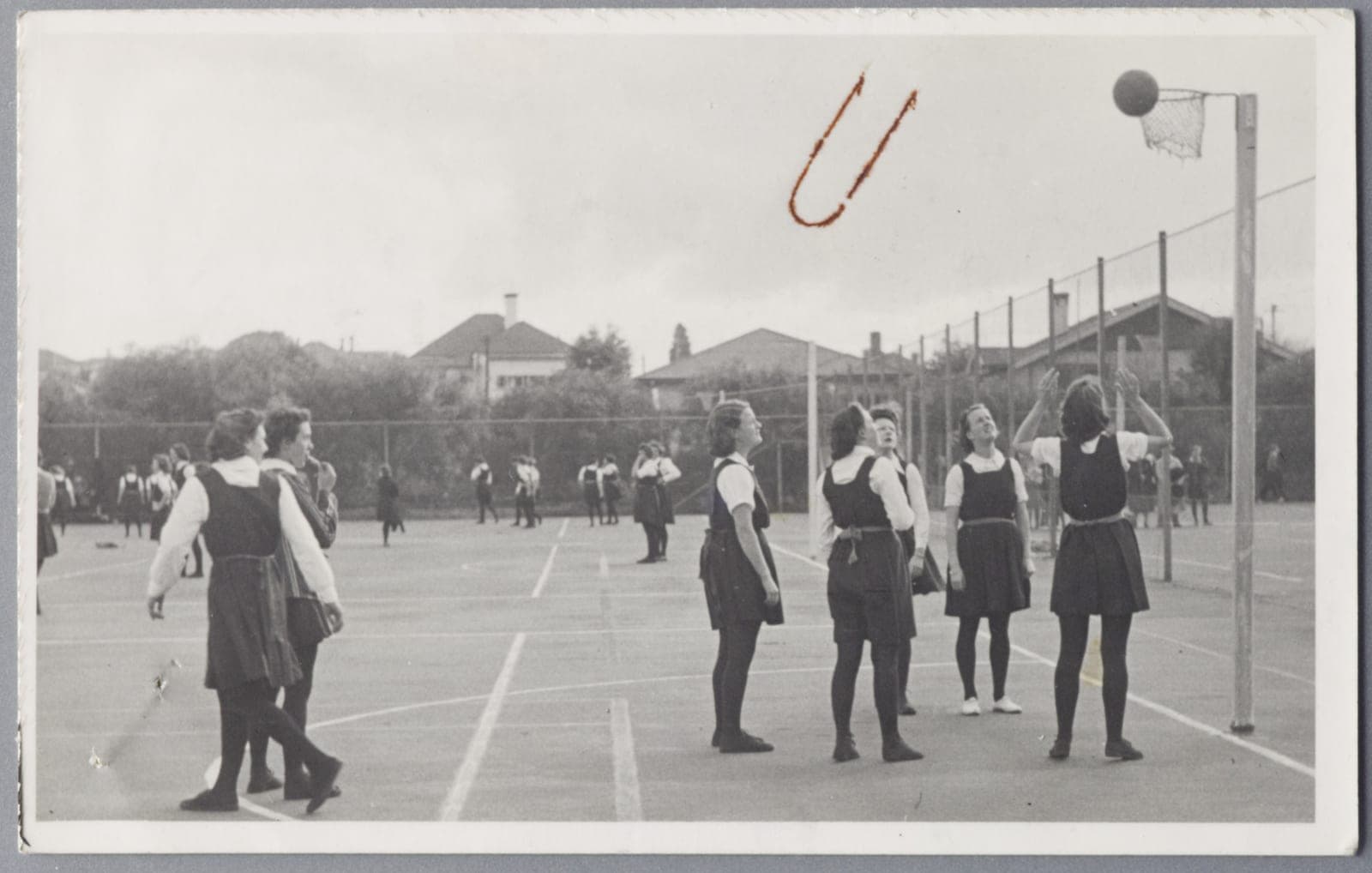

Netball is a non-contact team sport played on a court, in which players pass a ball between set positions to work it into a scoring area and shoot at a high ring. Players cannot run with the ball, so quick passing and clever movement are everything.
This path walks through the sport in a sensible order — from understanding the game to training for it. Work through it at your own pace; every step links to a clear guide.
What you’ll need
The essential equipment, and the kind of place you’ll play. Most sports need far less to get started than people expect.
Milestone: You know what equipment you need to start and the kind of place the sport is played.
Learn the core skills
The fundamental skills the sport is built on. These are what to practise first — everything else builds on them.
Milestone: You can name the core skills and know which ones to practise first.
Build your technique
How specific movements and shots are performed. Learn these once the basics feel comfortable, one at a time.
Milestone: You understand how the key techniques are performed and when they are used.
Understand tactics & strategy
How the game is actually played and thought about — the tactics and bigger-picture strategy that turn skills into a game.
Milestone: You can follow how the game is played tactically, not just physically.
Find your position or role
Where you fit in — the positions and roles players take on, and what each one does.
Milestone: You know the positions or roles and what each one is responsible for.
Keep getting better
How improvement actually happens — the practice principles and the science beneath them apply to every sport.
Milestone: You understand how improvement actually happens and where to go deeper.
Where the path leads next
Once the fundamentals feel comfortable, these are the natural next steps — all educational, all self-paced.
Try it for real
Learn more deeply
The wider picture
A structured guide, not a coaching programme
More sports to learn
Explore across the knowledge base
Follow the threads that connect Learn Netball to the rest of SocialSportHub.
Glossary
- Tiki-takaA possession-based football style built on short, quick passing and constant movement to keep and control the ball.
- Follow-throughThe continuation of a striking, throwing, or kicking motion after contact, which shapes power, accuracy, and spin.
- Non-Verbal CueInformation passed between teammates or from a coach without words — through body language, positioning, eye contact or gestures.
- First touchA player's initial contact with a received ball, and the skill of using that contact to control and position it for the next action.
- Counter-attackA quick attacking move made immediately after winning the ball back, aiming to catch the opposition out of position.
Skills Academy
- Ball-sport skillsThe skills that recur across ball games — control, passing, dribbling, shooting and defending.
- Team-play skillsThe skills that make a team work — combining, covering and communicating through the ball.
- Precision skillsSkills where accuracy is everything — placing a serve, a shot, a pass or a set exactly where you want it.
- Object-control skillsHandling a ball or implement — controlling, receiving, passing and moving it with intent.
Sports communication
- Non-verbal communicationSharing information without words — through body language, eye contact, gestures and agreed hand signals — often faster or quieter than a call.
- Signalling availabilityShowing a teammate you are open and ready to receive — often through movement, body position or a gesture rather than a shout.
- Captain communicationHow a team's designated captain relays decisions, sets a tone and — in many sports — acts as the recognised point of contact with officials.
How this page is maintained
- Content type
- Learning path
- Provenance
- Tier A — evergreen educational
- Verified external sources
- 0
- Content updated
- 2026-09-12
Evergreen, first-party explanation — it makes no claim that needs an external source. How we handle sources and reviews.
Ready to start netball?
Follow the path, or jump straight into the full sport guide whenever you like.