
Deadlift
A hinge movement where you lift a weight from the floor by driving your hips forward to stand tall.
Overview
The deadlift is a hip-hinge movement in which you lift a loaded barbell (or dumbbells or a kettlebell) from the floor to a standing position. The motion is driven by the hips moving backward and then forward, rather than by squatting down, so the back stays long and braced throughout.
It is a whole-body exercise that involves the muscles along the back of the body, from the hamstrings and glutes up through the back, along with a strong grip. Learning the hinge pattern first — with light or no load — is the usual starting point.
The movement
- 1Stand with the weight over your mid-foot and grip it with hands just outside your legs.
- 2Set your hips back and chest up so your back is long and braced.
- 3Drive your feet into the floor and push your hips forward to stand tall.
- 4Return the weight by hinging your hips back and lowering it with control.
Beginner notes
- Learning the hip-hinge pattern first, with light or no load, is a common starting point.
- The bar or weight stays close to the body as it travels up and down.
- The back stays long and braced rather than rounding.
A note on training information
Where it’s used
Sports this relates to:
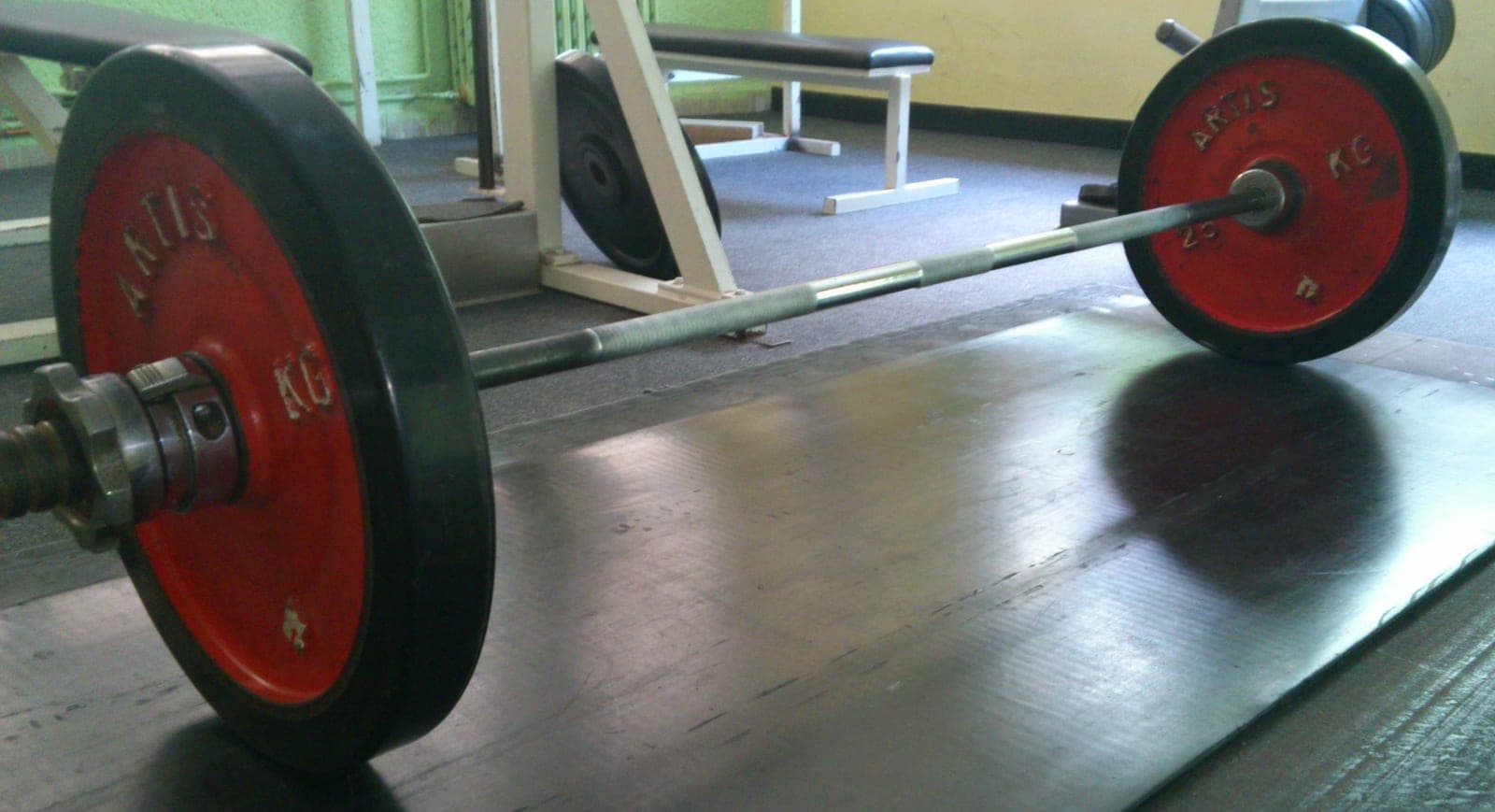
Weightlifting
A technical strength sport built around lifting a loaded barbell overhead with speed and control.
Powerlifting
A strength sport focused on lifting the heaviest weight you can across the squat, bench press and deadlift.
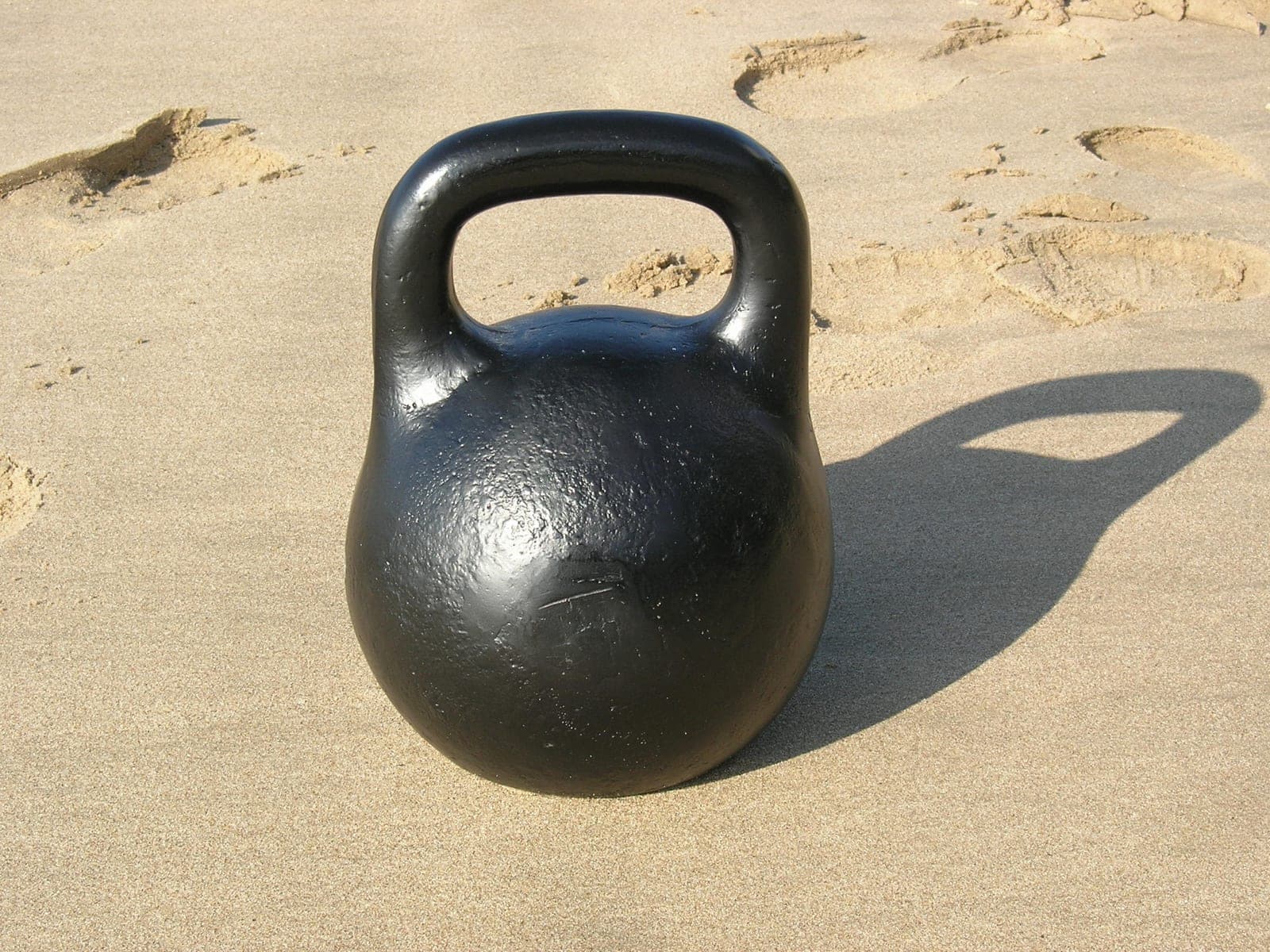
Functional Fitness
Varied, whole-body training built around everyday movement patterns like squatting, lifting and carrying.
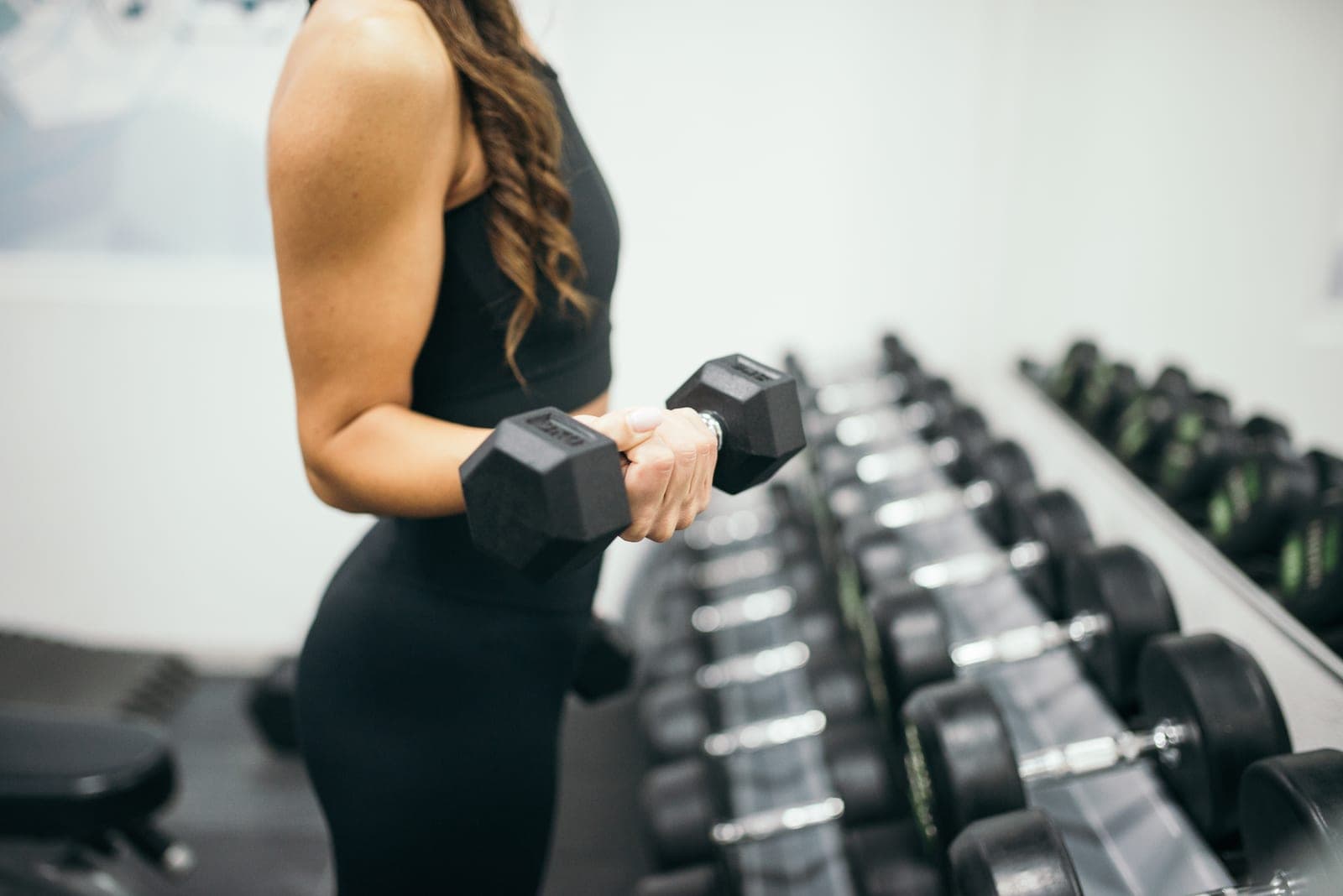
Fitness
Strength and general fitness training — the foundation that supports every other sport.
Related exercises
Squat
A foundational lower-body movement where you bend at the hips and knees to lower down and stand back up.
Goblet squat
A squat variation where you hold a single weight close to your chest for balance and control.
Jump squat
An explosive squat variation where you spring off the floor at the top of the movement.
Explore across the knowledge base
Follow the threads that connect Deadlift to the rest of SocialSportHub.
Movement patterns
- HingeA hip-dominant pattern: bend forward at the hips with a flat back, minimal knee bend, then drive the hips tall — powers pulling from the floor and jumping.
- SquatA knee-dominant pattern: bending the hips, knees and ankles to lower and rise while keeping the torso upright — the foundation of lower-body strength.
- LungeA split-stance, single-leg-emphasis pattern: stepping or dropping into a staggered stance and pushing back up to build single-leg strength, balance and stability.
Coaching concepts
- Repetition QualityThe attention and intent behind each repetition matter more than raw volume — focused, well-executed reps build skill faster than mindless numbers.
- Feedback and CueingFeedback from your senses, a coach, or video plus short instructional cues guide skill learning — including internal vs external focus of attention.
- Skill acquisitionHow a movement or sports skill is learned — progressing from conscious, effortful control to smooth, largely automatic execution through practice and feedback.
Techniques
- DeadliftA strength exercise that lifts a loaded barbell from the floor to a standing position by extending the hips and knees together.
- Sprint StartThe explosive start of a sprint from a set, crouched position, driving forward low before gradually rising to full stride.
- Bodyweight SquatA foundational lower-body exercise that lowers the hips by bending the knees and hips, then stands back up, using only body weight.
Movement comparisons
- Hinge vs SquatHinge vs Squat: how these two movements differ, what they share, and how to tell them apart — from mechanics to the sports that use them.
- Hinge vs LungeHinge vs Lunge: how these two movements differ, what they share, and how to tell them apart — from mechanics to the sports that use them.
Go deeper with Deadlift
Everywhere else on the platform that covers Deadlift — assembled from what actually references it, so nothing here is a dead end.
Take it away
Open data and the whole-platform view of this subject.
How this page is maintained
- Content type
- Exercise
- Provenance
- Tier A — evergreen educational
- Verified external sources
- 0
- Content updated
- 2026-07-06
Evergreen, first-party explanation — it makes no claim that needs an external source. How we handle sources and reviews.