
Debrief
A structured review after a match or session in which players and staff discuss what happened and what to improve.
Definition
A debrief is a discussion held after a game, training session or competition to review performance while it is still fresh. Led by a coach, captain or the group together, it typically looks at what went well, what did not, and what to work on next, often supported by notes, statistics or video. The aim is to turn experience into learning rather than to assign blame.
Effective debriefs are honest, specific and forward-looking, giving players a shared understanding of the plan for next time and a chance to voice their own observations. Kept brief and constructive, the debrief closes the loop between preparation, performance and the next block of practice, making it a core communication routine in organised sport.
Where you’ll hear “debrief”
Sports that use this term:
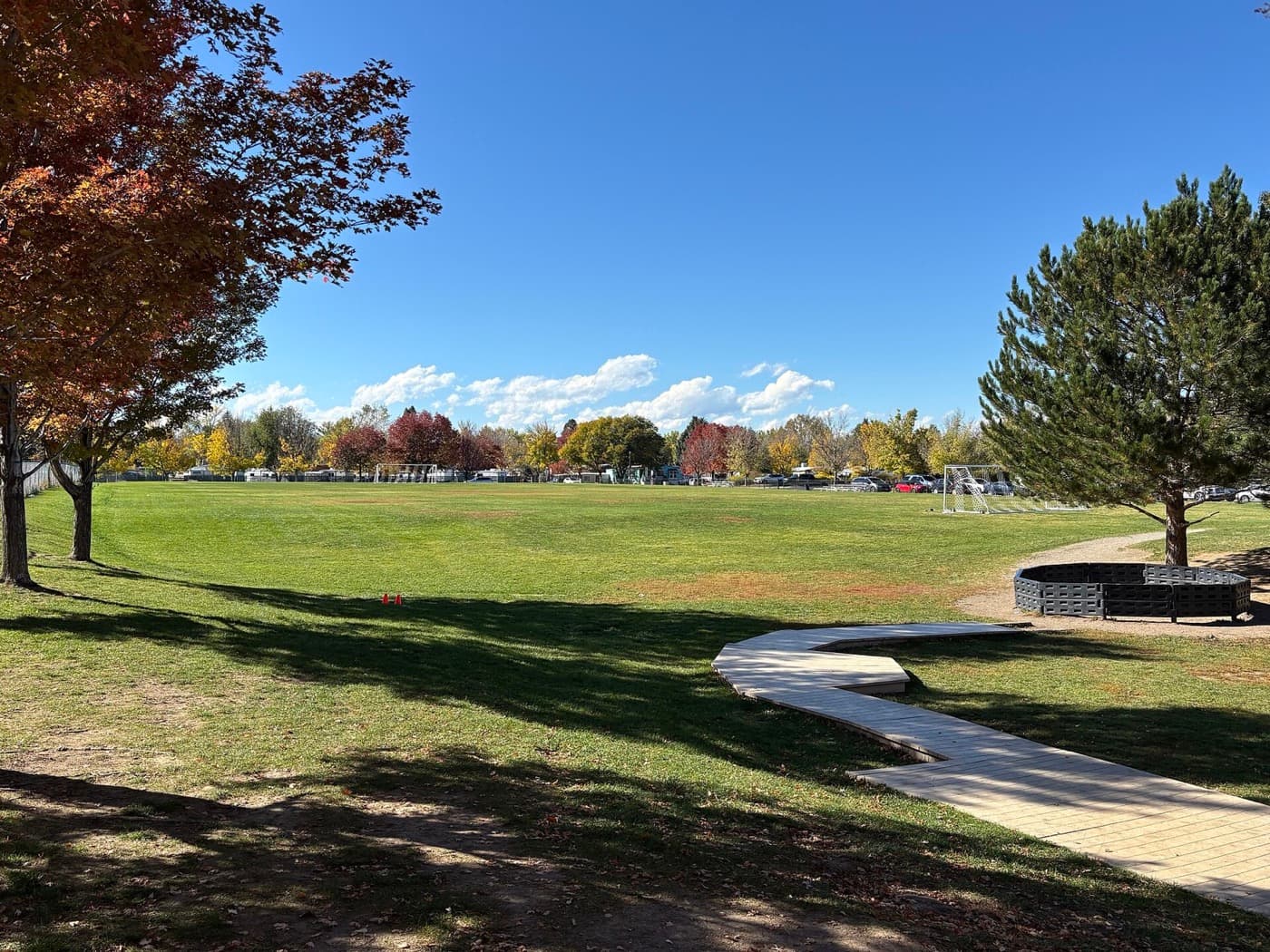
Football
The world’s most popular team sport — endless running, teamwork and community in one game.

Basketball
A fast, dynamic team sport of running, jumping and quick decisions on court.
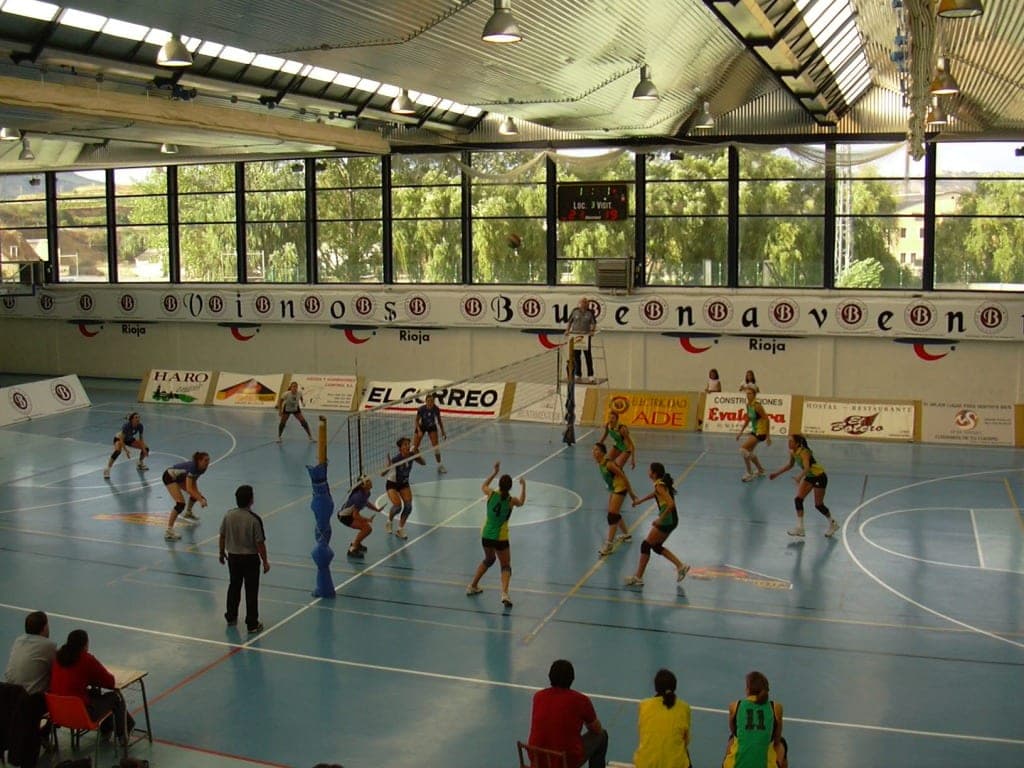
Volleyball
A non-contact team sport of rallies, jumps and teamwork — indoors or on the beach.
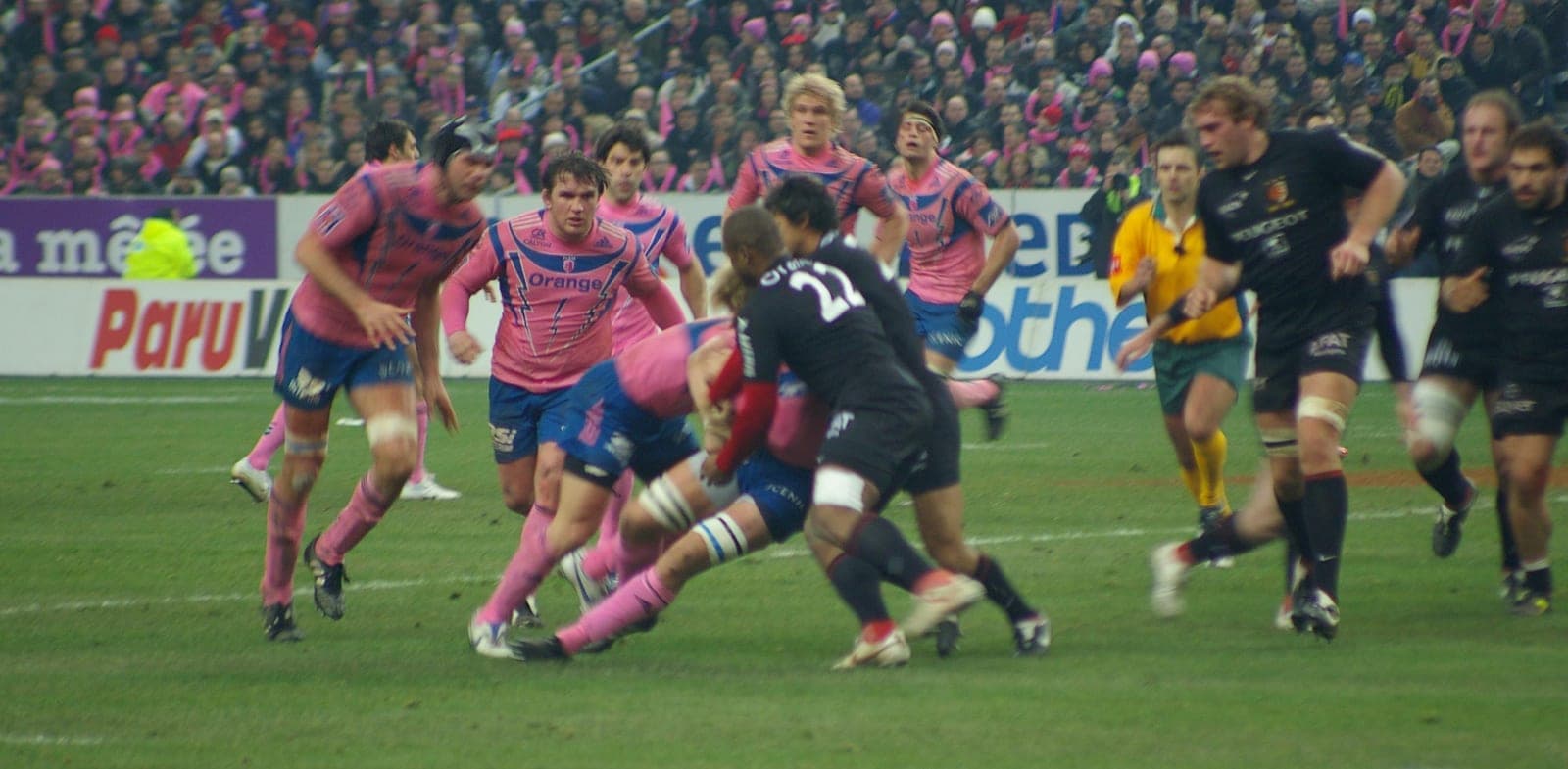
Rugby
A physical team sport of carrying, passing and kicking an oval ball toward the opposing line.
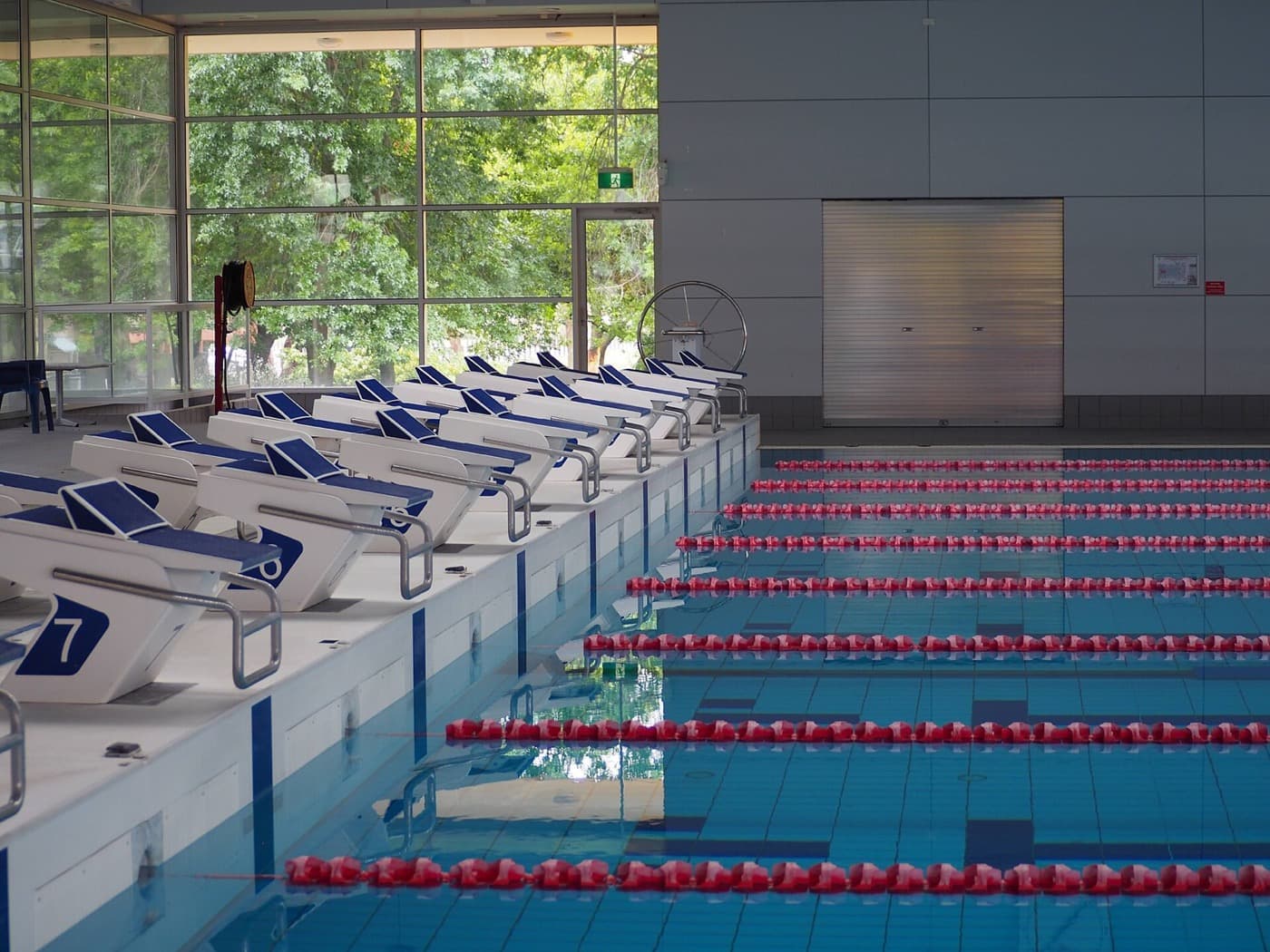
Swimming
A full-body, low-impact endurance sport suitable for almost every age and ability.
Explore across the knowledge base
Follow the threads that connect Debrief to the rest of SocialSportHub.
Beginner guides
- How to Talk to a Coach or Instructor as a BeginnerA friendly guide to introducing yourself as new, saying what you want from a session, and asking the questions that help a good coach adapt to you.
- How to Use a Learning CurriculumA learning curriculum is a plain, ordered map of what to learn in a sport and in roughly what order — here is how to use one to steer your own practice and sessions without turning it into a deadline.
Practice & sessions
- Match review sessionA session for looking back at a completed match — what worked, what didn't and why — to turn the experience into things to practise.
- Video analysis sessionA session that uses recorded footage to slow play down and see clearly what happened — technique, positioning and decisions — as a basis for feedback.
Go deeper with Debrief
Everywhere else on the platform that covers Debrief — assembled from what actually references it, so nothing here is a dead end.
Take it away
Open data and the whole-platform view of this subject.
How this page is maintained
- Content type
- Term
- Provenance
- Tier A — evergreen educational
- Verified external sources
- 0
- Content updated
- 2026-09-01
Evergreen, first-party explanation — it makes no claim that needs an external source. How we handle sources and reviews.