
Team Talk
An address to a team, usually by the coach or captain, given before a match or at half-time to instruct and motivate.
Definition
A team talk is a spoken address delivered to the whole team, most often by the head coach or the captain, at key moments — before the start, at half-time and sometimes after the game. It combines two purposes: passing on tactical instructions, such as adjustments to shape or targets to exploit, and lifting the group's focus, belief and intensity.
The half-time team talk is especially important, giving staff a brief window to react to how the match is unfolding and reset the plan. A purely motivational version is often called a pep talk, while the most detailed tactical instruction is usually reserved for training; a good team talk judges how much information a team can absorb under pressure and pitches its tone to the situation.
Where you’ll hear “team talk”
Sports that use this term:

Football
The world’s most popular team sport — endless running, teamwork and community in one game.

Basketball
A fast, dynamic team sport of running, jumping and quick decisions on court.
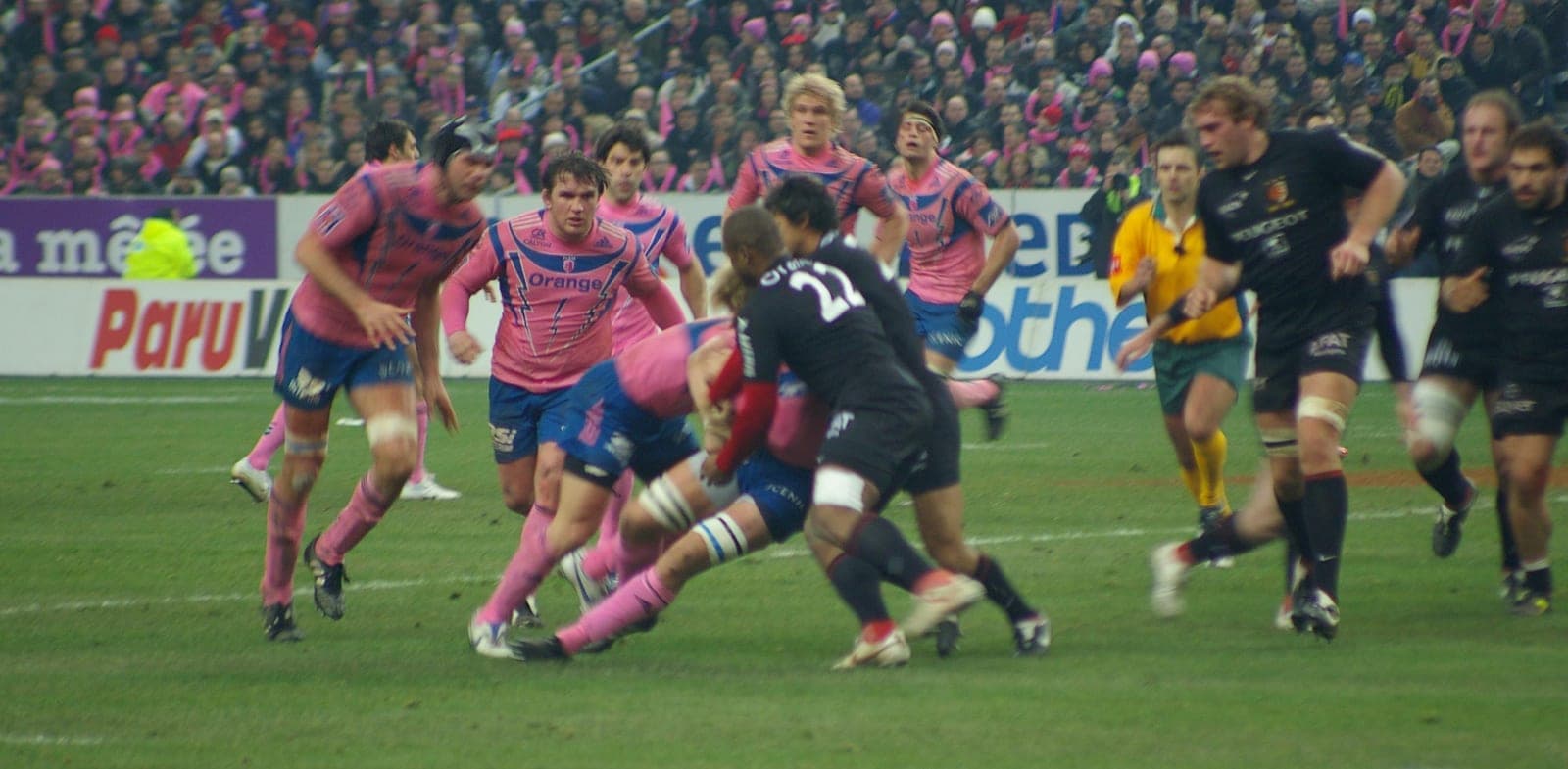
Rugby
A physical team sport of carrying, passing and kicking an oval ball toward the opposing line.
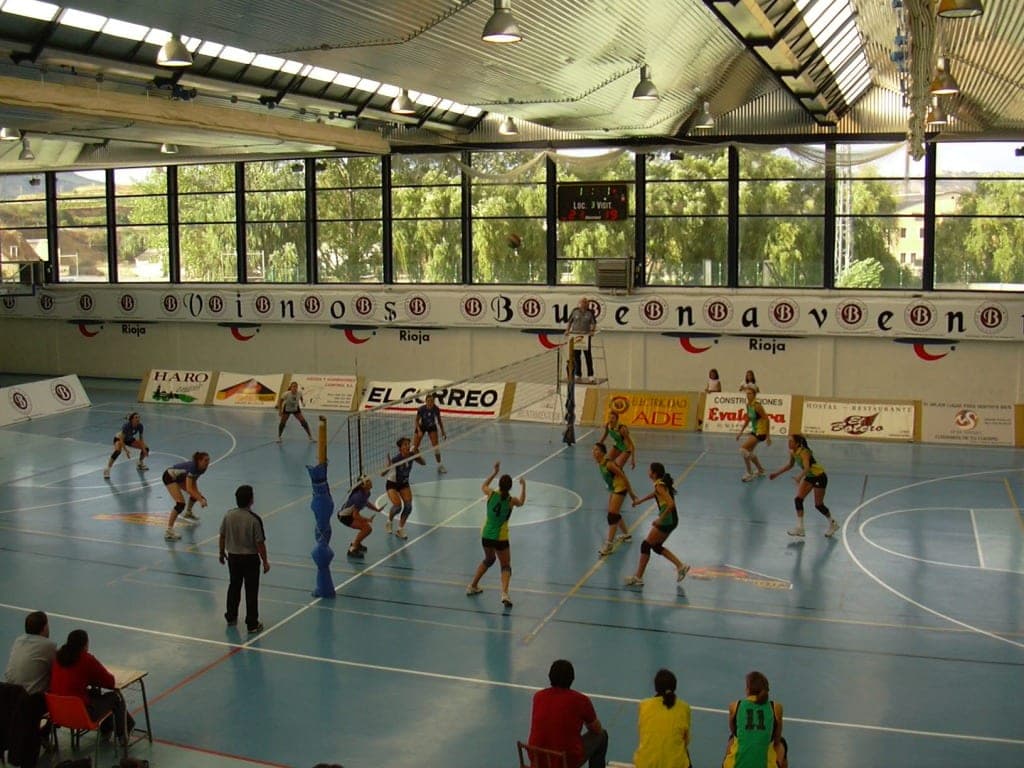
Volleyball
A non-contact team sport of rallies, jumps and teamwork — indoors or on the beach.
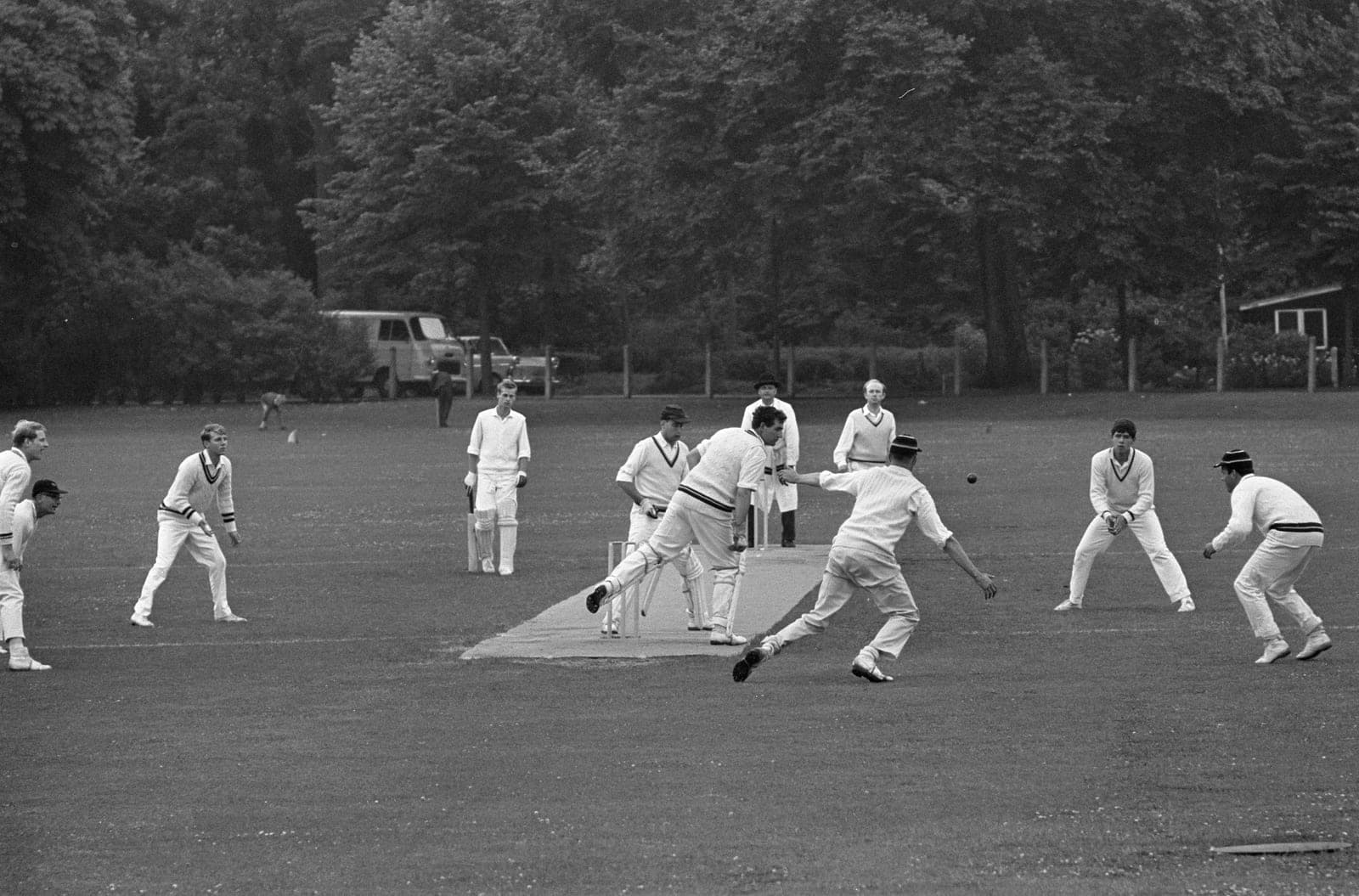
Cricket
A bat-and-ball team sport where sides take turns to bat and to bowl and field, scoring runs.
Explore across the knowledge base
Follow the threads that connect Team Talk to the rest of SocialSportHub.
Sports communication
- Pre-match communicationThe talking a team or individual does before play — plan, roles, key cues and a shared focus — to start on the same page.
- Coach-to-player feedbackHow a coach shares usable information with a player about what they did and what to try next — usually specific, well timed and focused on one thing at a time.
- Captain communicationHow a team's designated captain relays decisions, sets a tone and — in many sports — acts as the recognised point of contact with officials.
Practice & sessions
- Team practicePractising with a full team — working on roles, patterns of play and communication so the group performs together, usually under a coach.
- Match review sessionA session for looking back at a completed match — what worked, what didn't and why — to turn the experience into things to practise.
Rules
Go deeper with Team Talk
Everywhere else on the platform that covers Team Talk — assembled from what actually references it, so nothing here is a dead end.
Take it away
Open data and the whole-platform view of this subject.
How this page is maintained
- Content type
- Term
- Provenance
- Tier A — evergreen educational
- Verified external sources
- 0
- Content updated
- 2026-09-01
Evergreen, first-party explanation — it makes no claim that needs an external source. How we handle sources and reviews.