
Captain
The player appointed to lead a team during play, representing it to officials and often shaping tactics and morale.
Definition
The captain is the player formally designated to lead a team during play. Standard duties usually include taking part in the pre-match coin toss, acting as the recognised point of contact with match officials, and setting an example through conduct and effort. In many sports the captain wears a marker such as an armband to make the role visible.
How much authority the role carries varies by sport. In cricket the captain makes constant tactical decisions — setting fields, rotating bowlers and choosing when to declare — so the position is highly influential, whereas in sports with active coaches directing play from the sideline the captain's role centres on on-field communication, leadership and morale. In some sports only the captain may formally address the referee about a decision.
Meaning by sport
This term is used differently across sports:
- Cricket
- A tactical leader with wide authority — setting the field, changing bowlers and deciding when to declare — making the captain one of the most influential figures on the team.
- Football
- The on-field leader who wears the armband, takes the coin toss and is often the designated player to speak with the referee, though overall tactics are usually directed by the manager.
Where you’ll hear “captain”
Sports that use this term:

Football
The world’s most popular team sport — endless running, teamwork and community in one game.
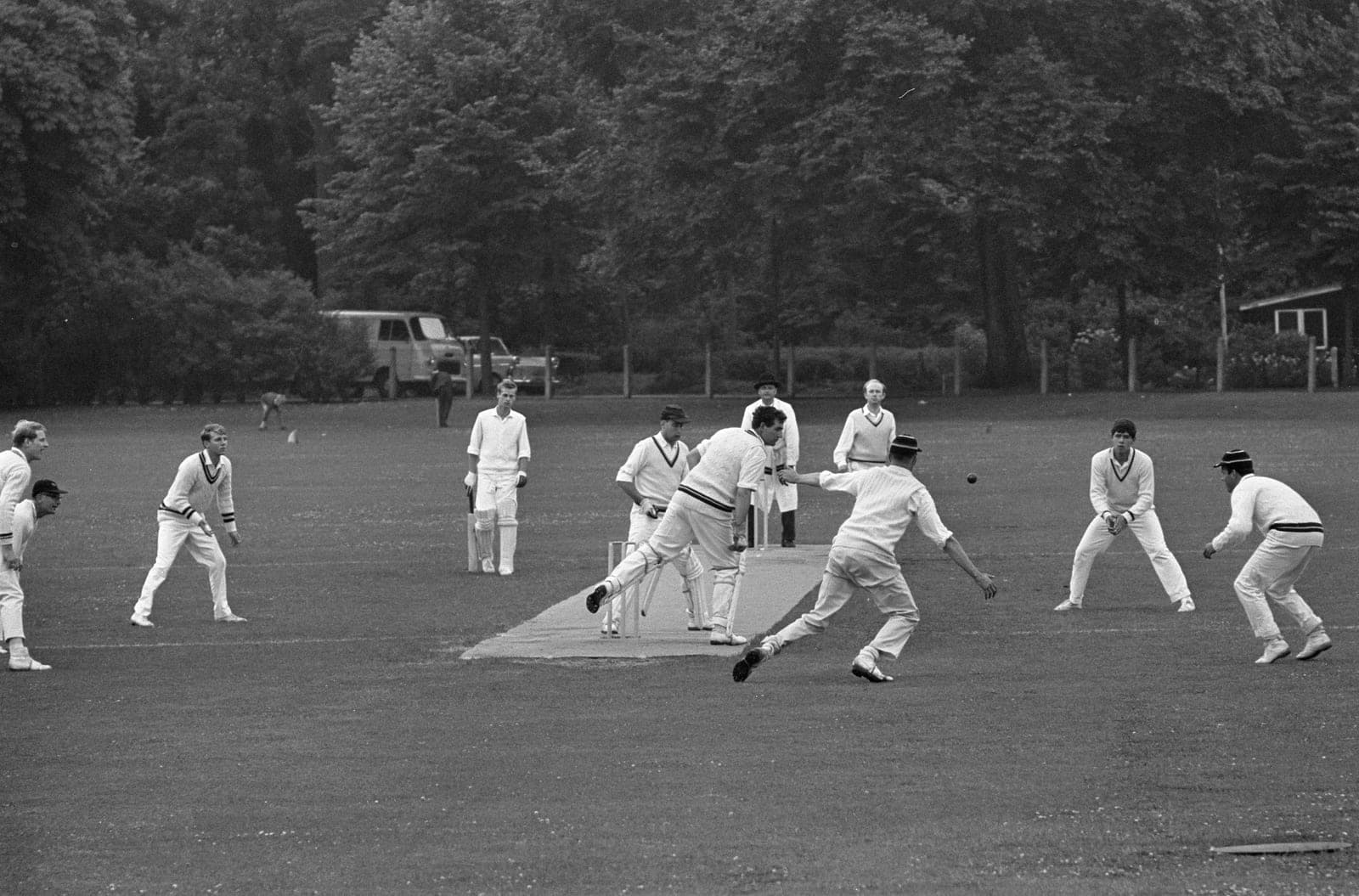
Cricket
A bat-and-ball team sport where sides take turns to bat and to bowl and field, scoring runs.
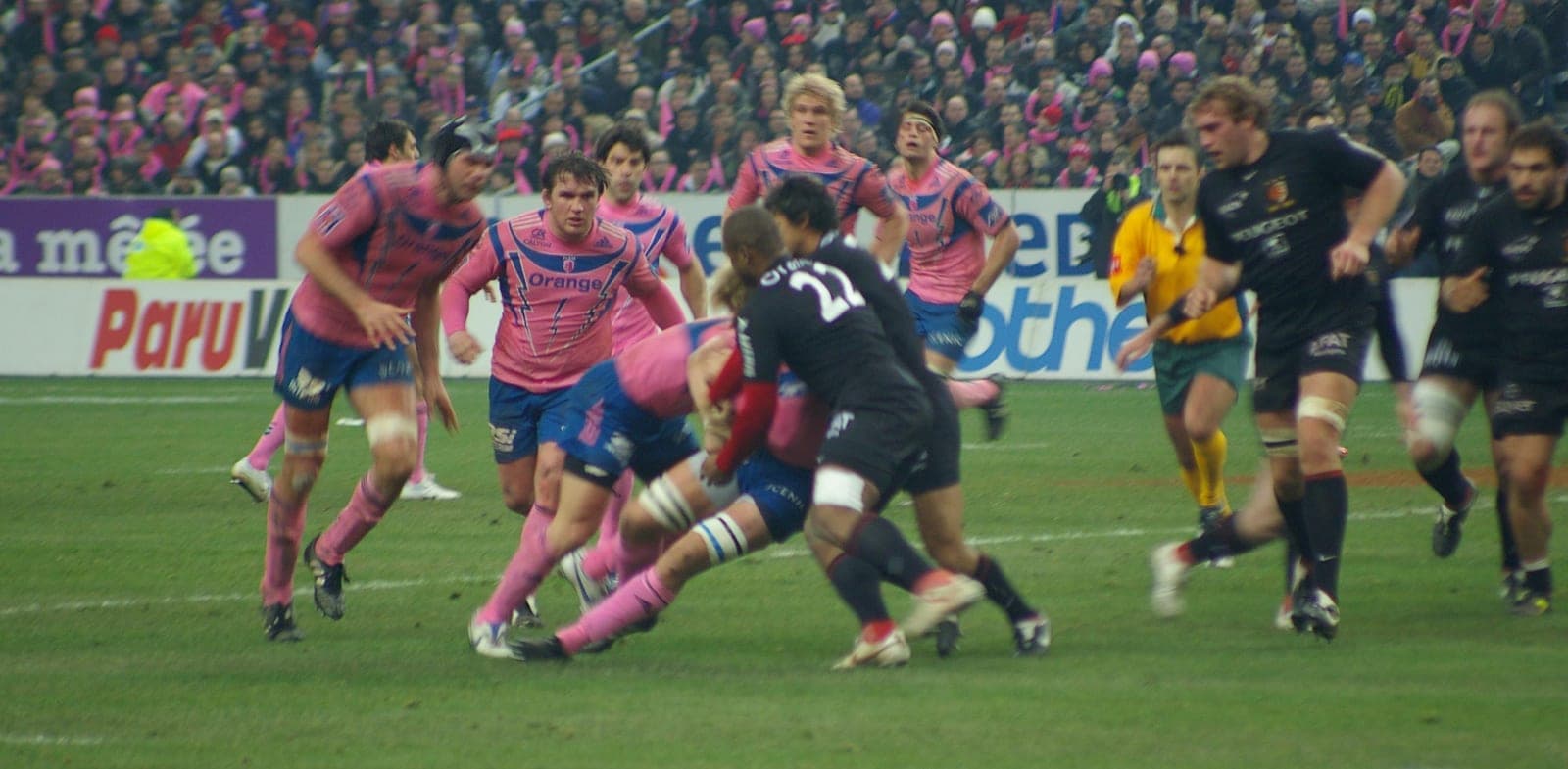
Rugby
A physical team sport of carrying, passing and kicking an oval ball toward the opposing line.

Basketball
A fast, dynamic team sport of running, jumping and quick decisions on court.
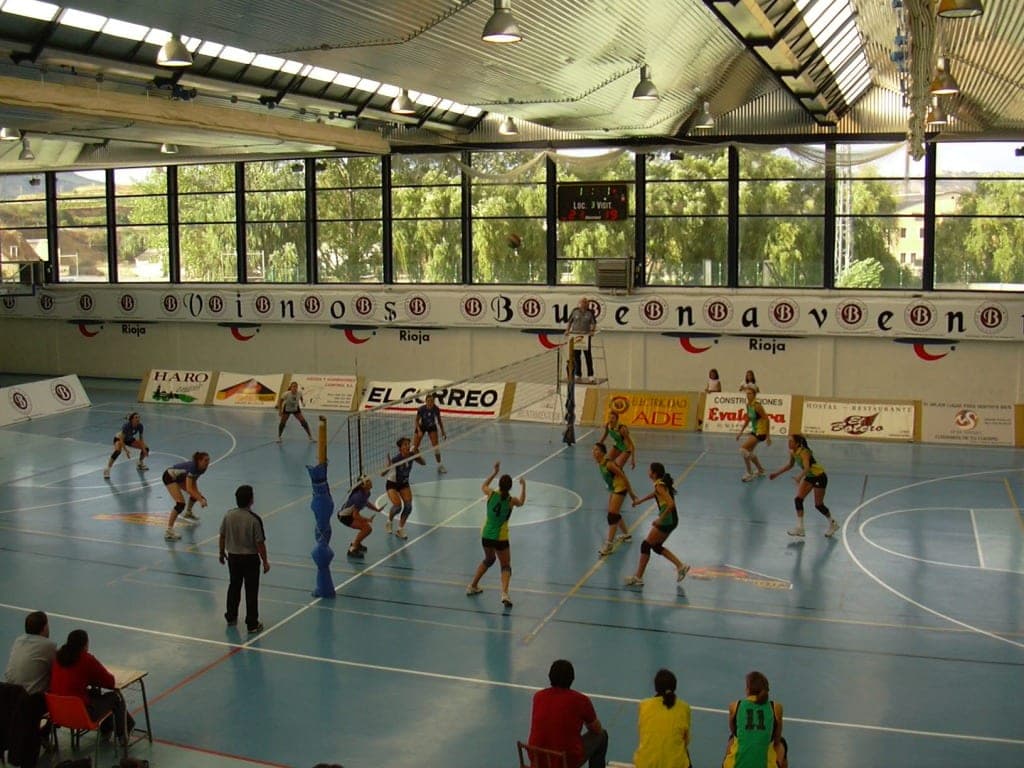
Volleyball
A non-contact team sport of rallies, jumps and teamwork — indoors or on the beach.
Explore across the knowledge base
Follow the threads that connect Captain to the rest of SocialSportHub.
Sports communication
Player roles
- CaptainThe captain is a team's on-field leader who communicates, makes in-game decisions and sets standards — a role any player can hold, not a fixed position.
- Target playerA target player is a focal attacker who receives, holds up and links play for others, often physically strong and good in the air or with the hands.
- PlaymakerThe playmaker is a team's creative hub — the player who orchestrates attacks, controls the tempo and distributes the ball so teammates can score.
- Utility playerA dependable, versatile player who can competently fill several different positions as the team needs, rather than specialising in just one.
- Ball-winnerA ball-winner is the player tasked with regaining possession through pressing, tackling and interceptions — a team's tireless defensive workhorse.
Positions
Officiating
- TimekeeperThe timekeeper is the official who runs a contest's clock — starting and stopping time, timing rounds, races and periods, and signalling when time expires.
- ScorekeeperThe official who keeps the authoritative record of a contest — score, fouls, and statistics — usually seated at a scorer's table beside the timekeeper.
- AdvantageIn many sports, officials let play continue after a foul when stopping would help the offender, so the fouled team keeps the advantage it has gained.
Go deeper with Captain
Everywhere else on the platform that covers Captain — assembled from what actually references it, so nothing here is a dead end.
Take it away
Open data and the whole-platform view of this subject.
How this page is maintained
- Content type
- Term
- Provenance
- Tier A — evergreen educational
- Verified external sources
- 0
- Content updated
- 2026-09-01
Evergreen, first-party explanation — it makes no claim that needs an external source. How we handle sources and reviews.