
Set Point
A point that, if won by the leading side, wins the current set. A player can face several set points in a row and save every one of them.
Definition
Set point is the situation in which a player or team needs one more point to close out a set in a contest played as a best-of-sets match. It ranks between game point and match point: winning it secures a set but not necessarily the match, unless it is also the final set required to win.
In tennis a set point arises when the leader can take the set on the next point, for example serving at 5-3, 40-30. In volleyball it occurs near the 25-point target, or 15 in a deciding set. When a set point is also enough to win the whole contest it is simultaneously match point, and a side may hold and lose several set points before the set is finally decided.
Where you’ll hear “set point”
Sports that use this term:
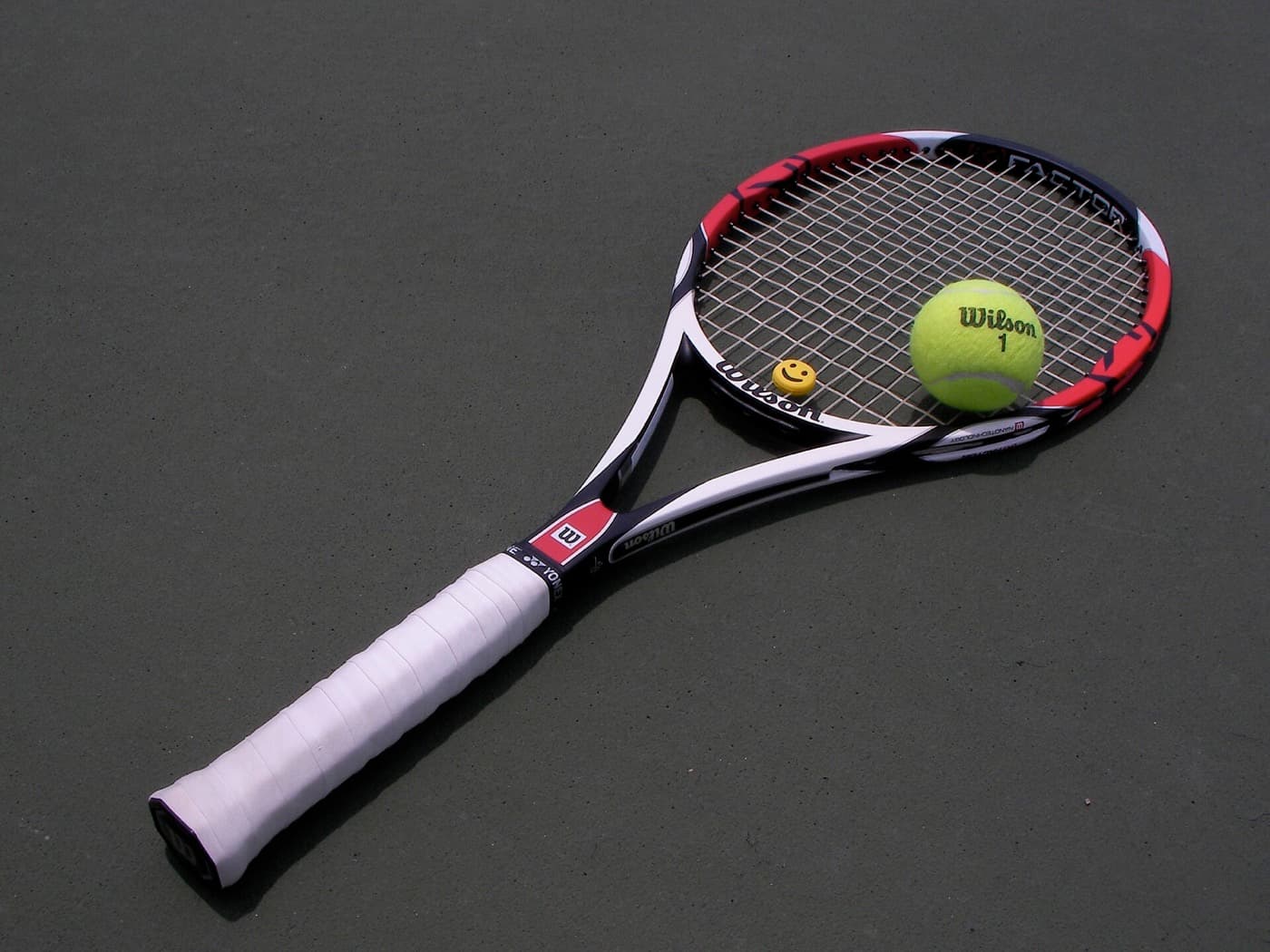
Tennis
A singles or doubles racquet sport that blends agility, strategy and stamina on court.
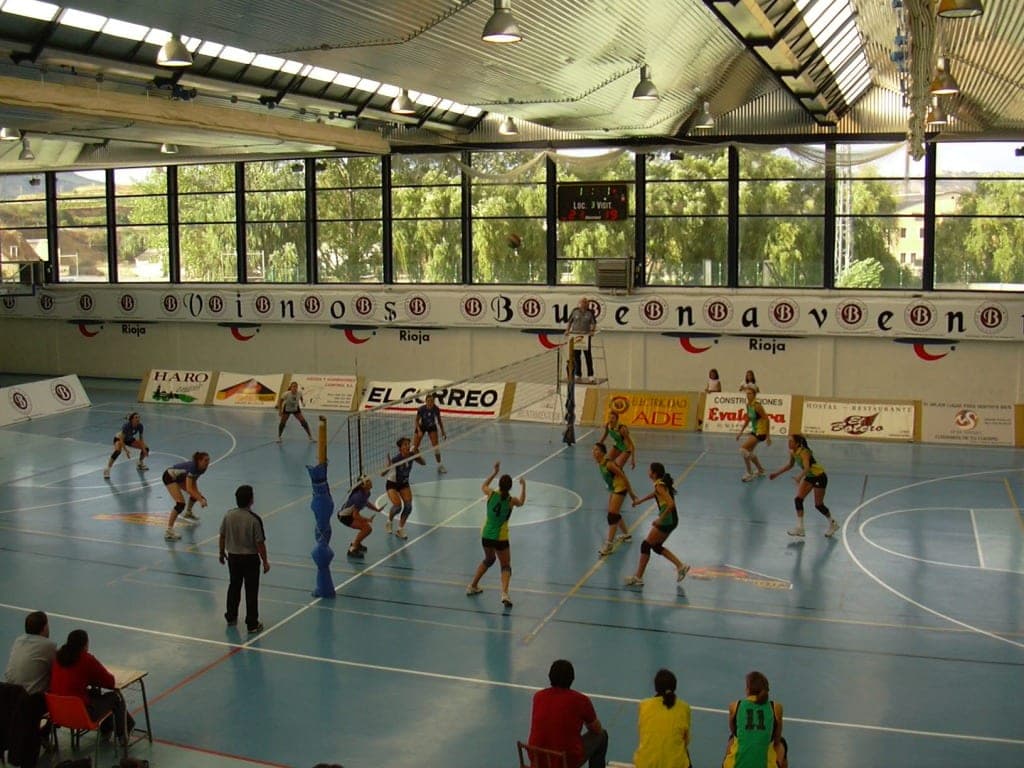
Volleyball
A non-contact team sport of rallies, jumps and teamwork — indoors or on the beach.

Padel
A sociable, doubles-first racquet sport played in an enclosed court where the walls stay in play.
How it connects
The meaning-bearing relationships that place Set Point in the wider knowledge graph — each one with the reason it exists.
Commonly confused with
Close enough to be mixed up — the distinction is worth knowing.
Explore across the knowledge base
Follow the threads that connect Set Point to the rest of SocialSportHub.
Scoring systems
- Volleyball scoringVolleyball uses rally scoring, in which a point is won on every rally, and matches are decided over a best-of-five sets.
- Table tennis scoringTable tennis is scored on every rally to 11 points per game, won by two clear points, over a best-of odd number of games.
- Table tennis scoring and service orderHow games and matches are won — 11 points with a two-point margin, service changing every two points, and the expedite system that stops a game lasting forever.
- Tennis scoringTennis is scored in points, games and sets, using the distinctive 15–30–40 point sequence and a win-by-two margin at every level.
- Football (soccer) scoringFootball is scored by goals, with each goal worth one point and the team scoring the most goals winning the match.
Tactics
- Point constructionHow tennis points are built rather than won — the neutral, attacking and defensive positions, what each one permits, and why most errors come from playing the wrong shot for the position.
- Net position and the lobThe tactical core of padel — why the pair at the net wins most points, why the lob is the main weapon for taking that position, and how the walls make the exchange repeatable.
Rules
- Volleyball rotationThe rule that players rotate one position clockwise each time their team wins back the serve.
- How a point is won in table tennisThe full list of ways a player scores — the returns that fail, the ball through the net, the double hit, the free-hand touch, and the moving-table rule most players never meet.
- LetA call that stops a point and has it replayed without penalty, used across several racket sports.
- Touching the netA net-play rule that penalises a player for contacting the net during a rally in net-divided sports.
Positions
- HookerThe hooker is a front-row forward in rugby who wins the ball in the scrum and typically throws the ball into the line-out.
- Middle blockerThe middle blocker plays in the centre of the net, leading the team’s blocking and attacking with fast, quick sets.
- LiberoThe libero is a defensive volleyball specialist who wears a contrasting shirt, plays only in the back row, and cannot attack the ball above the height of the net.
Go deeper with Set Point
Everywhere else on the platform that covers Set Point — assembled from what actually references it, so nothing here is a dead end.
Take it away
Open data and the whole-platform view of this subject.
How this page is maintained
- Content type
- Term
- Provenance
- Tier A — evergreen educational
- Verified external sources
- 0
- Content updated
- 2026-09-01
Evergreen, first-party explanation — it makes no claim that needs an external source. How we handle sources and reviews.