
Match Point
A point which, if won by the leading player or side, wins the entire match.
Definition
In point-based racquet and net sports, match point is the situation in which the leading player or team needs just one more point to win the whole contest. It is the highest-stakes member of a family of "...point" situations, sitting above game point and set point because converting it ends the match rather than only a game or a set.
A player can face several match points in succession; each is "saved" when the trailing side wins the rally, and holding match point on your own serve is generally seen as a stronger position than facing it on the opponent's. In sports scored by sets, match point can only arise in the deciding or final required set. Commentators often number them, as in "triple match point," to show how many chances the leader holds.
Where you’ll hear “match point”
Sports that use this term:
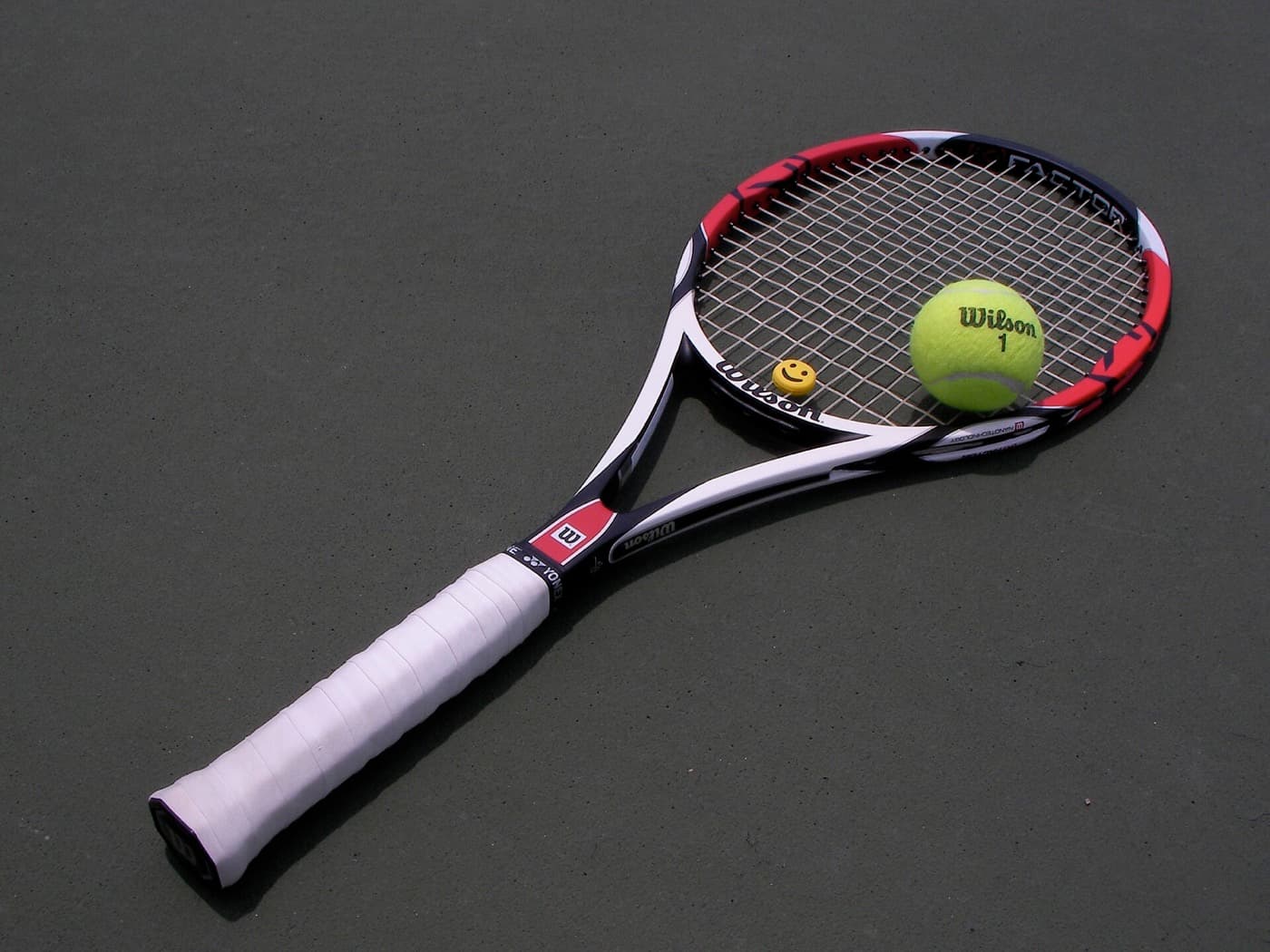
Tennis
A singles or doubles racquet sport that blends agility, strategy and stamina on court.
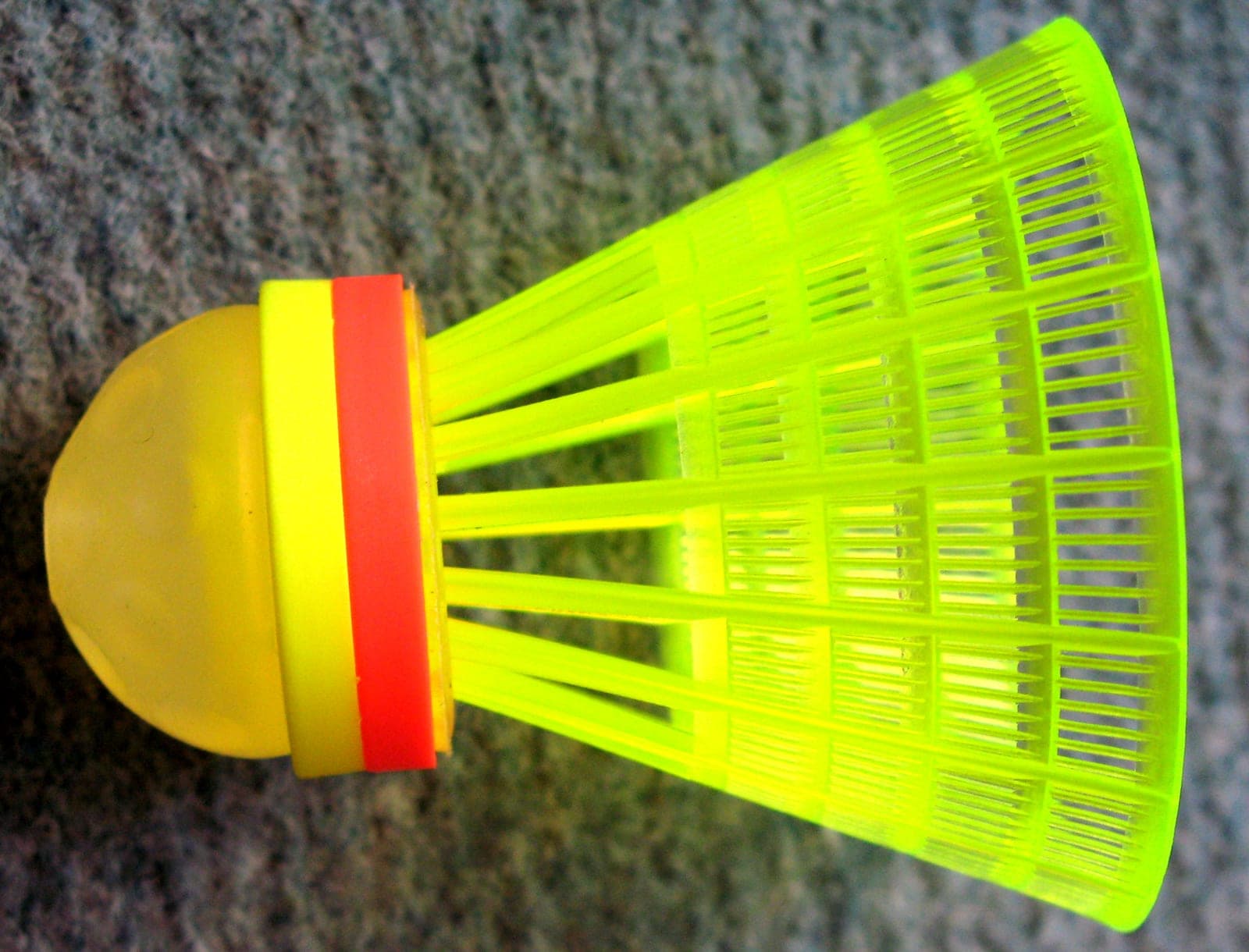
Badminton
A fast indoor racquet sport played with a shuttlecock that rewards agility and touch.
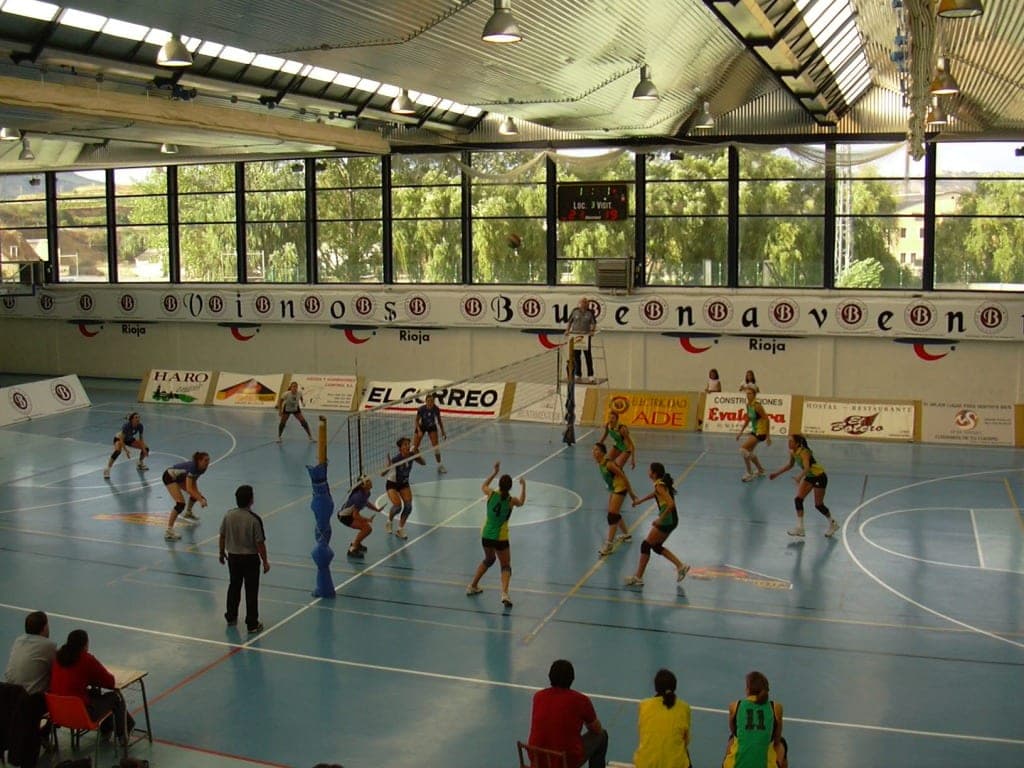
Volleyball
A non-contact team sport of rallies, jumps and teamwork — indoors or on the beach.
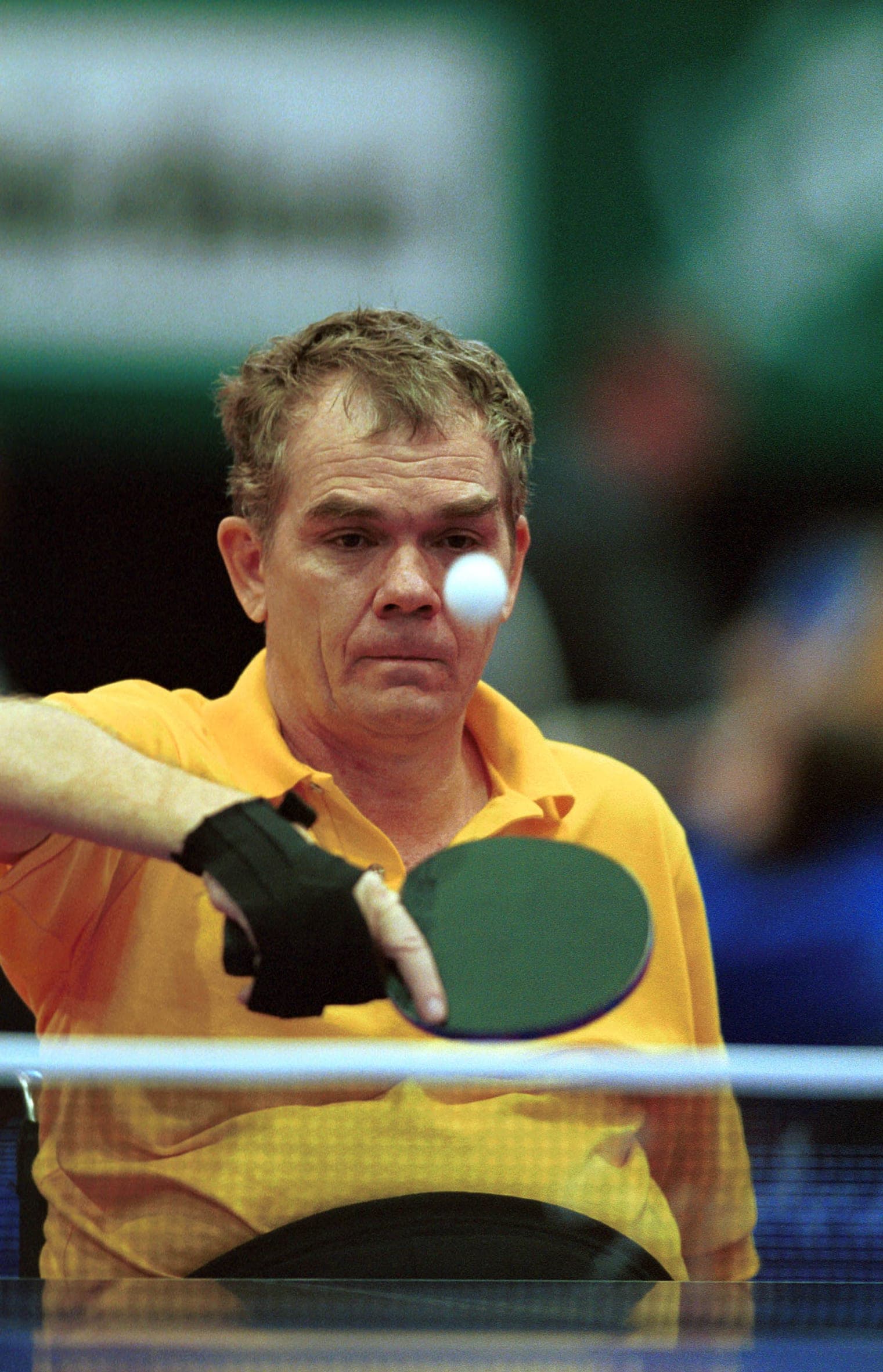
Table Tennis
A fast, low-impact indoor racquet sport that sharpens reflexes and is easy to start.

Padel
A sociable, doubles-first racquet sport played in an enclosed court where the walls stay in play.
How it connects
The meaning-bearing relationships that place Match Point in the wider knowledge graph — each one with the reason it exists.
Commonly confused with
Close enough to be mixed up — the distinction is worth knowing.
Explore across the knowledge base
Follow the threads that connect Match Point to the rest of SocialSportHub.
Scoring systems
- Volleyball scoringVolleyball uses rally scoring, in which a point is won on every rally, and matches are decided over a best-of-five sets.
- Table tennis scoringTable tennis is scored on every rally to 11 points per game, won by two clear points, over a best-of odd number of games.
- Table tennis scoring and service orderHow games and matches are won — 11 points with a two-point margin, service changing every two points, and the expedite system that stops a game lasting forever.
- How golf is scoredGolf counts strokes: the fewest shots taken to complete a hole or a round wins, with par providing the reference every score is described against.
- Tennis scoringTennis is scored in points, games and sets, using the distinctive 15–30–40 point sequence and a win-by-two margin at every level.
Rules
- How a point is won in table tennisThe full list of ways a player scores — the returns that fail, the ball through the net, the double hit, the free-hand touch, and the moving-table rule most players never meet.
- Volleyball rotationThe rule that players rotate one position clockwise each time their team wins back the serve.
- LetA call that stops a point and has it replayed without penalty, used across several racket sports.
- Innings and oversHow a cricket match is structured — what an innings is, why an over is six balls, how the bowling end alternates, and which parts of the structure the Laws fix and which a competition sets.
- Test, ODI and T20 cricket comparedThe three international formats of cricket side by side — innings structure, over limits and match length — and why almost everything that separates them is a competition rule rather than a Law.
Tactics
- Point constructionHow tennis points are built rather than won — the neutral, attacking and defensive positions, what each one permits, and why most errors come from playing the wrong shot for the position.
- Serve and volleyAn attacking tennis tactic where the server follows their serve to the net to finish the point with a volley.
- Approaching the netHow a point is moved forward — which balls justify an approach, why the approach is hit down the line, and the transition volley that has to be played from no-man's land.
- Net position and the lobThe tactical core of padel — why the pair at the net wins most points, why the lob is the main weapon for taking that position, and how the walls make the exchange repeatable.
Positions
- Middle blockerThe middle blocker plays in the centre of the net, leading the team’s blocking and attacking with fast, quick sets.
- HookerThe hooker is a front-row forward in rugby who wins the ball in the scrum and typically throws the ball into the line-out.
- Shooting guardThe shooting guard is a perimeter player whose main role is to score, especially from mid-range and beyond the three-point line.
- Cricket fielding positionsHow cricket names the places a fielder can stand — the off-side and leg-side halves, the forward and behind-square split, and why the same spot has a different name for each batter.
Skills
Go deeper with Match Point
Everywhere else on the platform that covers Match Point — assembled from what actually references it, so nothing here is a dead end.
Take it away
Open data and the whole-platform view of this subject.
How this page is maintained
- Content type
- Term
- Provenance
- Tier A — evergreen educational
- Verified external sources
- 0
- Content updated
- 2026-09-01
Evergreen, first-party explanation — it makes no claim that needs an external source. How we handle sources and reviews.