
Unified Sports
A team format in which athletes with and without intellectual disabilities play together on the same side.
Definition
Unified Sports is a format that brings together athletes with intellectual disabilities and partners without them to train and compete as teammates on the same team. It is closely associated with the Special Olympics movement and is built on the idea that playing side by side, rather than in separate groups, builds skill, friendship, and mutual respect.
Teams are typically balanced so that all players are of similar age and ability and everyone has a genuine role, rather than partners dominating play. The model is used across many team sports and is a widely cited example of inclusive competition put into practice.
Where you’ll hear “unified sports”
Sports that use this term:

Football
The world’s most popular team sport — endless running, teamwork and community in one game.

Basketball
A fast, dynamic team sport of running, jumping and quick decisions on court.
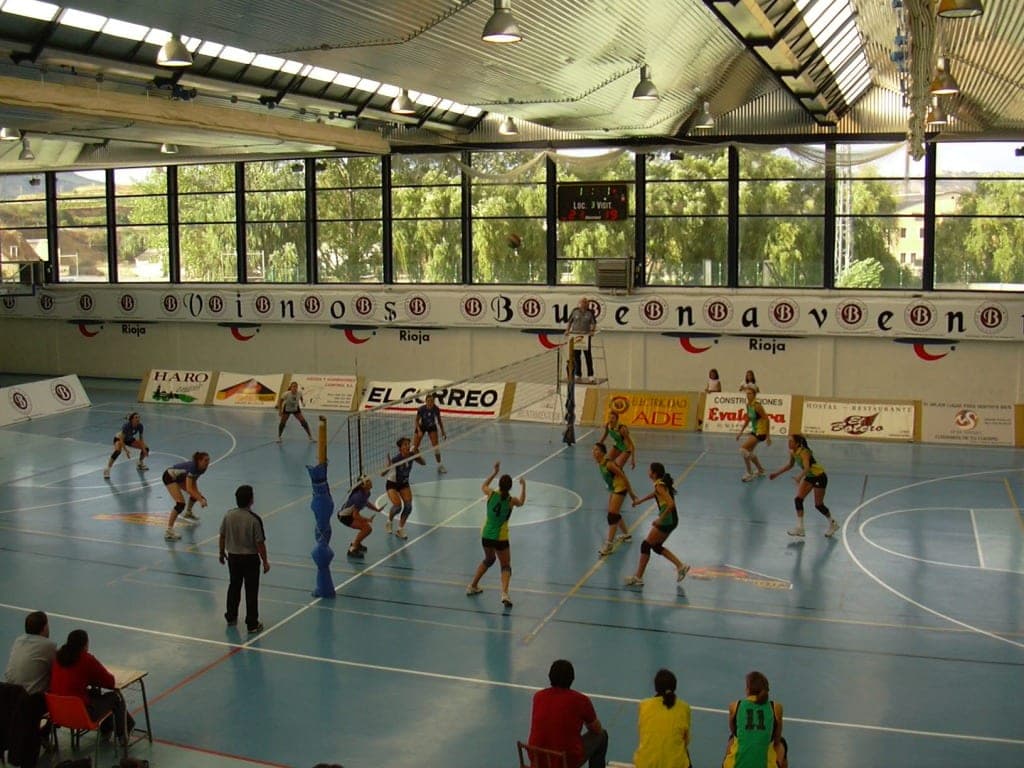
Volleyball
A non-contact team sport of rallies, jumps and teamwork — indoors or on the beach.
Explore across the knowledge base
Follow the threads that connect Unified Sports to the rest of SocialSportHub.
Adaptive sports
- Inclusive sportsSport designed or delivered so that disabled and non-disabled people can play together, side by side, in the same activity.
- Adaptive sportsSport adjusted in its equipment, rules or format so that people with disabilities can take part, compete and enjoy it.
- Adaptive coachingCoaching that adjusts how it teaches — communication, planning and pace — so that people with a disability can learn, improve and enjoy a sport.
- Para sportsThe competitive branch of adaptive sport, where athletes with disabilities train and compete, often within organised classification systems.
- Adaptive competitionsOrganised events where athletes with disabilities compete, from local grassroots fixtures up to major international championships.
Positions
- Cricket fielding positionsHow cricket names the places a fielder can stand — the off-side and leg-side halves, the forward and behind-square split, and why the same spot has a different name for each batter.
- Outside hitterThe outside hitter attacks from the left side of the net and is often a volleyball team’s main scoring option.
Practice & sessions
Sports communication
Go deeper with Unified Sports
Everywhere else on the platform that covers Unified Sports — assembled from what actually references it, so nothing here is a dead end.
Take it away
Open data and the whole-platform view of this subject.
How this page is maintained
- Content type
- Term
- Provenance
- Tier A — evergreen educational
- Verified external sources
- 0
- Content updated
- 2026-09-01
Evergreen, first-party explanation — it makes no claim that needs an external source. How we handle sources and reviews.