
High knees
A running-in-place cardio drill where you lift the knees high with a quick rhythm.
Overview
High knees are a running-in-place cardio drill. You jog on the spot while lifting each knee up toward hip height, pumping the arms in time. Done briskly, it raises the heart rate and rehearses a quick, snappy running action; done slowly, it is a gentle marching warm-up.
It needs no equipment and can be adjusted by changing the pace and the height of the knees. High knees are common in warm-ups and cardio circuits, and they also feature in the preparation for running and field sports.
The movement
- 1Stand tall and begin jogging on the spot.
- 2Lift each knee up toward hip height in turn.
- 3Pump your arms in rhythm with your legs.
- 4Keep a steady, quick cadence for a set time.
Beginner notes
- A slow march is a gentle way to start before speeding up.
- Pumping the arms in time helps set the rhythm.
- Landing softly on the balls of the feet keeps it smooth.
A note on training information
Where it’s used
Sports this relates to:
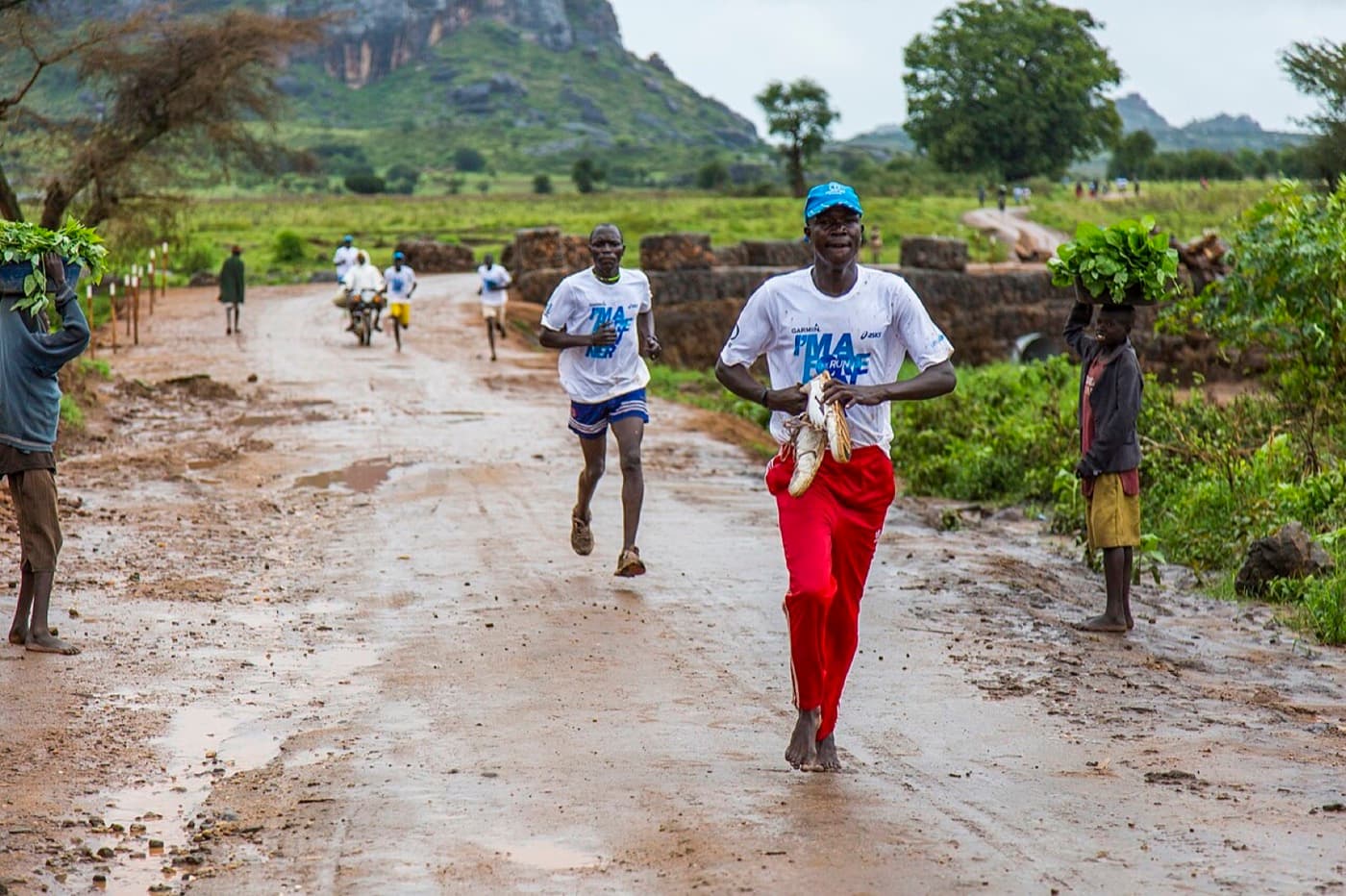
Running
The most accessible endurance sport — no venue, just shoes and the open road or trail.
Football
The world’s most popular team sport — endless running, teamwork and community in one game.
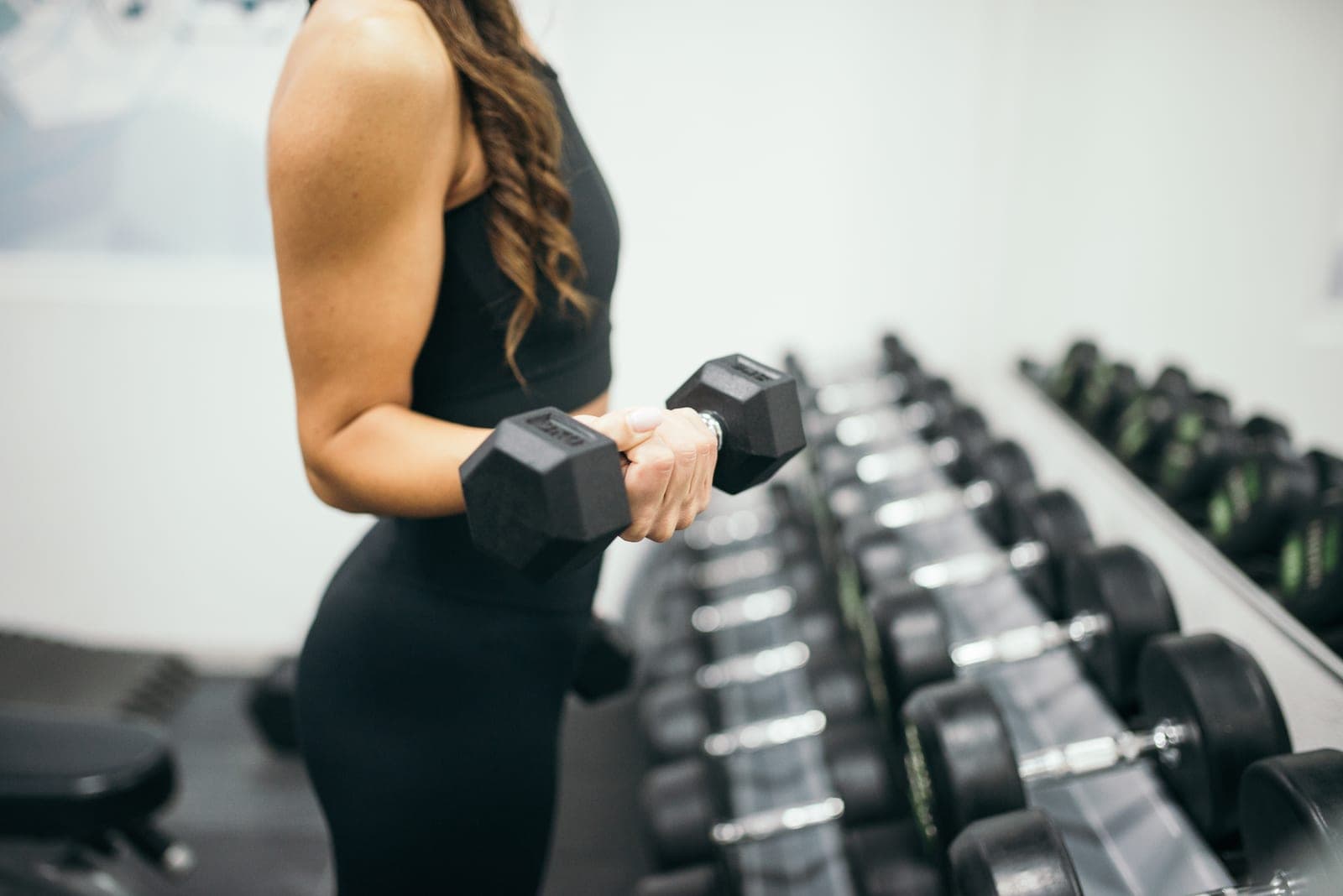
Fitness
Strength and general fitness training — the foundation that supports every other sport.
Related exercises
Squat
A foundational lower-body movement where you bend at the hips and knees to lower down and stand back up.
Goblet squat
A squat variation where you hold a single weight close to your chest for balance and control.
Jump squat
An explosive squat variation where you spring off the floor at the top of the movement.
Explore across the knowledge base
Follow the threads that connect High knees to the rest of SocialSportHub.
Movement patterns
- GaitThe cyclic, alternating single-leg pattern of walking and running that carries the body across the ground — the base of most field and endurance sport.
- AccelerationThe athletic pattern of building speed from a standing or slow start by driving large horizontal forces into the ground to project the body forward.
- BackpedalControlled backward locomotion performed while facing forward, staying low and pushing off the balls of the feet in short strides to stay reactive and keep play in view.
- BoundAn exaggerated, horizontal springing stride that transfers from one leg to the opposite leg with a long flight phase, amplifying the mechanics of running.
- KickA ballistic single-support leg swing that whips force from the plant foot through the hip and knee to strike or propel a ball or target with the foot, distinct from the weight-bearing steps of locomotion.
Techniques
- DeadliftA strength exercise that lifts a loaded barbell from the floor to a standing position by extending the hips and knees together.
- Bodyweight SquatA foundational lower-body exercise that lowers the hips by bending the knees and hips, then stands back up, using only body weight.
- Rugby union tackling techniqueHow a tackle is made safely and legally — where to place the head and shoulder, the height the Laws require, and why technique is a safety question before it is a performance one.
- Volleyball SetAn overhead pass using the fingertips of both hands to place the ball accurately for a teammate to attack.
- Cycling CadenceThe technique of pedalling at a smooth, steady rhythm and choosing a gear that keeps the legs turning efficiently.
Playing surfaces
- Road (Tarmac / Asphalt)Paved tarmac or asphalt: a firm, smooth, predictable surface that rewards steady pace and rhythm — the ground for road running, cycling and race-walking.
- Synthetic trackAn all-weather rubberised athletics running surface — firm, springy and high-grip — giving sprinters and distance runners fast, consistent, predictable footing.
Goals
- Improve cardiovascular healthRegular activity is widely linked with supporting heart and circulatory health as part of a balanced routine.
- Improve sleepSupport more restful sleep by staying active during the day and building a consistent daily rhythm.
- Healthy agingStay active, steady and independent as you get older with a sustainable mix of gentle cardio, strength and balance work.
Go deeper with High knees
Everywhere else on the platform that covers High knees — assembled from what actually references it, so nothing here is a dead end.
Take it away
Open data and the whole-platform view of this subject.
How this page is maintained
- Content type
- Exercise
- Provenance
- Tier A — evergreen educational
- Verified external sources
- 0
- Content updated
- 2026-07-06
Evergreen, first-party explanation — it makes no claim that needs an external source. How we handle sources and reviews.