
Zone defence
A defensive system in which each player guards a specific area of the court or field rather than a specific opponent.
Definition
In a zone defence, defenders are responsible for covering a designated space and any opponent who enters it, instead of following one assigned player around. This lets a team protect key areas and share responsibility as the ball moves.
Zone systems are used in sports such as basketball, netball, handball and water polo. They can make it harder to attack through crowded central areas, but attackers may try to exploit the gaps between zones with movement and passing.
Where you’ll hear “zone defence”
Sports that use this term:
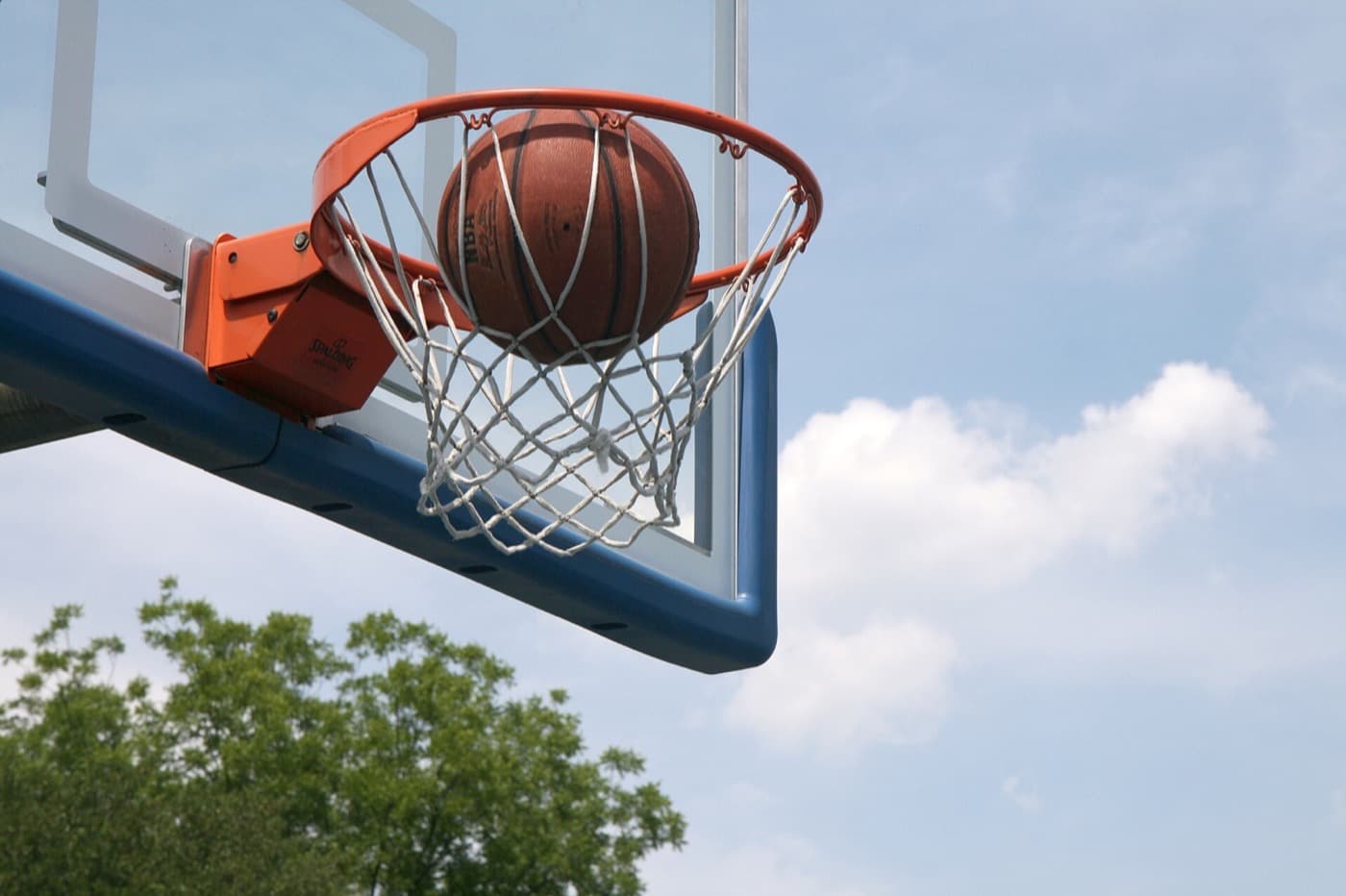
Basketball
A fast, dynamic team sport of running, jumping and quick decisions on court.
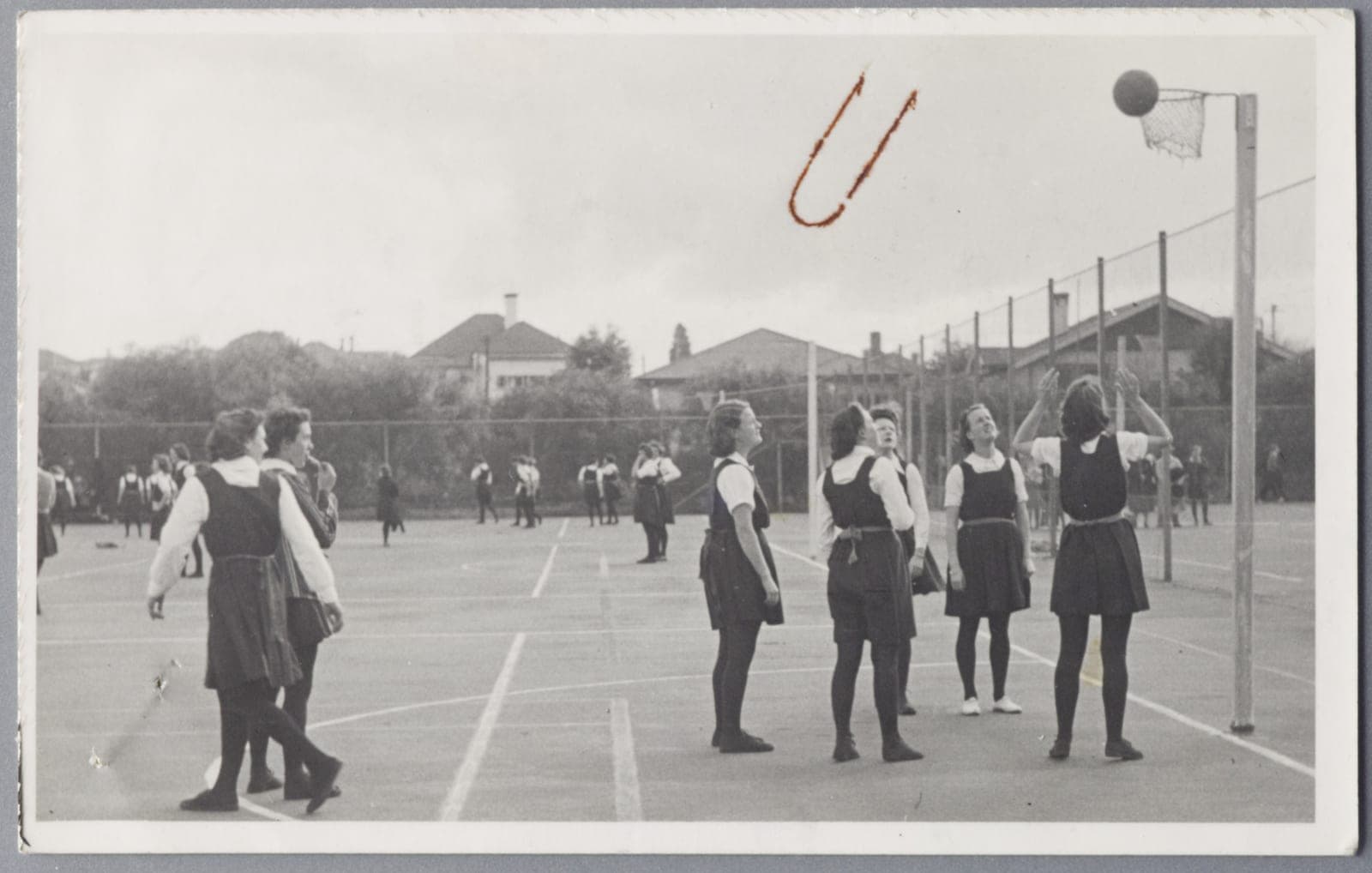
Netball
A non-contact, position-based team sport of quick passing and accurate shooting.
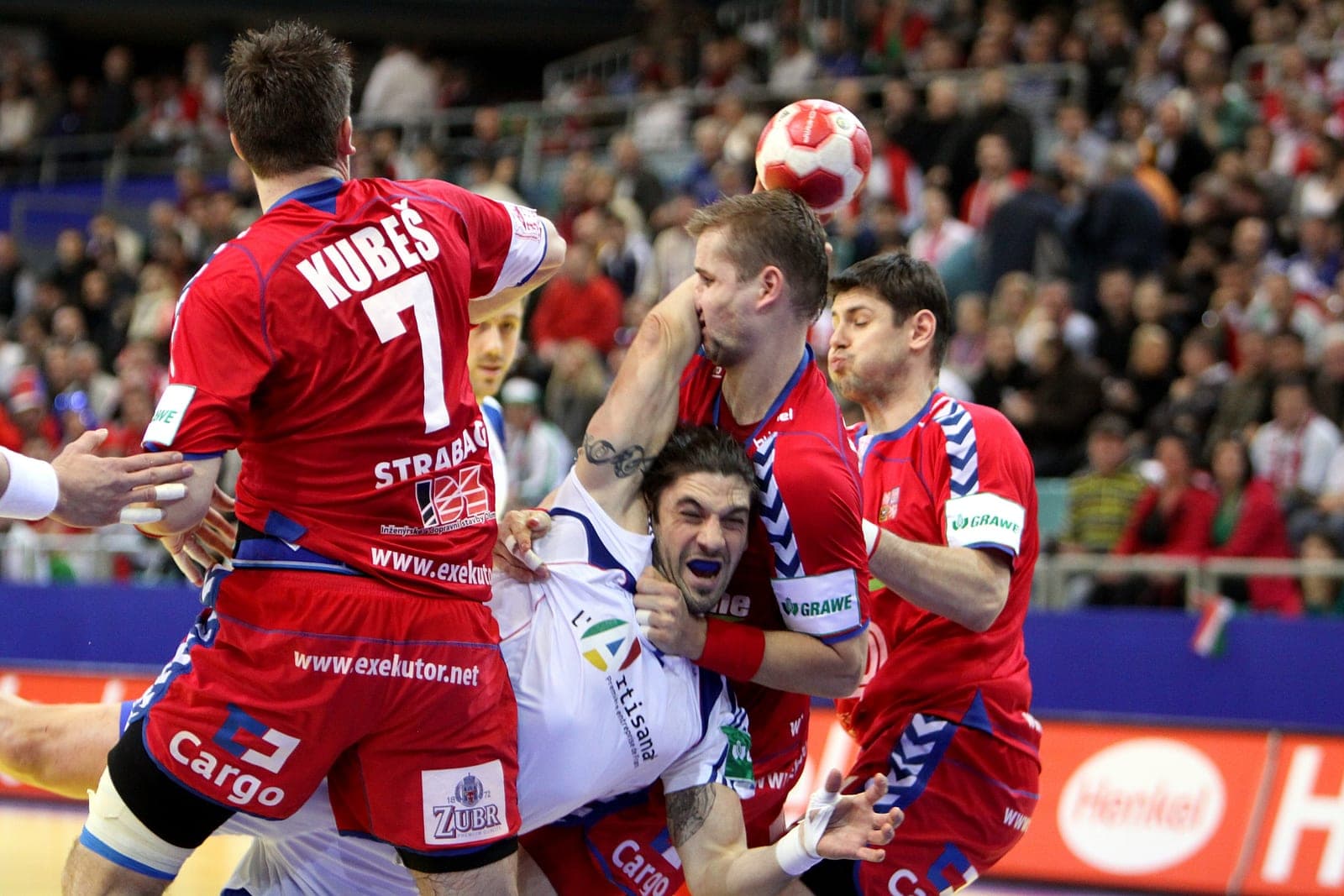
Handball
A fast indoor team sport of passing, jumping and throwing to score with the hands.
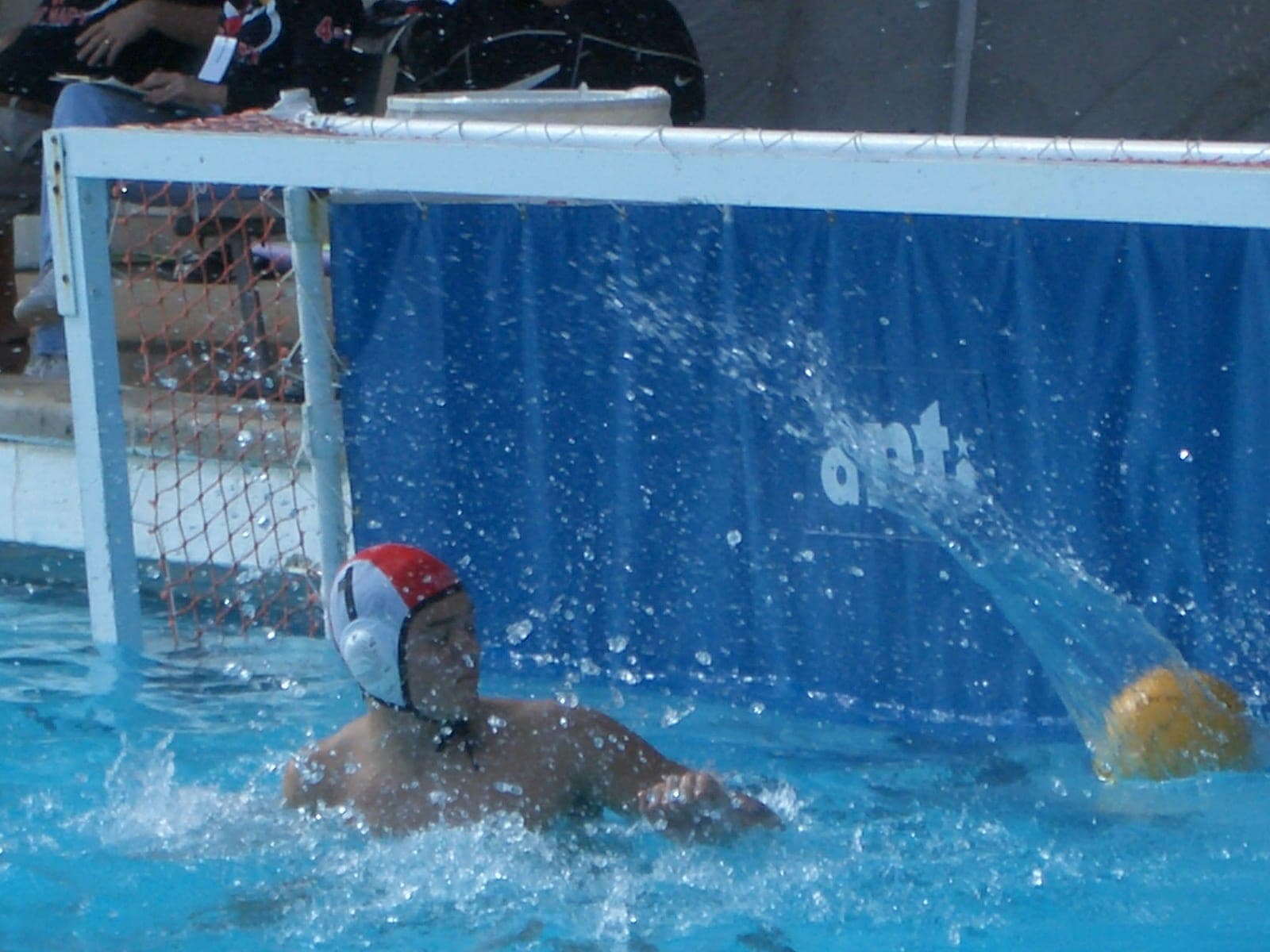
Water Polo
A demanding team sport played in deep water, blending swimming endurance with tactics.
How it connects
The meaning-bearing relationships that place Zone defence in the wider knowledge graph — each one with the reason it exists.
Commonly confused with
Close enough to be mixed up — the distinction is worth knowing.
Explore across the knowledge base
Follow the threads that connect Zone defence to the rest of SocialSportHub.
Tactics
- Zone defenceA defensive system where each player guards an area of the court rather than a specific opponent.
- Man-to-man markingA defensive tactic where each defender is assigned a specific opponent to track and contain.
- Full-court pressAn aggressive basketball defence that pressures the ball across the whole court to force turnovers.
Positions
- Defensive midfielderA defensive midfielder sits in front of the defence, breaking up opposition attacks and shielding the back line.
- Power forwardThe power forward plays near the basket in basketball, using strength to rebound, score inside, and defend the paint.
- CenterThe center is usually the tallest player on a basketball team, playing near the basket to score inside, rebound, and protect the rim.
Go deeper with Zone defence
Everywhere else on the platform that covers Zone defence — assembled from what actually references it, so nothing here is a dead end.
Take it away
Open data and the whole-platform view of this subject.
How this page is maintained
- Content type
- Term
- Provenance
- Tier A — evergreen educational
- Verified external sources
- 0
- Content updated
- 2026-09-01
Evergreen, first-party explanation — it makes no claim that needs an external source. How we handle sources and reviews.