
For a personal challenge
When you play to set and reach goals, sports with visible progress and clear milestones give you something concrete to work towards.
Overview
Some people are driven less by beating others than by beating their own previous best — running further, lifting more, mastering a skill, reaching a milestone they set themselves. When personal achievement is the motivation, the best sports are ones where progress is visible and you can keep setting the next target.
A clear, self-set goal gives training direction and makes each improvement feel earned. Distance events, skill progressions and strength milestones all offer a ladder of achievements to climb, entirely at your own pace.
What to look for
- Beating your own best is a powerful, self-contained motivation.
- Sports with visible progress make each milestone feel earned.
- A clear personal goal gives training direction and purpose.
- You set the pace — the challenge is always against yourself.
Getting started
- 1Set one specific, personal goal that feels meaningful to you.
- 2Choose a sport where you can measure progress towards it.
- 3Break the goal into smaller milestones you can tick off.
- 4Track progress simply so improvement is visible.
Sports that deliver it
Great places to start — each with a clear, beginner-friendly guide.

Running
The most accessible endurance sport — no venue, just shoes and the open road or trail.
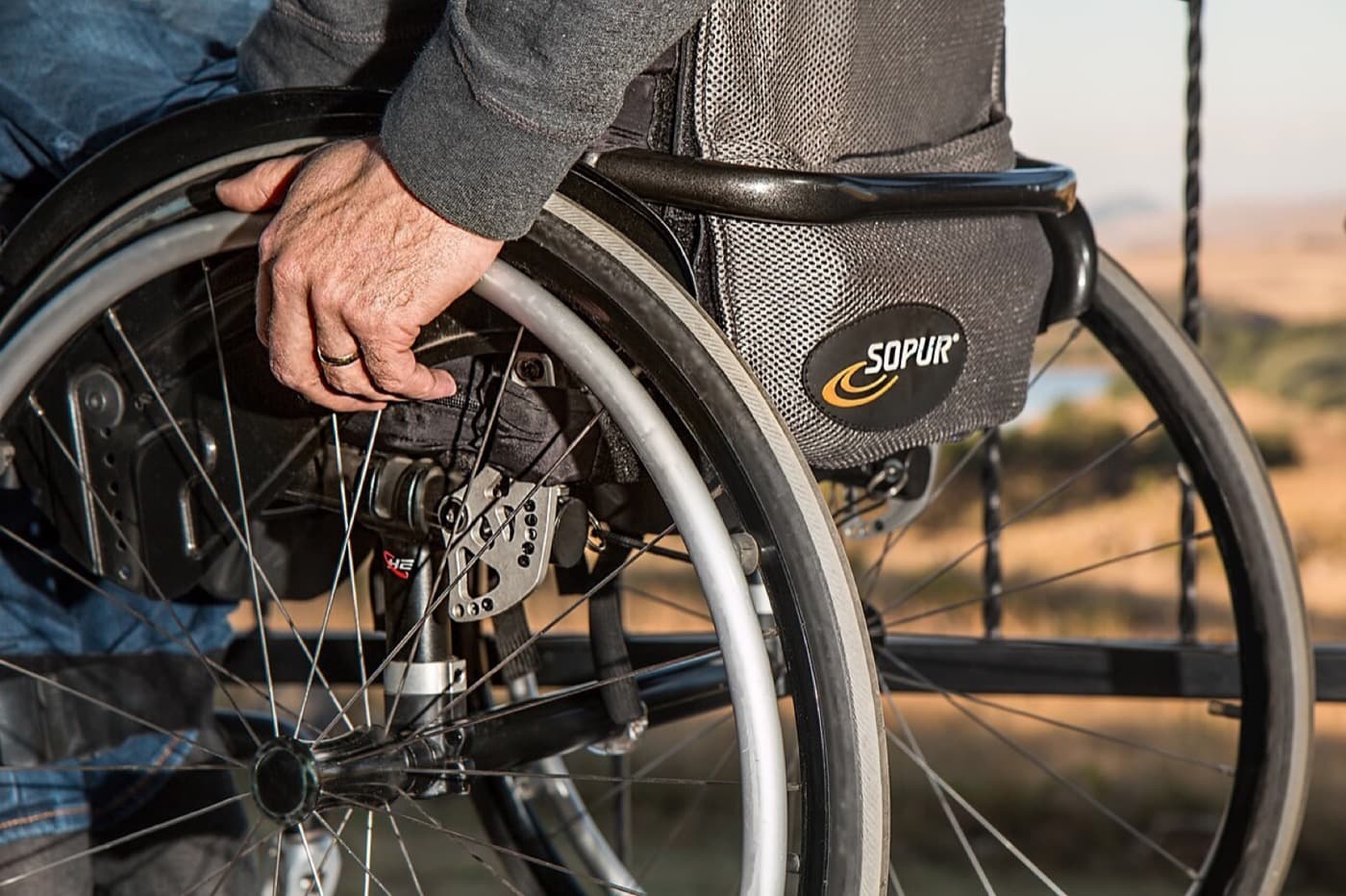
Cycling
A low-impact endurance sport that doubles as transport, exercise and adventure.
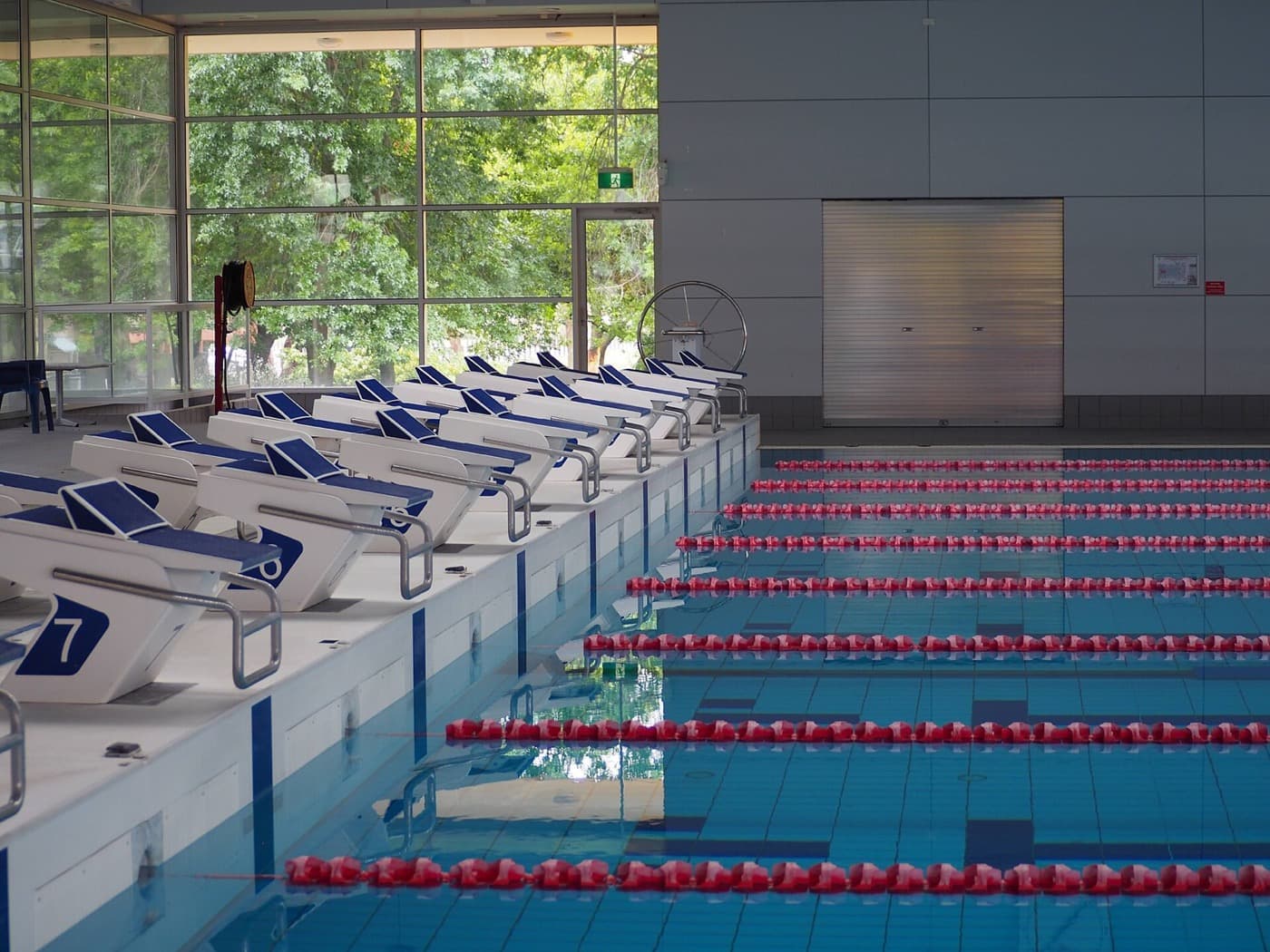
Swimming
A full-body, low-impact endurance sport suitable for almost every age and ability.

Fitness
Strength and general fitness training — the foundation that supports every other sport.
Goals that fit
Improve fitness
Build well-rounded fitness — stamina, strength and more — through regular, varied activity you can keep up.
Build confidence
Use sport and steady progress to feel more capable, comfortable and self-assured over time.
Discipline
Build consistency, focus and self-discipline through the routines that sport and training encourage.
Build muscle
Challenge your muscles with regular resistance training and steady recovery to build strength over time.
Build an active lifestyle
Make movement a natural, lasting part of daily life through activities and habits you genuinely enjoy.
Ways to train
Exercises and methods that fit — educational, not a prescription.
Wall sit
A holding exercise where you sit against a wall with no chair, holding a squat position still.
Step-up
A movement where you step up onto a raised platform one leg at a time and step back down.
Kettlebell swing
A dynamic hinge where you swing a kettlebell to shoulder height using a snap of the hips.
Push-up
A classic upper-body pushing exercise where you lower and press your body up from the floor.
Tricep dip
A pushing exercise where you lower and raise your body using your arms on parallel bars or a bench.
Pull-up
A vertical pulling exercise where you hang from a bar and pull your chin above it.
Frequently asked questions
What sports are good for setting personal goals?
Sports where progress is easy to measure — running, cycling, swimming and strength training — suit a personal-challenge motivation, because you can always set the next milestone. Breaking a big goal into smaller steps keeps the sense of achievement coming.
Explore across the knowledge base
Follow the threads that connect For a personal challenge to the rest of SocialSportHub.
Barriers
Experience levels
Coaching concepts
- Goal-Setting for PracticeSetting clear practice goals directs effort and makes progress visible — separating results-based outcome goals from controllable process goals.
- ProgressionBuilding skill and training load in gradual, manageable steps so each stage prepares the next, moving from simple to complex and easy to hard.
Scoring systems
- How fitness progress is trackedGeneral fitness has no formal scoring, so progress is tracked through measurable markers such as repetitions, load, time, distance and personal bests.
- Football (soccer) scoringFootball is scored by goals, with each goal worth one point and the team scoring the most goals winning the match.
Practice & sessions
How this page is maintained
- Content type
- Your why
- Provenance
- Tier A — evergreen educational
- Verified external sources
- 0
- Content updated
- 2026-07-09
Evergreen, first-party explanation — it makes no claim that needs an external source. How we handle sources and reviews.