
Improve agility
Change direction quickly and under control — the quality behind stopping, turning and accelerating again without losing balance.
How sport helps
Agility is the ability to change direction quickly and keep control while you do it. It sits between speed, balance and coordination rather than being any one of them: sprinting in a straight line is speed, but stopping, turning and accelerating again is agility.
It is trained mostly by doing it. Sports that constantly ask you to react and reposition build agility as a by-product of play, which is why people usually improve faster in a sport they enjoy than through drills alone.
- Court and field sports demand repeated stops, turns and changes of direction, so the quality is trained every time you play.
- Reacting to a ball, a shuttle or an opponent adds the decision element that separates agility from simple footwork.
- Short, sharp efforts with natural recovery between them are how most agility work happens in practice.
- Better control when changing direction tends to make everyday movement — turning, stepping aside, catching your balance — feel steadier too.
Getting started
- 1Pick a sport that makes you move in every direction rather than one that only goes forwards.
- 2Warm up properly before anything sharp; agility work asks a lot of ankles, knees and hips when they are cold.
- 3Start with slower, controlled changes of direction and build speed as the movement becomes comfortable.
- 4Keep sessions short and well spaced — this is quality work, and it fades quickly when you are tired.
Good sports for this goal
Great places to start — each with a clear, beginner-friendly guide.
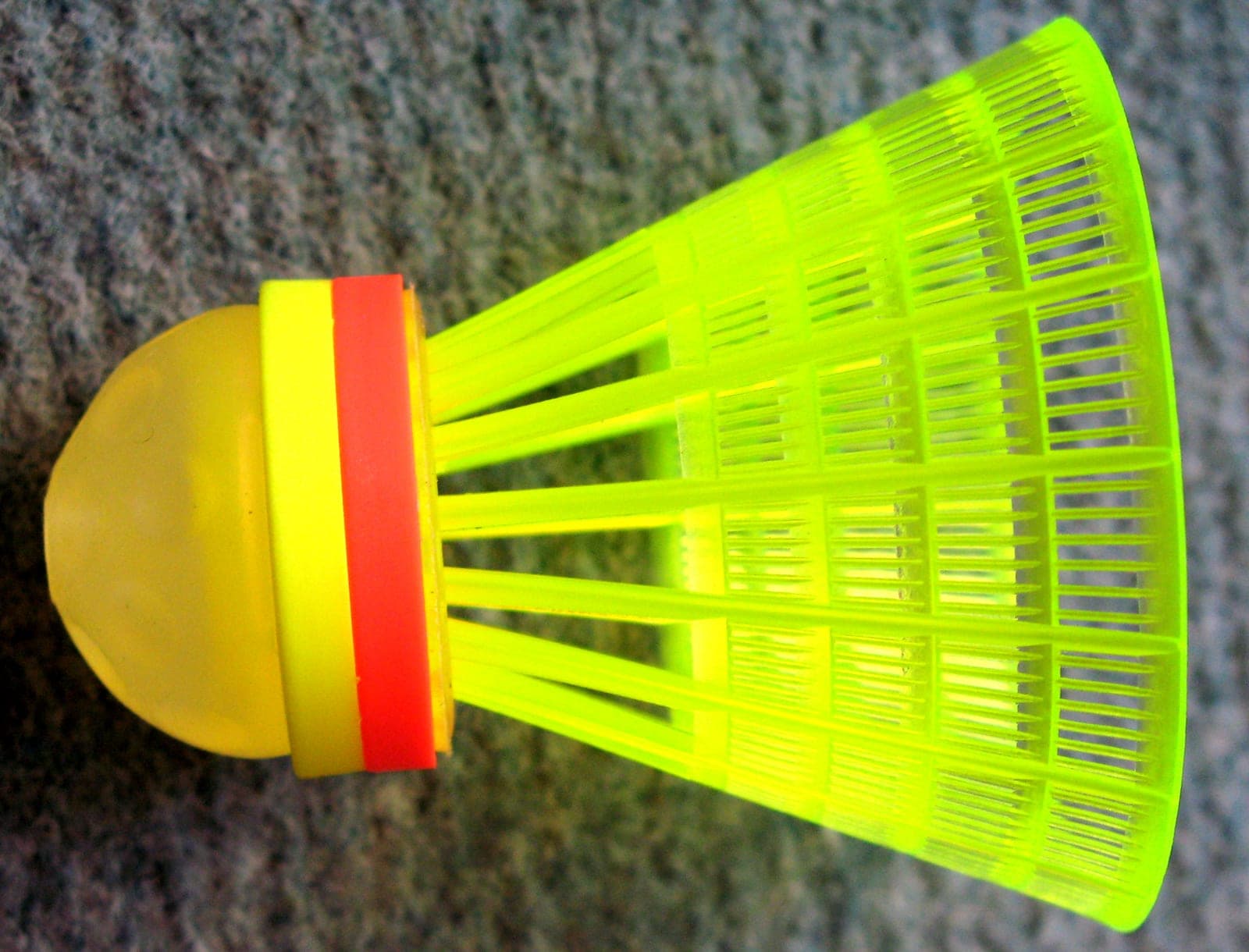
Badminton
A fast indoor racquet sport played with a shuttlecock that rewards agility and touch.
Squash
A fast, high-intensity indoor racquet sport played inside an enclosed court where the walls stay in play.
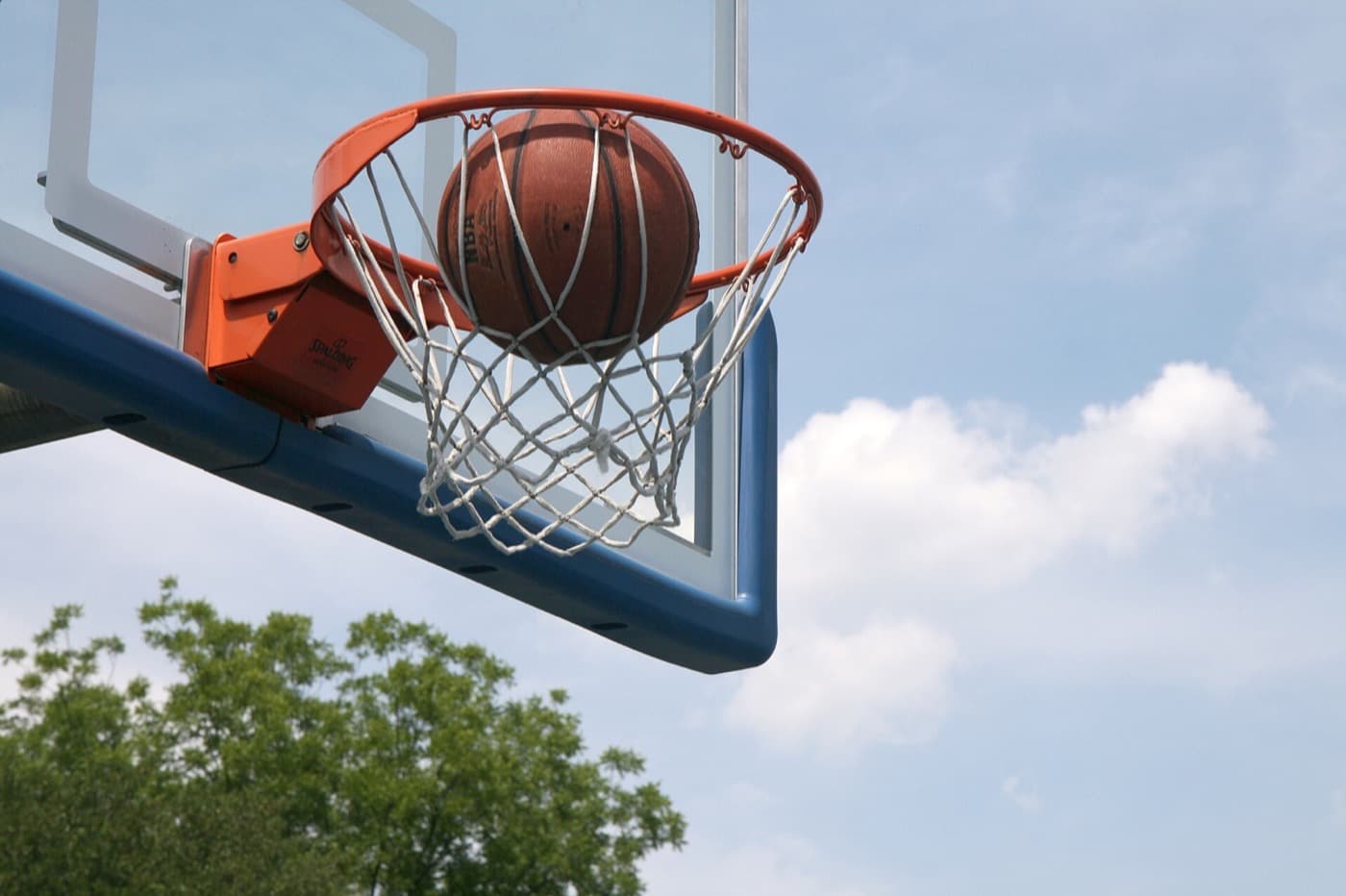
Basketball
A fast, dynamic team sport of running, jumping and quick decisions on court.
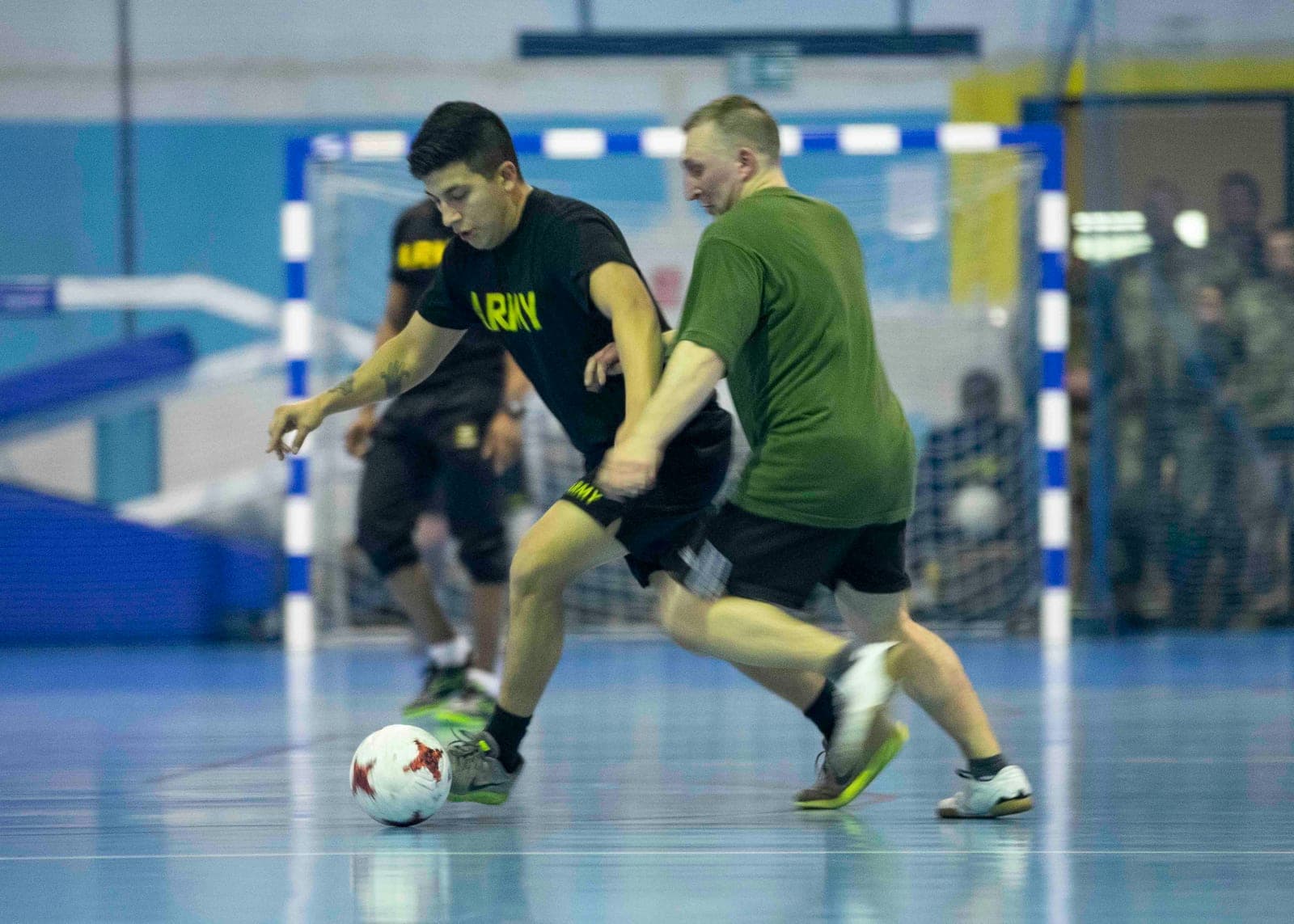
Futsal
A fast, small-sided indoor form of football played on a hard court with a low-bounce ball.
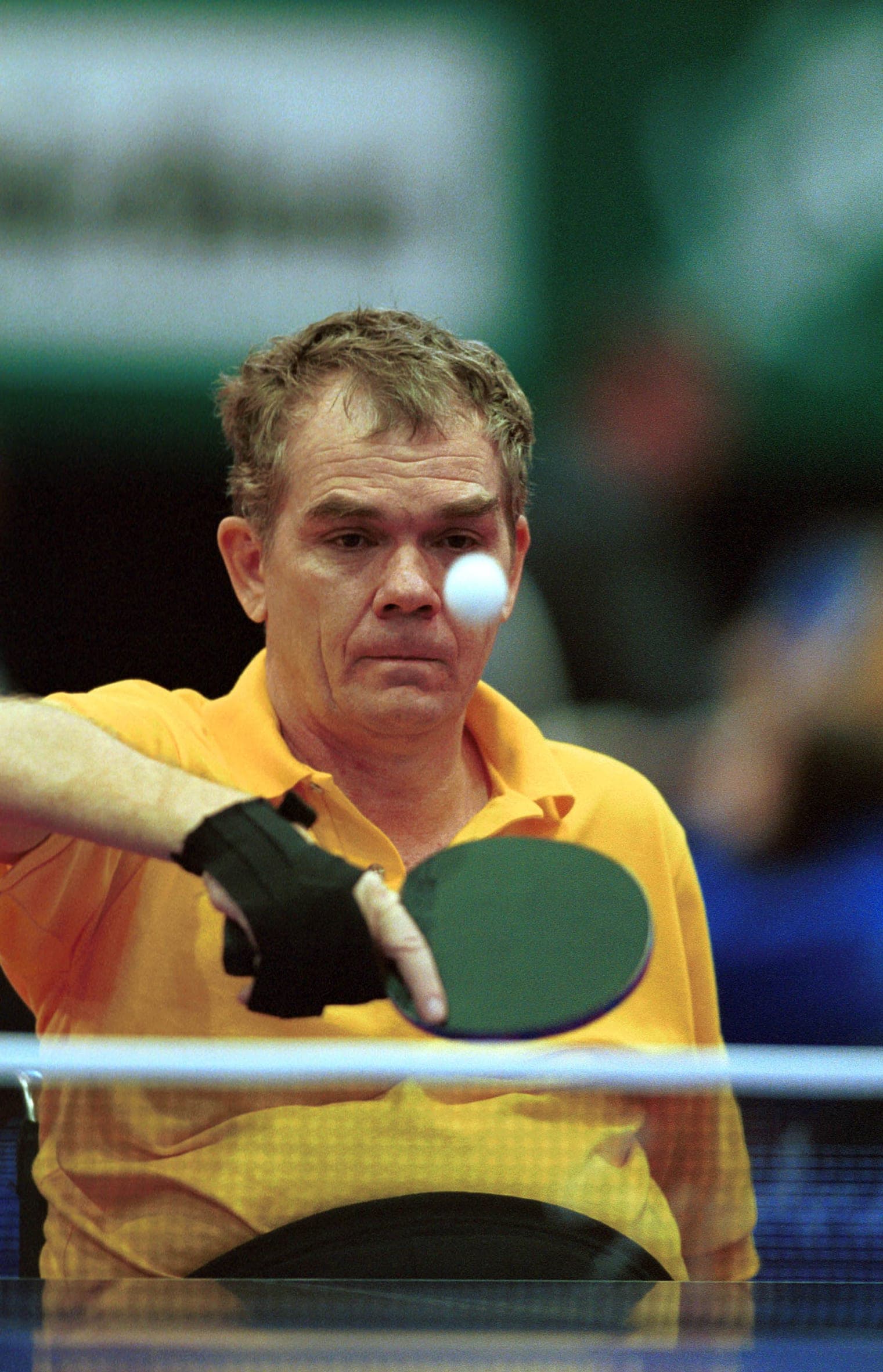
Table Tennis
A fast, low-impact indoor racquet sport that sharpens reflexes and is easy to start.
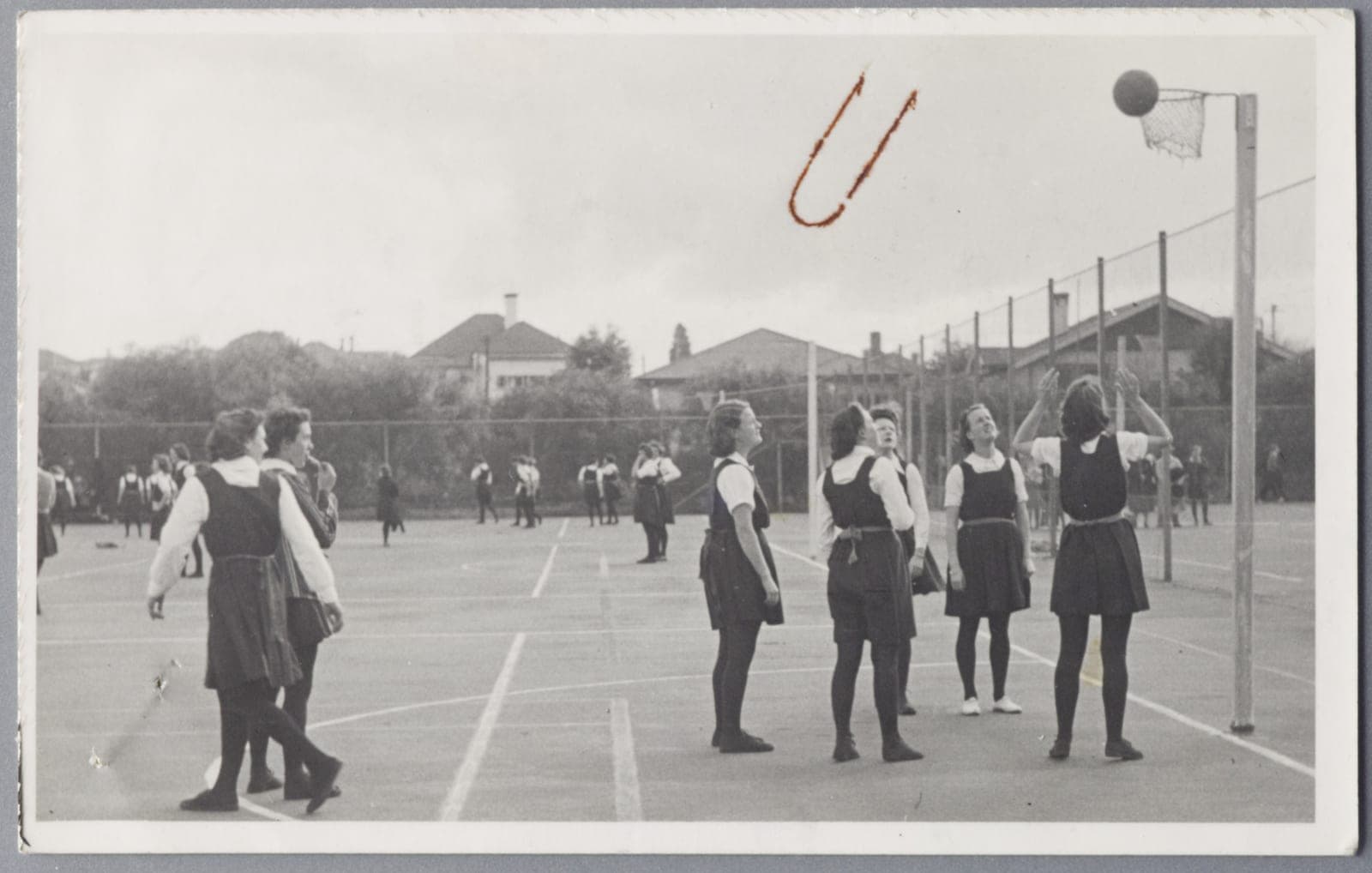
Netball
A non-contact, position-based team sport of quick passing and accurate shooting.
Also fits this goal
Sports beyond the shortlist above that genuinely serve this goal, each with the reason it does and what it costs you. These are editorial judgements about how a sport is typically played, not source-verified facts.
- Strong fitBouldering
Route reading and weight shifts make it a whole-body problem of moving precisely rather than forcefully.
What it costs you: It is hard on fingers and elbows early on, and it rewards restraint — most beginner injuries come from climbing too much too soon.
- Strong fitCapoeira
The whole exchange is continuous movement — ducking, spinning, inverting and changing direction to answer what the other player does.
What it costs you: The inversions and low movements ask a lot of the wrists, shoulders and hips, and build up slowly.
- Strong fitField Hockey
Play changes direction constantly and the ball moves faster than the players, so repositioning and turning are continuous.
What it costs you: Much of it is played in a low crouch, which is demanding on the back and takes getting used to.
- Strong fitHandball
Attacking is built on quick changes of direction to create a yard of space, repeated for the length of a game.
What it costs you: Jumping and landing are central to how it is played, and it needs a club with indoor court time.
- Situational fitLacrosse
Dodging, cutting and repositioning while cradling a ball in a stick trains change of direction under a constant secondary task.
What it costs you: Stick skills take weeks before the running game is enjoyable, so the agility benefit arrives after the technical one.
- Strong fitRacquetball
The ball comes off four walls, so you are repositioning and changing direction continuously rather than covering a predictable court.
What it costs you: It needs a dedicated enclosed court and one other player, which is the limiting factor almost everywhere.
- Strong fitTaekwondo
The kicking technique is built on fast changes of stance, direction and height, repeated throughout a session.
What it costs you: It asks a lot of hip mobility from the start, and that takes time to build.
Train for it
Exercises and methods that build what this goal needs — educational, not a prescription.
Plyometrics
Plyometrics are jumping and bounding drills that train muscles to produce force quickly, developing power and springiness through explosive movement.
Squat
A foundational lower-body movement where you bend at the hips and knees to lower down and stand back up.
Goblet squat
A squat variation where you hold a single weight close to your chest for balance and control.
Lunge
A single-leg movement where you step forward and bend both knees to lower your body.
Bulgarian split squat
A single-leg squat where the back foot is raised on a bench behind you.
Step-up
A movement where you step up onto a raised platform one leg at a time and step back down.
Frequently asked questions
What is the difference between agility and speed?
Speed is how fast you move in one direction. Agility is how well you change direction — decelerating, turning and accelerating again under control. A fast runner is not automatically agile, and court sports tend to build agility far more than straight-line running does.
Which sports build agility best?
Ones that make you react and reposition constantly: badminton, squash, basketball, futsal, netball and table tennis all demand repeated changes of direction in response to something moving. The reacting matters as much as the footwork.
Can agility be improved at any age?
People generally improve at whatever they practise, and agility responds to being trained like other qualities. Warm up thoroughly, build up gradually rather than going straight to sharp changes of direction, and speak to a clinician if you have any reason to be cautious.
Related goals
Improve coordination
Sharpen how smoothly your body works together — like tracking and hitting a ball — through skill practice.
Improve balance
Train steadiness and control at any age with simple, progressive balance practice done safely.
Improve reaction speed
Respond faster to what you see, hear and feel by training with fast, unpredictable activities and drills.
Improve fitness
Build well-rounded fitness — stamina, strength and more — through regular, varied activity you can keep up.
How it connects
The meaning-bearing relationships that place Improve agility in the wider knowledge graph — each one with the reason it exists.
Achieved through
Routes people take towards this goal.
- BadmintonBadminton is one of the sports listed under the “Improve agility” goal.
- SquashSquash is one of the sports listed under the “Improve agility” goal.
- BasketballBasketball is one of the sports listed under the “Improve agility” goal.
- FutsalFutsal is one of the sports listed under the “Improve agility” goal.
- Table TennisTable Tennis is one of the sports listed under the “Improve agility” goal.
Explore across the knowledge base
Follow the threads that connect Improve agility to the rest of SocialSportHub.
Skills Academy
How this page is maintained
- Content type
- Life goal
- Provenance
- Tier A — evergreen educational
- Verified external sources
- 0
- Content updated
- 2026-09-22
Evergreen, first-party explanation — it makes no claim that needs an external source. How we handle sources and reviews.