
Bent-over row
A pulling exercise where you hinge forward and row a weight toward your torso.
Overview
The bent-over row is a horizontal pulling exercise using free weights. You hinge forward at the hips with the back long, let the weight hang, and pull it toward your torso by driving the elbows back, then lower it under control. It builds the muscles of the upper and mid back along with the arms.
It can be done with a barbell or dumbbells, and holding the hinged position also asks the back and core to stay braced. Learning a solid hip hinge first makes the rowing position easier to hold.
The movement
- 1Hinge forward at the hips with your back long and knees softly bent.
- 2Let the weight hang beneath your shoulders.
- 3Pull the weight toward your torso by driving your elbows back.
- 4Lower it under control until your arms are straight.
Beginner notes
- A solid hip hinge holds the torso steady while the arms row.
- The elbows drive back and the weight travels toward the belly or lower ribs.
- Dumbbells let you row one arm at a time if preferred.
A note on training information
Where it’s used
Sports this relates to:
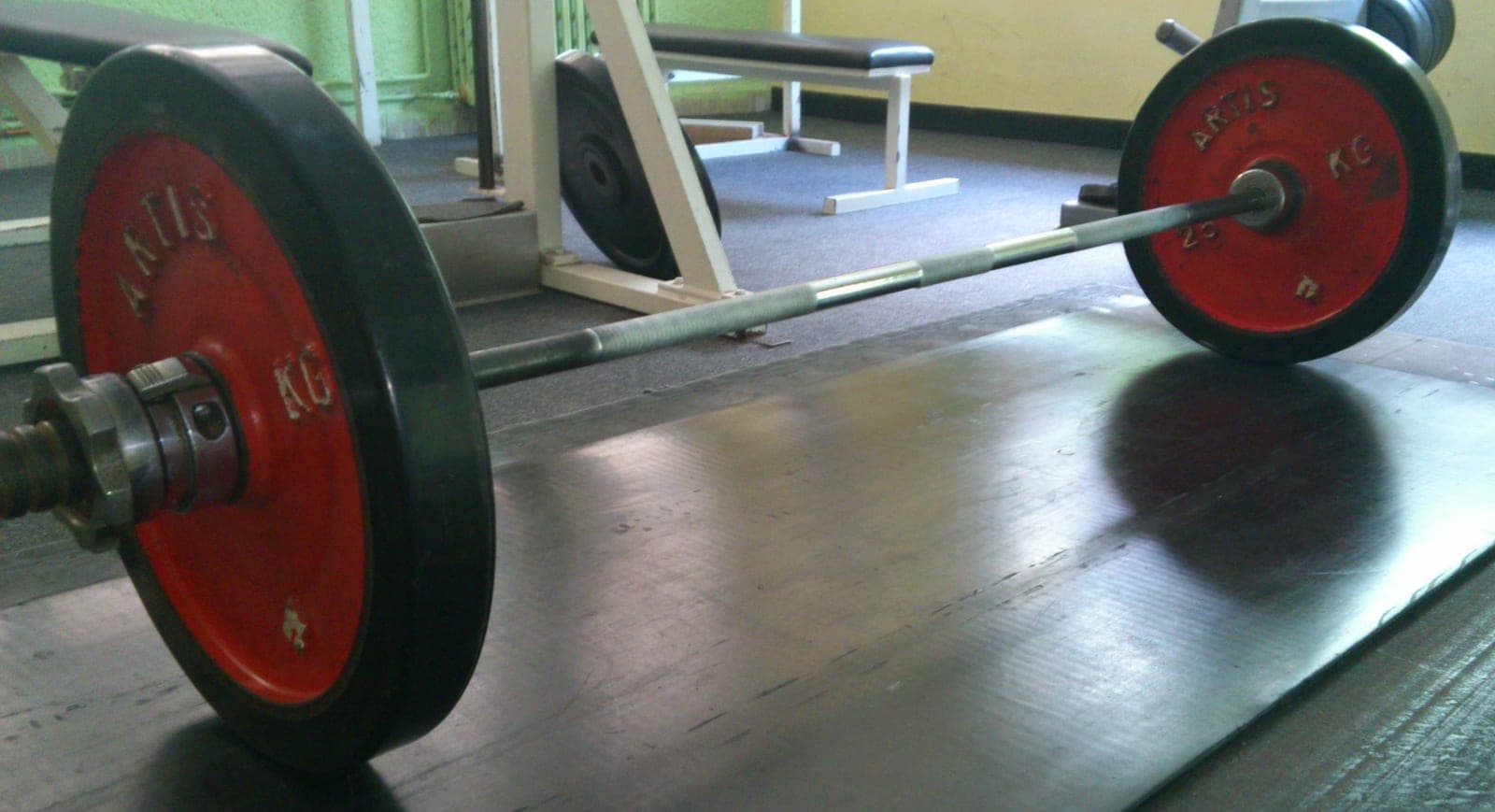
Weightlifting
A technical strength sport built around lifting a loaded barbell overhead with speed and control.
Bodybuilding
Resistance training focused on building muscle size, symmetry and definition through consistent effort.
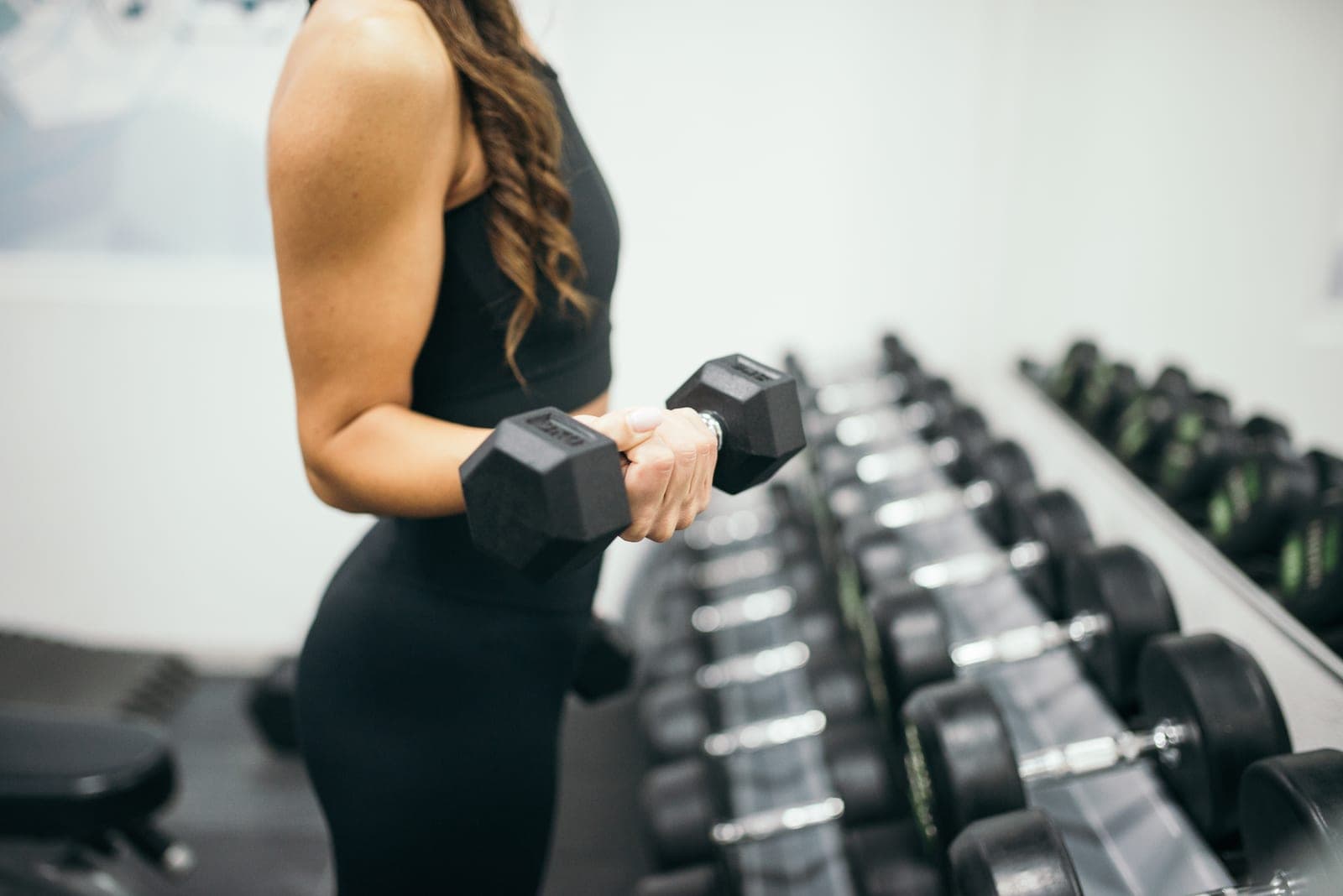
Fitness
Strength and general fitness training — the foundation that supports every other sport.
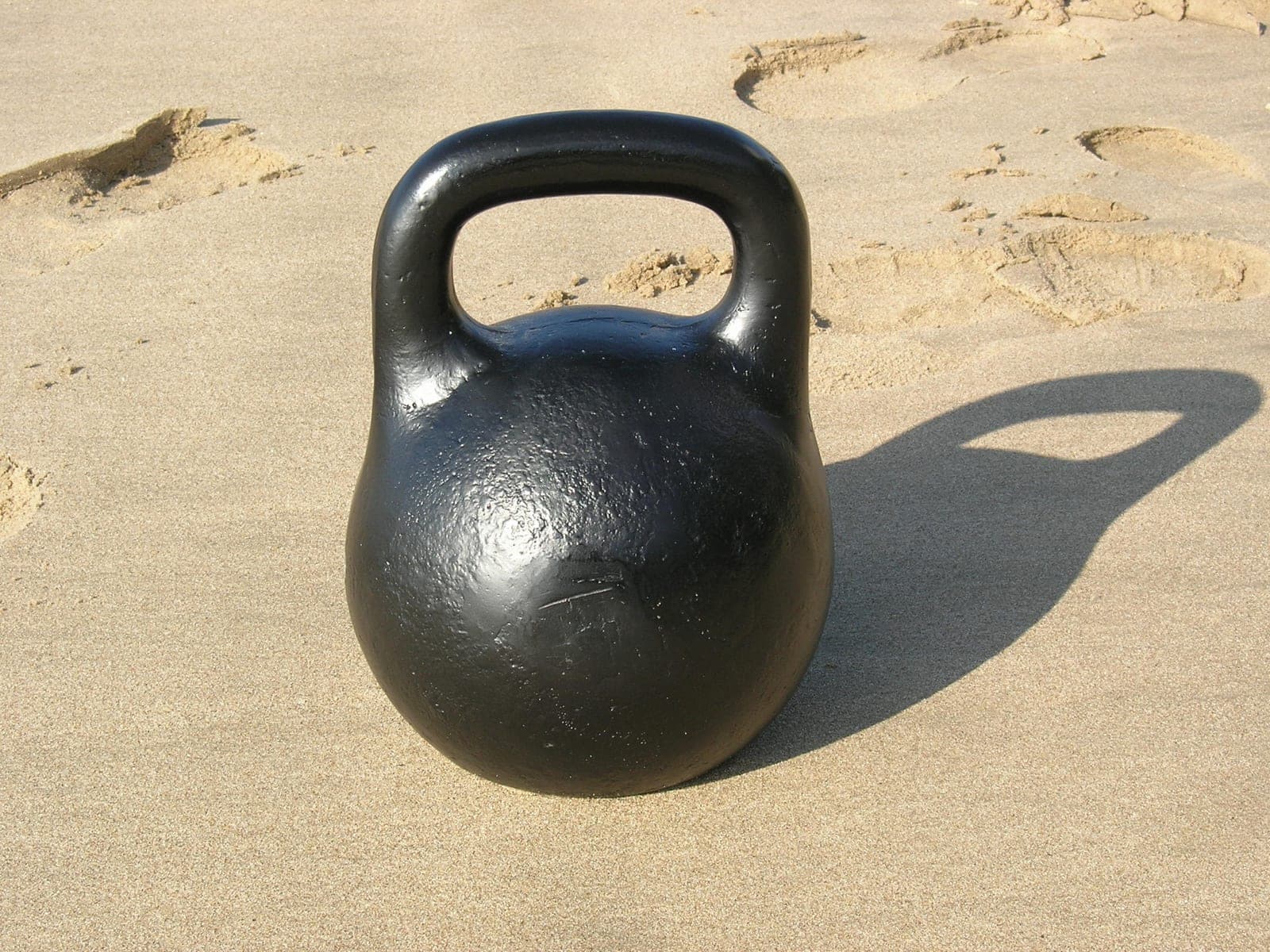
Functional Fitness
Varied, whole-body training built around everyday movement patterns like squatting, lifting and carrying.
Related exercises
Squat
A foundational lower-body movement where you bend at the hips and knees to lower down and stand back up.
Goblet squat
A squat variation where you hold a single weight close to your chest for balance and control.
Jump squat
An explosive squat variation where you spring off the floor at the top of the movement.
Explore across the knowledge base
Follow the threads that connect Bent-over row to the rest of SocialSportHub.
Movement patterns
- PullDrawing a load or your own body toward the torso — horizontal rows and vertical pull-ups — building the lats, mid-back and biceps and balancing the push.
- CatchReceiving a moving object and securing it under control, absorbing its momentum by yielding along its path so kinetic energy is dissipated rather than rebounded away.
- HingeA hip-dominant pattern: bend forward at the hips with a flat back, minimal knee bend, then drive the hips tall — powers pulling from the floor and jumping.
- SquatA knee-dominant pattern: bending the hips, knees and ankles to lower and rise while keeping the torso upright — the foundation of lower-body strength.
Positions
- HookerThe hooker is a front-row forward in rugby who wins the ball in the scrum and typically throws the ball into the line-out.
- Rugby union forwardsThe eight players who contest the set piece — front row, locks and back row — what each unit does at scrum, lineout and breakdown, and why the roles are so specialised.
Goals
- Lose weightCombine regular, enjoyable movement with balanced habits to work toward a healthier weight in a way that lasts.
- Build muscleChallenge your muscles with regular resistance training and steady recovery to build strength over time.
- Improve flexibilityLengthen your muscles and widen your range of motion through regular, gentle stretching over time.
Movement comparisons
- Hinge vs LungeHinge vs Lunge: how these two movements differ, what they share, and how to tell them apart — from mechanics to the sports that use them.
- Hinge vs SquatHinge vs Squat: how these two movements differ, what they share, and how to tell them apart — from mechanics to the sports that use them.
- Pull vs PushPull vs Push: how these two movements differ, what they share, and how to tell them apart — from mechanics to the sports that use them.
Techniques
- DeadliftA strength exercise that lifts a loaded barbell from the floor to a standing position by extending the hips and knees together.
- LayupA close-range basketball shot taken while moving toward the basket, laying the ball softly off the backboard or over the rim.
- Ice hockey shootingThe four shots hockey is scored with — wrist shot, snap shot, slap shot and backhand — how each trades power against release time, and why the stick is bent on purpose.
Go deeper with Bent-over row
Everywhere else on the platform that covers Bent-over row — assembled from what actually references it, so nothing here is a dead end.
Take it away
Open data and the whole-platform view of this subject.
How this page is maintained
- Content type
- Exercise
- Provenance
- Tier A — evergreen educational
- Verified external sources
- 0
- Content updated
- 2026-07-06
Evergreen, first-party explanation — it makes no claim that needs an external source. How we handle sources and reviews.