
Lower back
The muscles running along the base of the spine that keep the trunk upright and support bending and lifting.
Overview
The lower-back muscles include the erector spinae, a group running vertically along either side of the spine, together with deeper muscles close to the vertebrae. They span the lower half of the back.
Their main role is keeping the spine upright and extending the trunk — straightening up from a bent position — as well as resisting unwanted movement to hold the back steady during lifting and carrying.
Good to know
- Part of the core, working with the abs and obliques
- Central to everyday posture and to bending and lifting patterns
- Often trained through hip-hinge movements alongside the glutes and hamstrings
Where it’s used
Sports this relates to:
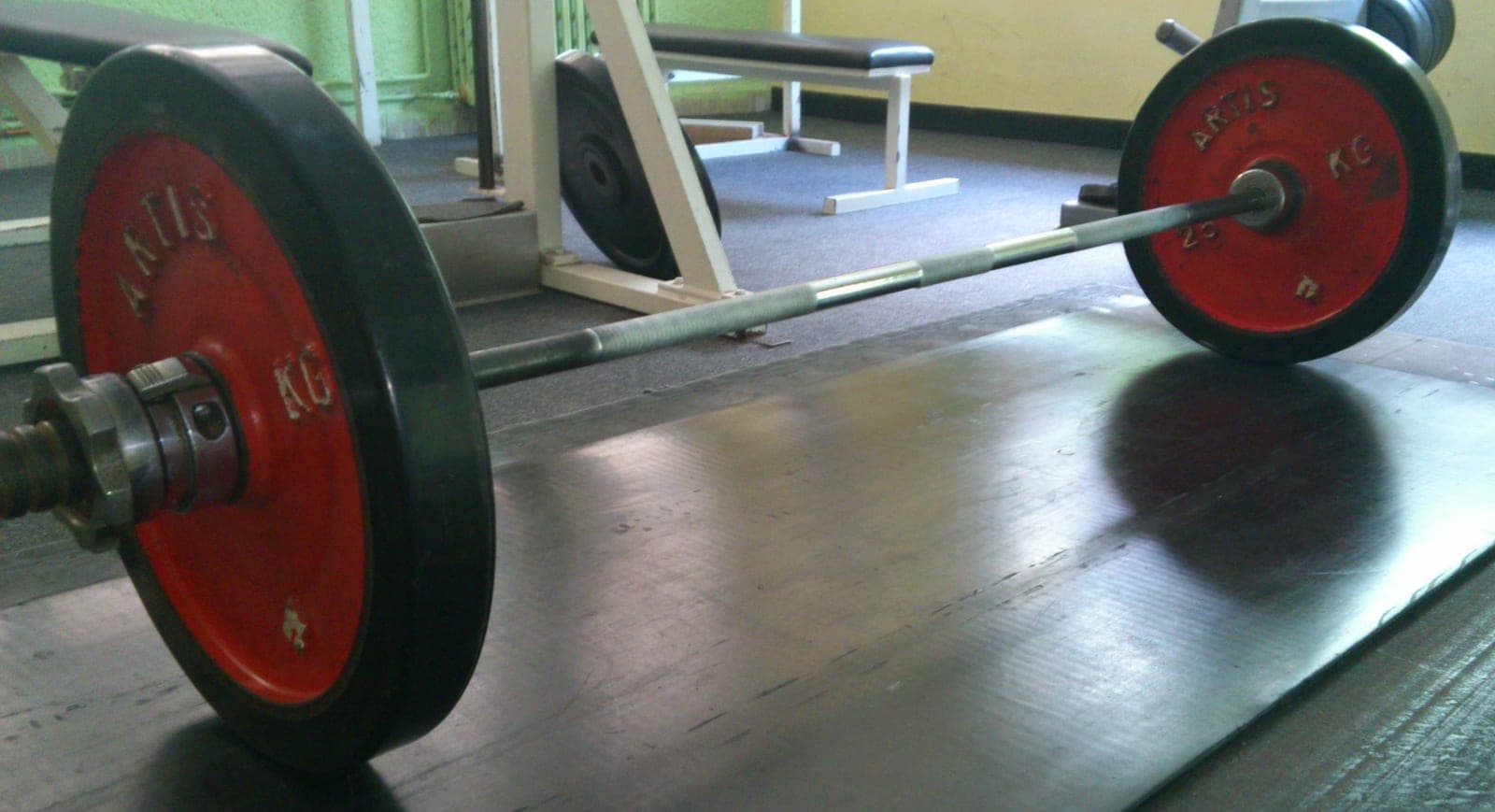
Weightlifting
A technical strength sport built around lifting a loaded barbell overhead with speed and control.
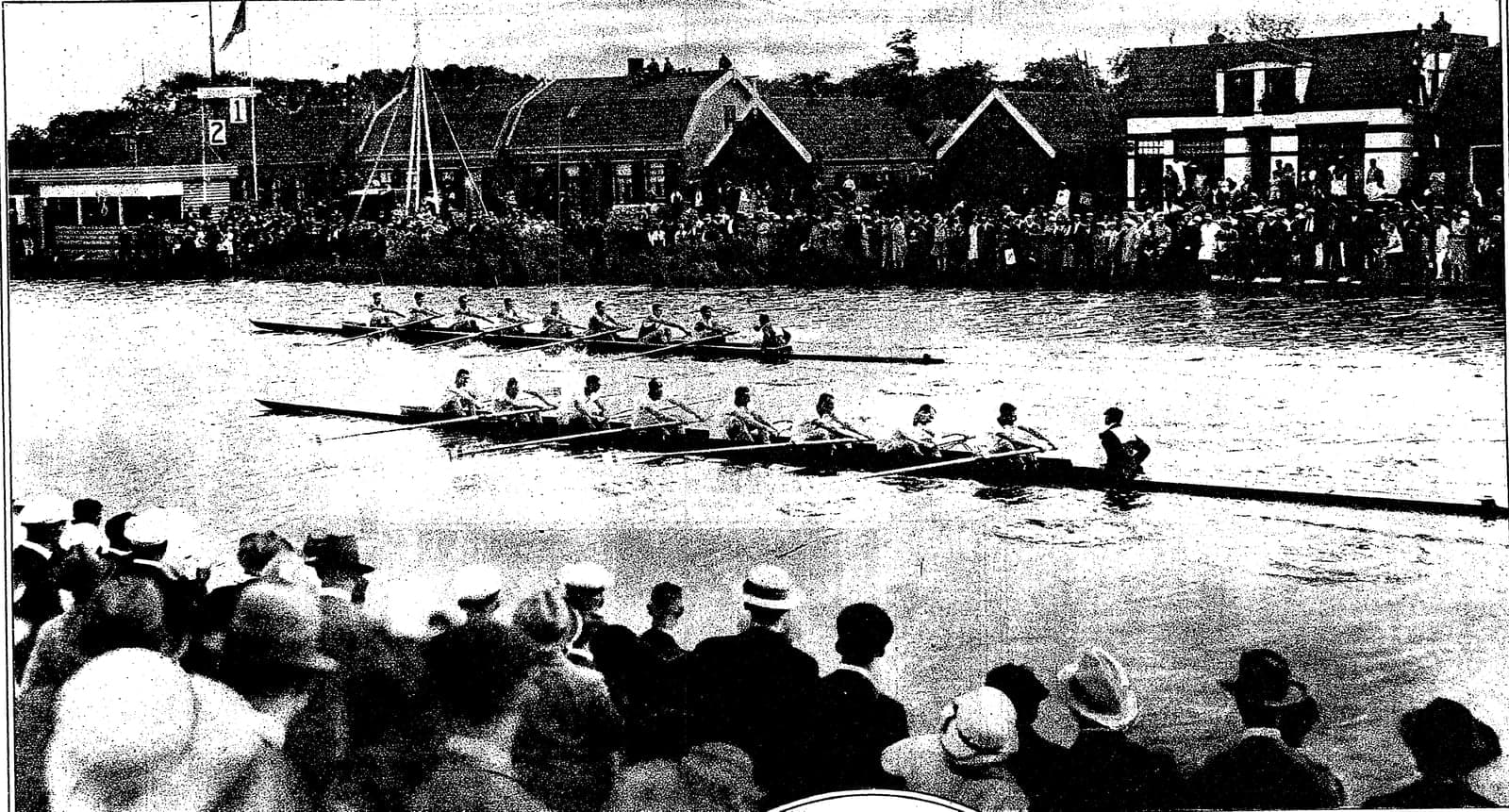
Rowing
A rhythmic, full-body endurance sport on the water or on an indoor machine.
Powerlifting
A strength sport focused on lifting the heaviest weight you can across the squat, bench press and deadlift.
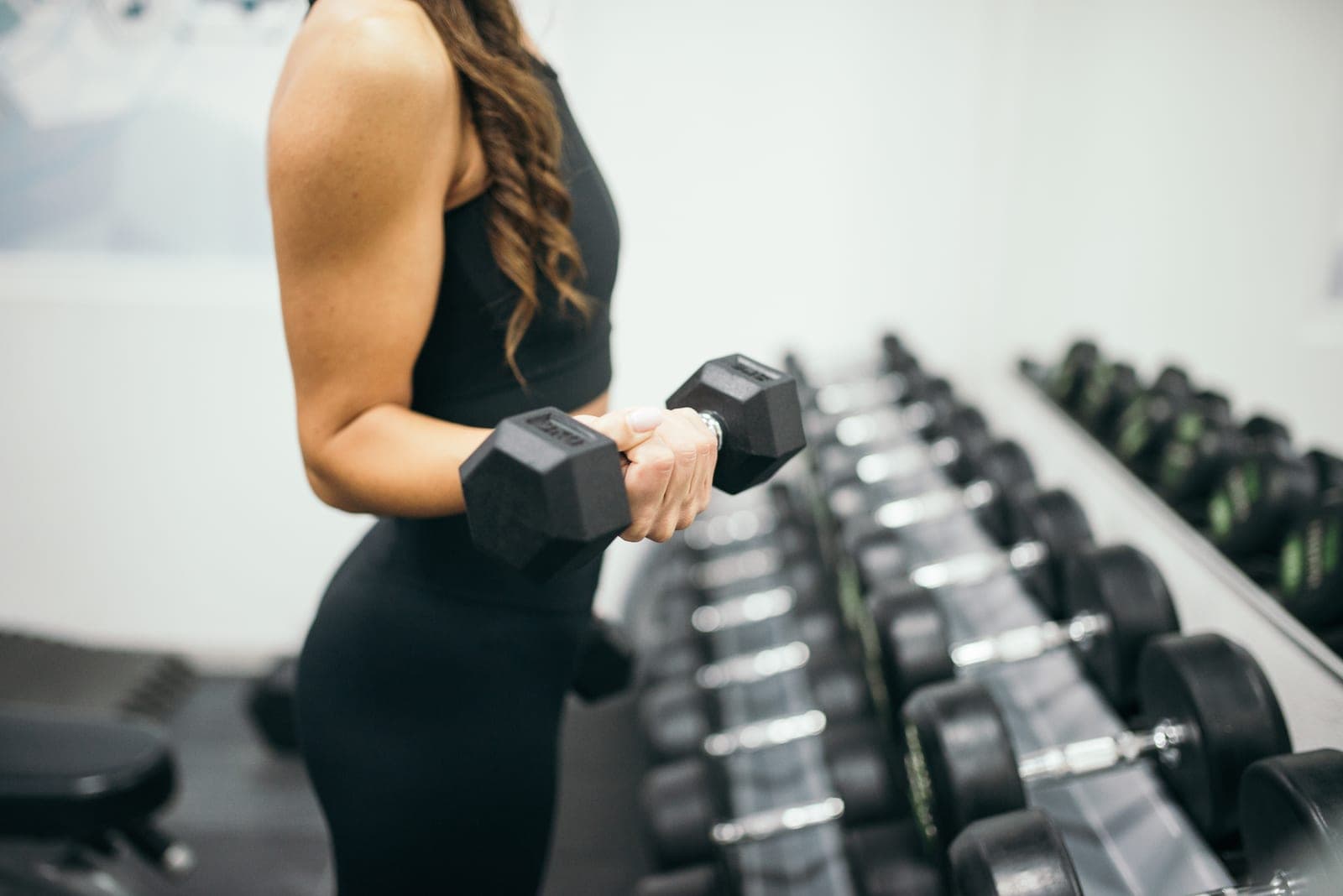
Fitness
Strength and general fitness training — the foundation that supports every other sport.
Exercises that work the lower back
Deadlift
A hinge movement where you lift a weight from the floor by driving your hips forward to stand tall.
Romanian deadlift
A hinge variation focused on the back of the legs, lowering the weight without returning it to the floor.
Hip hinge
The foundational bending-at-the-hips pattern that underpins deadlifts, swings and picking things up.
Glute bridge
A floor exercise where you lift your hips by squeezing your glutes with your feet planted.
Kettlebell swing
A dynamic hinge where you swing a kettlebell to shoulder height using a snap of the hips.
Bent-over row
A pulling exercise where you hinge forward and row a weight toward your torso.
Explore across the knowledge base
Follow the threads that connect Lower back to the rest of SocialSportHub.
Training methods
- Strength TrainingStrength training uses resistance — bodyweight, bands or weights — to challenge your muscles so they gradually adapt and get stronger over time.
- Mobility TrainingMobility training works on moving your joints actively through their full range, combining control and flexibility so movement feels free and easy.
- Flexibility TrainingFlexibility training uses stretching to gradually improve how far your muscles and joints can comfortably lengthen and move.
Movement patterns
- SquatA knee-dominant pattern: bending the hips, knees and ankles to lower and rise while keeping the torso upright — the foundation of lower-body strength.
- HingeA hip-dominant pattern: bend forward at the hips with a flat back, minimal knee bend, then drive the hips tall — powers pulling from the floor and jumping.
- RotationRotating the trunk to generate and transfer power through the body's kinetic chain, plus anti-rotation — resisting unwanted twist to keep the trunk stable.
- GlideGlide is continuous, low-resistance locomotion in which the body holds a streamlined shape so that momentum generated by a preceding propulsive action carries it smoothly across a surface or through a medium.
- SlideA slide is a controlled, low-friction skid of the body or foot along a surface, used to brake, extend reach, or hold a line, where managed friction and a lowered centre of gravity govern the movement.
Skills
Go deeper with Lower back
Everywhere else on the platform that covers Lower back — assembled from what actually references it, so nothing here is a dead end.
Take it away
Open data and the whole-platform view of this subject.
How this page is maintained
- Content type
- Muscle group
- Provenance
- Tier A — evergreen educational
- Verified external sources
- 0
- Content updated
- 2026-07-06
Evergreen, first-party explanation — it makes no claim that needs an external source. How we handle sources and reviews.