
Reaction Time
The interval between the appearance of a stimulus and the start of a deliberate movement made in response to it.
Definition
Reaction time is the delay between a signal, such as a starter's gun, a served ball or an opponent's feint, and the beginning of the athlete's response. It reflects how quickly the nervous system detects the stimulus, selects a response and initiates muscle activity, and is measured in fractions of a second.
Simple reaction time involves one signal and one response, while choice reaction time, more common in open sports, requires selecting among several possible responses and therefore takes longer. It is distinct from movement time, which is how long the action itself takes, and is sharpened through anticipation, reading cues, and repeated exposure to game situations.
Where you’ll hear “reaction time”
Sports that use this term:
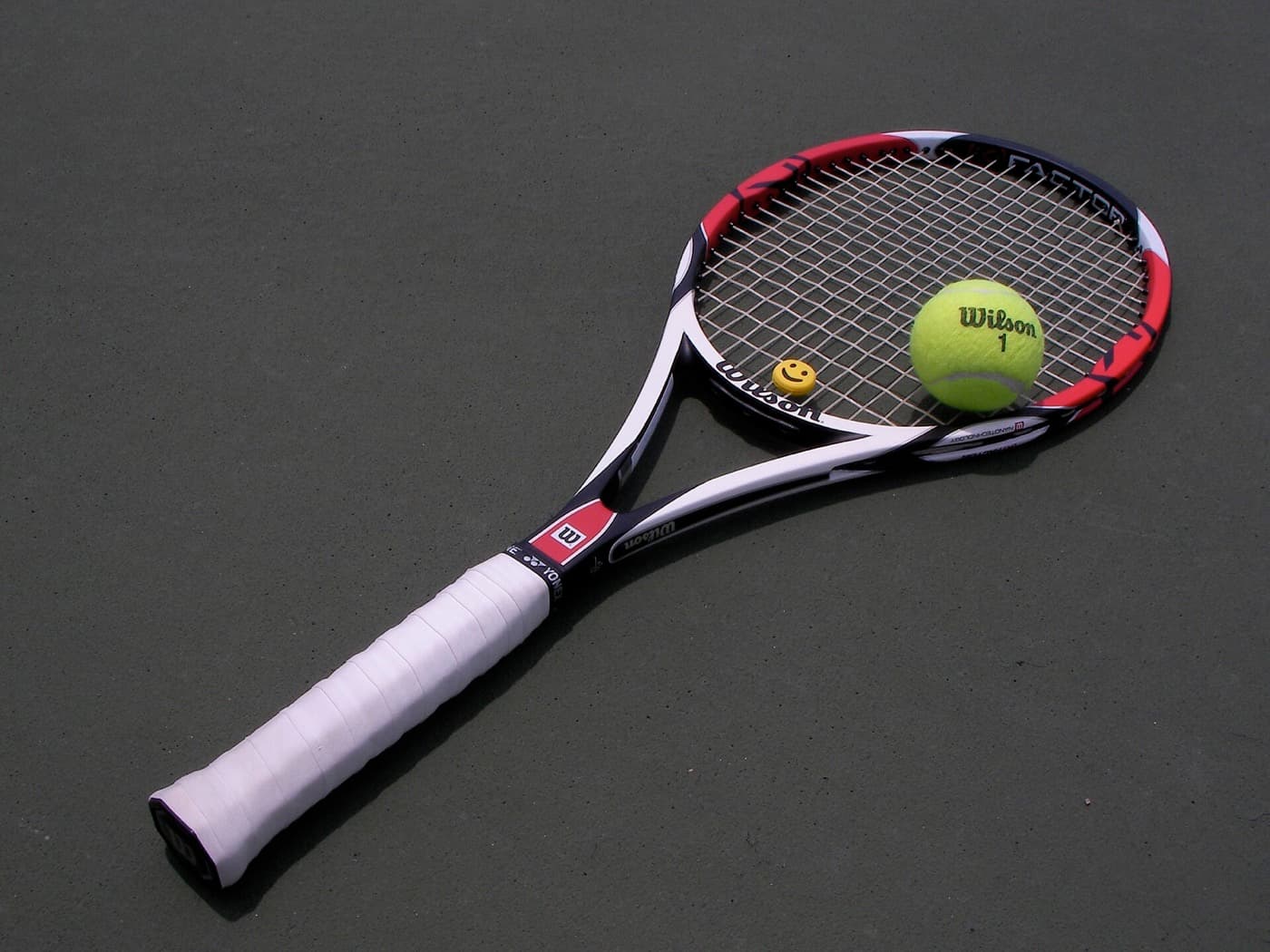
Tennis
A singles or doubles racquet sport that blends agility, strategy and stamina on court.
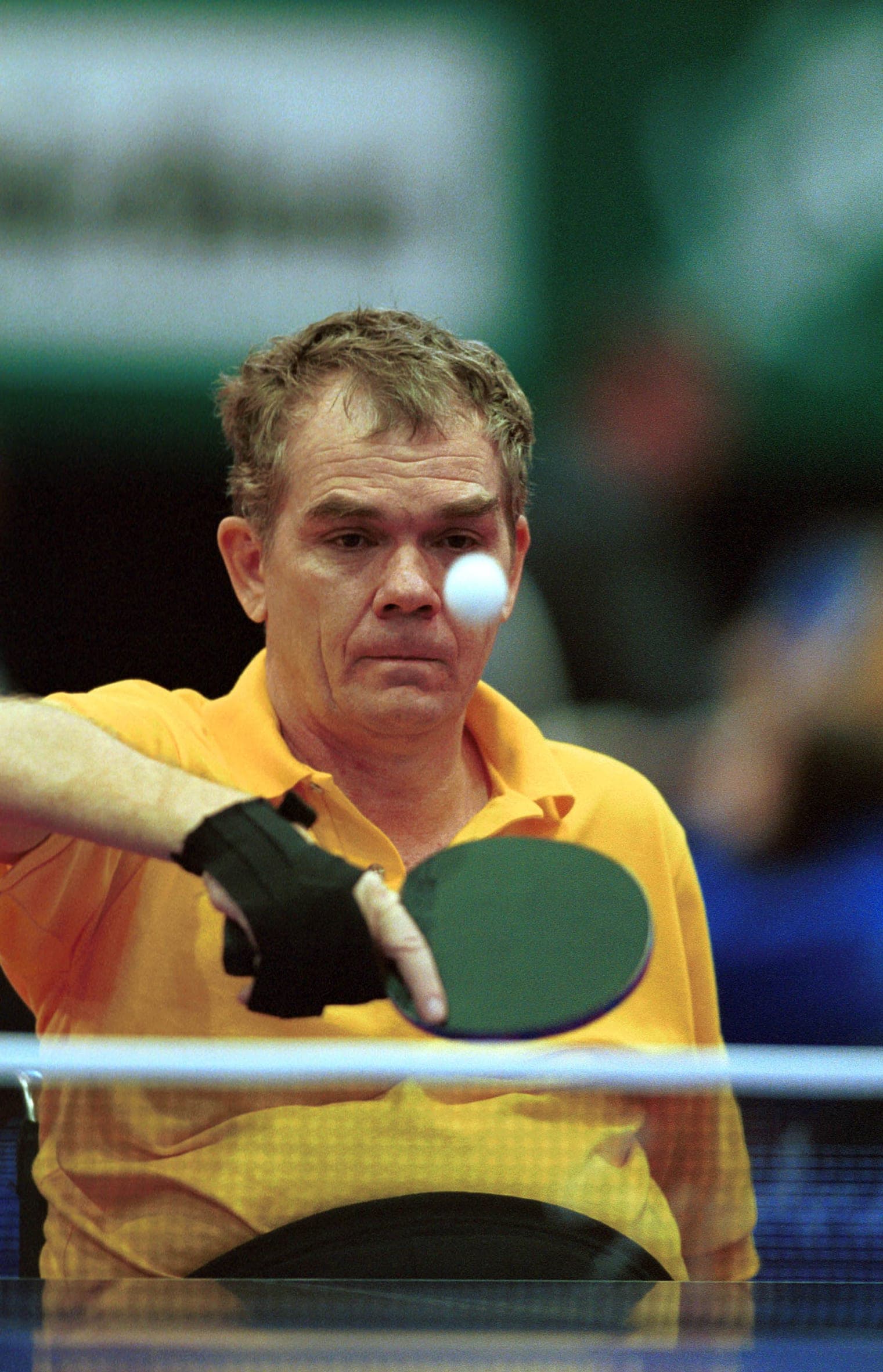
Table Tennis
A fast, low-impact indoor racquet sport that sharpens reflexes and is easy to start.
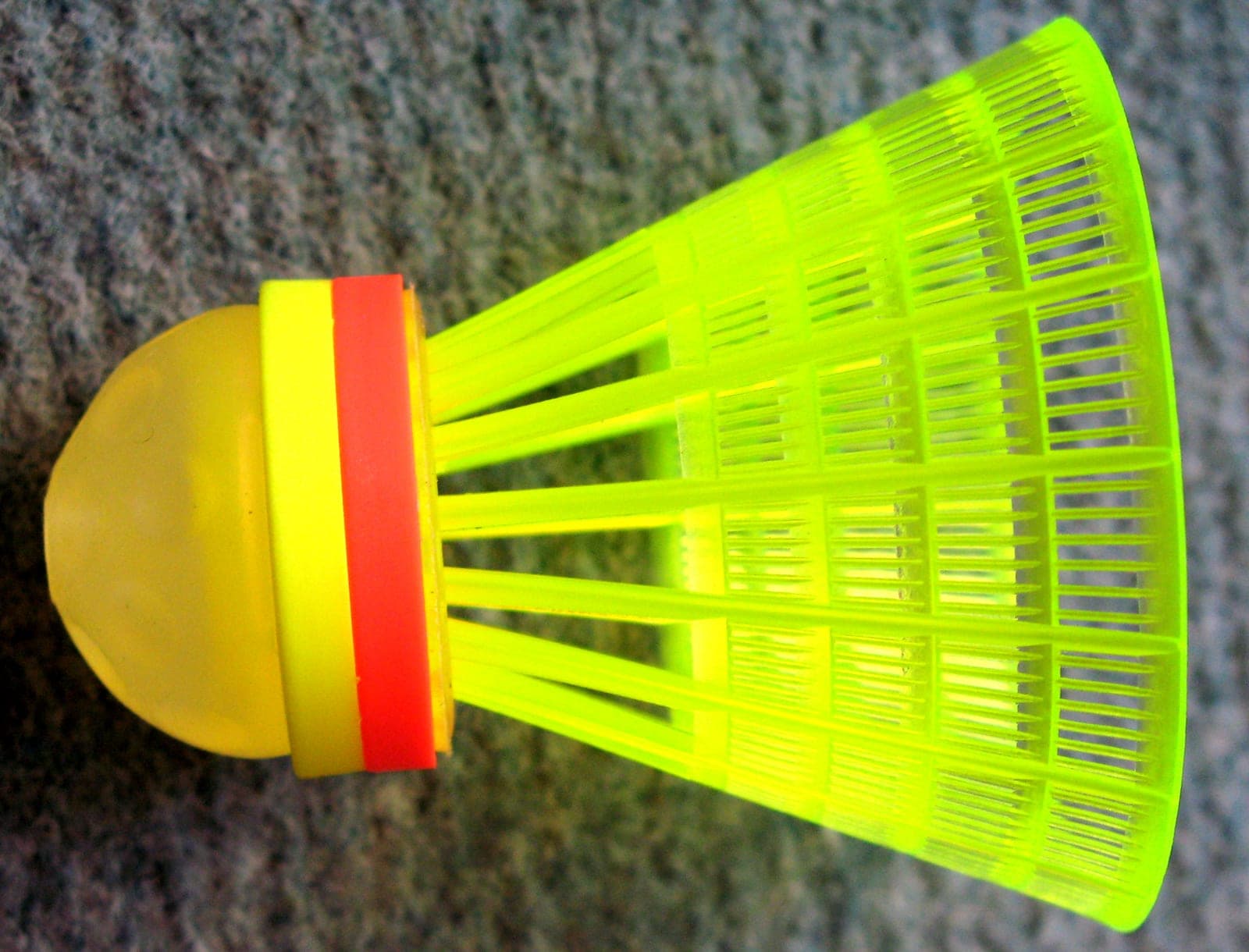
Badminton
A fast indoor racquet sport played with a shuttlecock that rewards agility and touch.

Football
The world’s most popular team sport — endless running, teamwork and community in one game.

Basketball
A fast, dynamic team sport of running, jumping and quick decisions on court.
Explore across the knowledge base
Follow the threads that connect Reaction Time to the rest of SocialSportHub.
Movement patterns
- AccelerationThe athletic pattern of building speed from a standing or slow start by driving large horizontal forces into the ground to project the body forward.
- CatchReceiving a moving object and securing it under control, absorbing its momentum by yielding along its path so kinetic energy is dissipated rather than rebounded away.
- CutA sharp, frequently reactive plant-and-redirect performed in a single decisive foot contact to evade an opponent or abruptly alter a line of travel.
- StrikeA ballistic, whole-body hitting action that channels ground-generated force through a proximal-to-distal kinetic chain to deliver momentum to a target via the hand, an implement or a body part at the moment of contact.
Go deeper with Reaction Time
Everywhere else on the platform that covers Reaction Time — assembled from what actually references it, so nothing here is a dead end.
Take it away
Open data and the whole-platform view of this subject.
How this page is maintained
- Content type
- Term
- Provenance
- Tier A — evergreen educational
- Verified external sources
- 0
- Content updated
- 2026-09-01
Evergreen, first-party explanation — it makes no claim that needs an external source. How we handle sources and reviews.