
Vice-Captain
The deputy leader who takes on the captain's responsibilities when the captain is absent or unavailable.
Definition
The vice-captain is the designated second-in-command of a team, ready to assume the captain's duties whenever the captain is off the field, injured, suspended or rested. In practice this means stepping into leadership tasks such as the coin toss, communicating with officials and organising teammates during play.
Beyond being a stand-in, the vice-captain usually shares day-to-day leadership — supporting the captain, helping to set standards and relaying instructions. In some sports the role is a recognised part of the leadership group, and it is often seen as a stepping stone toward the captaincy itself.
Where you’ll hear “vice-captain”
Sports that use this term:

Football
The world’s most popular team sport — endless running, teamwork and community in one game.
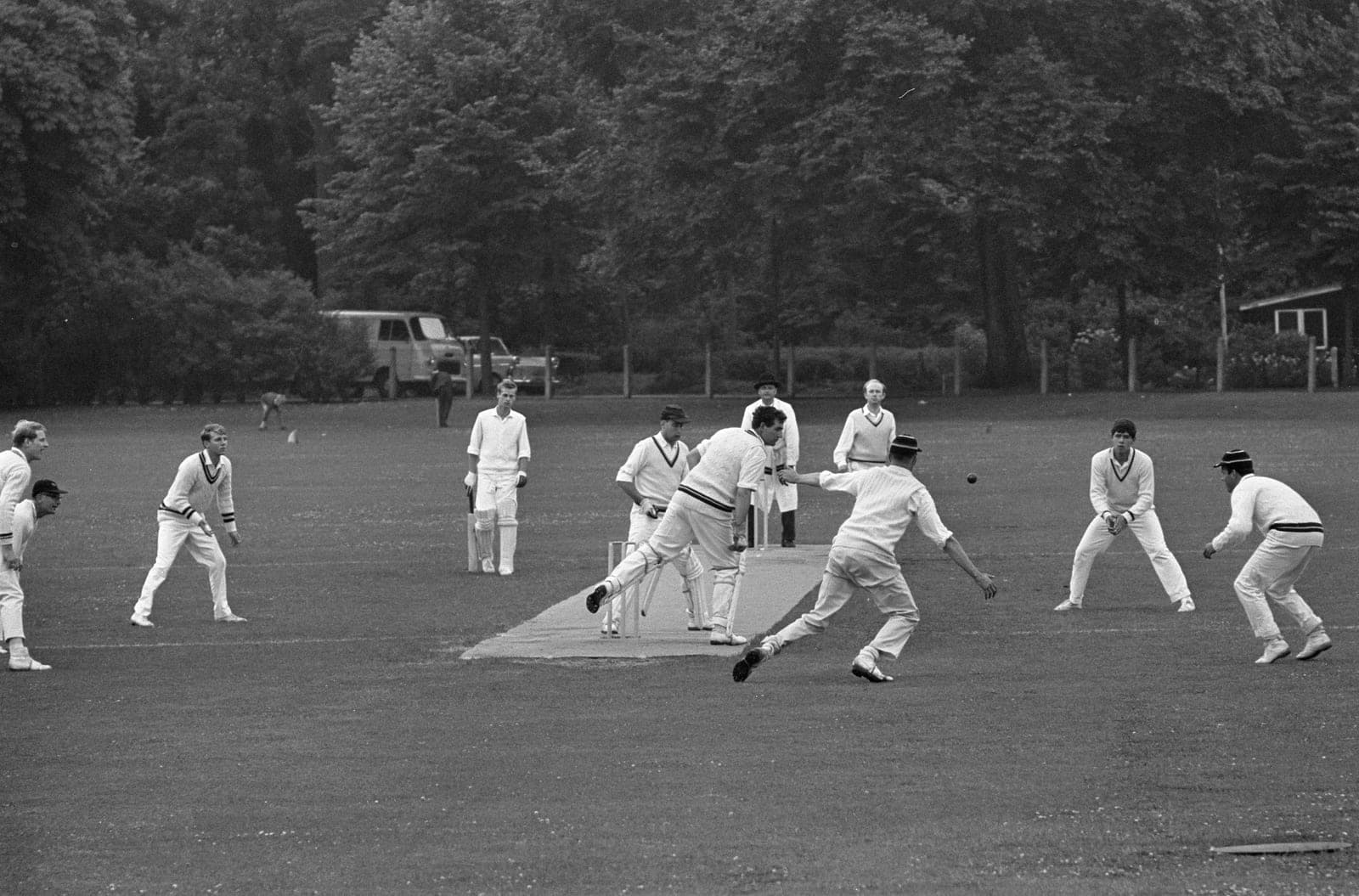
Cricket
A bat-and-ball team sport where sides take turns to bat and to bowl and field, scoring runs.
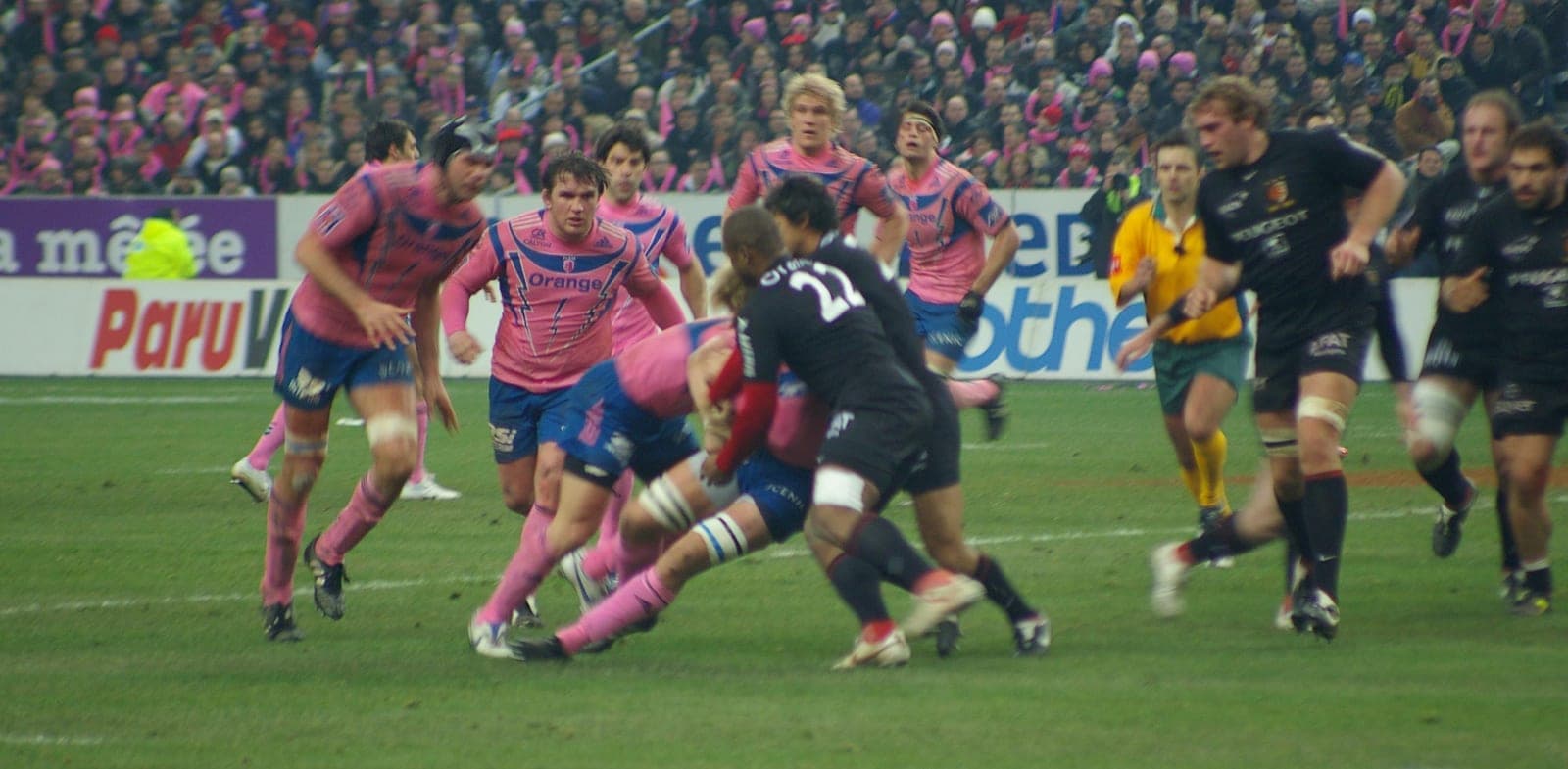
Rugby
A physical team sport of carrying, passing and kicking an oval ball toward the opposing line.

Basketball
A fast, dynamic team sport of running, jumping and quick decisions on court.
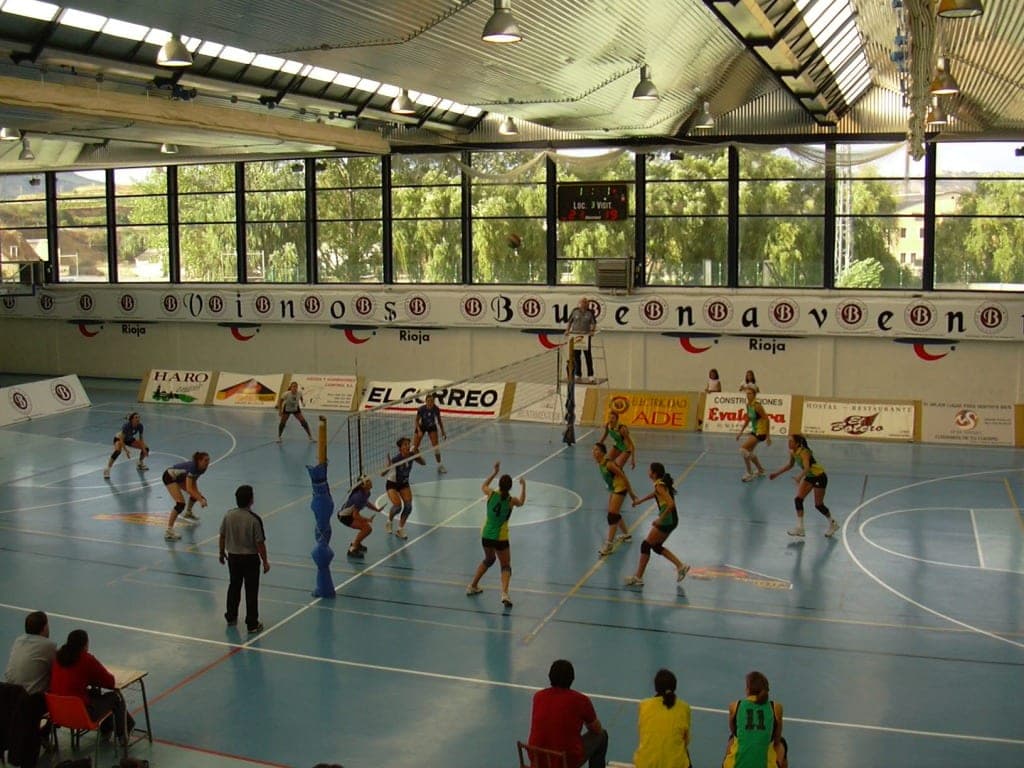
Volleyball
A non-contact team sport of rallies, jumps and teamwork — indoors or on the beach.
Explore across the knowledge base
Follow the threads that connect Vice-Captain to the rest of SocialSportHub.
Player roles
- CaptainThe captain is a team's on-field leader who communicates, makes in-game decisions and sets standards — a role any player can hold, not a fixed position.
- PlaymakerThe playmaker is a team's creative hub — the player who orchestrates attacks, controls the tempo and distributes the ball so teammates can score.
Sports communication
- Captain communicationHow a team's designated captain relays decisions, sets a tone and — in many sports — acts as the recognised point of contact with officials.
- Role clarityEveryone on a team understanding what their own job is — and their teammates' — so effort is not wasted on overlap or gaps.
- Leadership communicationHow players who lead — captains or not — communicate to organise, encourage and give direction, drawing teammates into a shared plan.
Officiating
- TimekeeperThe timekeeper is the official who runs a contest's clock — starting and stopping time, timing rounds, races and periods, and signalling when time expires.
- ScorekeeperThe official who keeps the authoritative record of a contest — score, fouls, and statistics — usually seated at a scorer's table beside the timekeeper.
Positions
- Centre (netball)The centre is netball’s link between attack and defence, the only player allowed in every third except the two goal circles, and the player who takes the centre pass.
- Centre-backA centre-back is a central defender in football whose main job is to stop opposing attackers and clear the ball from dangerous areas.
Go deeper with Vice-Captain
Everywhere else on the platform that covers Vice-Captain — assembled from what actually references it, so nothing here is a dead end.
Take it away
Open data and the whole-platform view of this subject.
How this page is maintained
- Content type
- Term
- Provenance
- Tier A — evergreen educational
- Verified external sources
- 0
- Content updated
- 2026-09-01
Evergreen, first-party explanation — it makes no claim that needs an external source. How we handle sources and reviews.