
Assistant Referee (Linesman)
A supporting match official who patrols a line or touchline to judge offside, out-of-play, and other calls, advising the main referee.
Definition
An assistant referee is a secondary official who helps the referee by monitoring a specific line or area of the field. Their classic duties include signalling when the ball leaves the field of play, indicating which side receives the restart, and flagging offside. They communicate through flag signals and, in professional sport, radio contact with the main official, but they advise rather than overrule.
Association football renamed the role from 'linesman' to 'assistant referee' in 1996 to reflect broader responsibilities. Related line officials exist across sports: tennis line judges call whether a ball lands in or out on a given line, rugby's assistant referees (touch judges) signal touch and report foul play, and ice hockey linesmen handle offside and icing. The common thread is a supporting official focused on lines and territory.
Meaning by sport
This term is used differently across sports:
- Football
- An assistant referee who patrols one touchline and signals offside, throw-ins, corner or goal kicks, and other infringements with a flag.
- Tennis
- A line judge who calls whether the ball lands in or out on a specific line, subject to overrule by the chair umpire.
- rugby union
- An assistant referee (touch judge) who signals when the ball or player is in touch and reports foul play to the referee.
- ice hockey
- A linesman responsible chiefly for offside and icing calls and for conducting face-offs.
Where you’ll hear “assistant referee (linesman)”
Sports that use this term:

Football
The world’s most popular team sport — endless running, teamwork and community in one game.
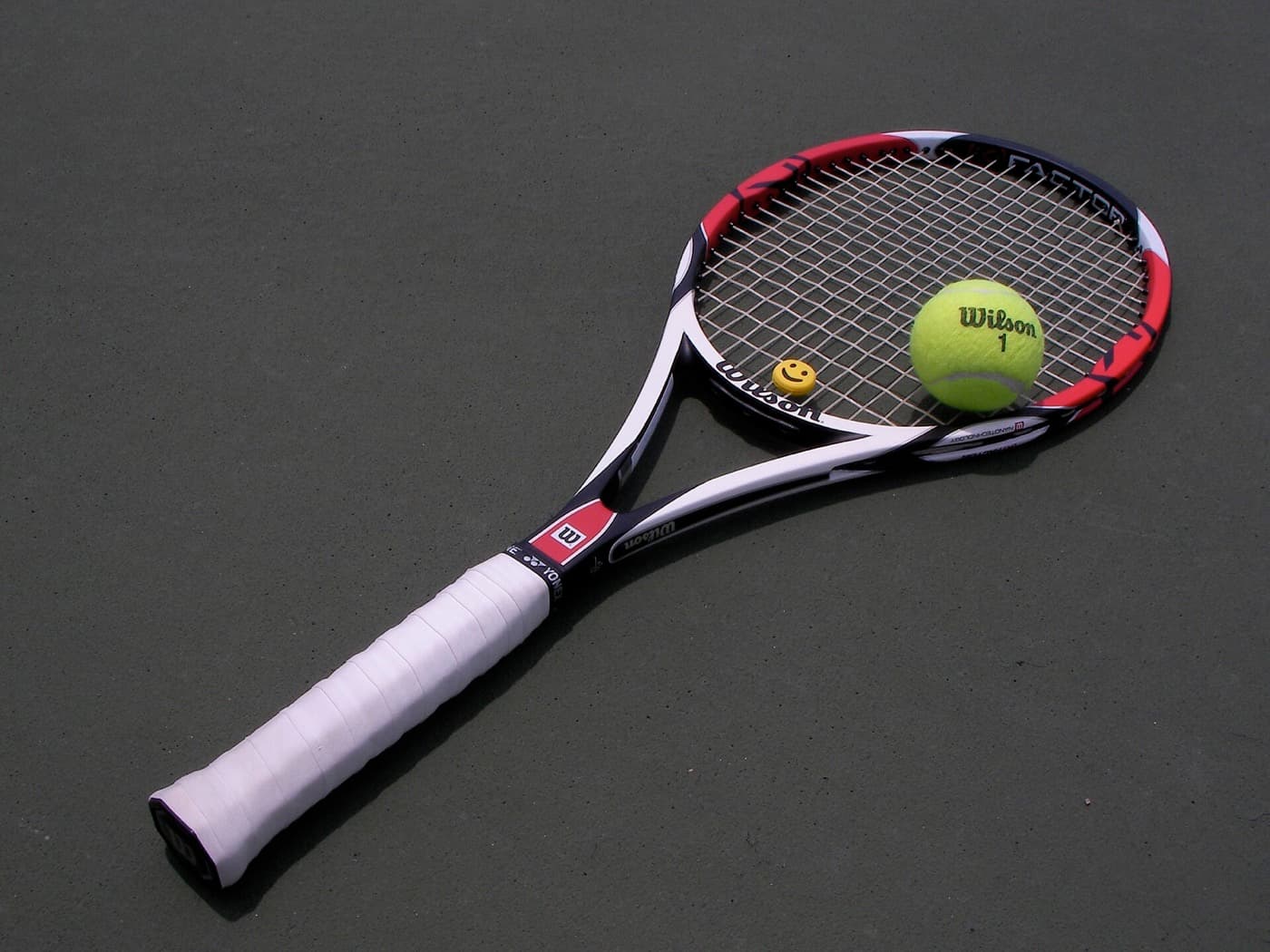
Tennis
A singles or doubles racquet sport that blends agility, strategy and stamina on court.
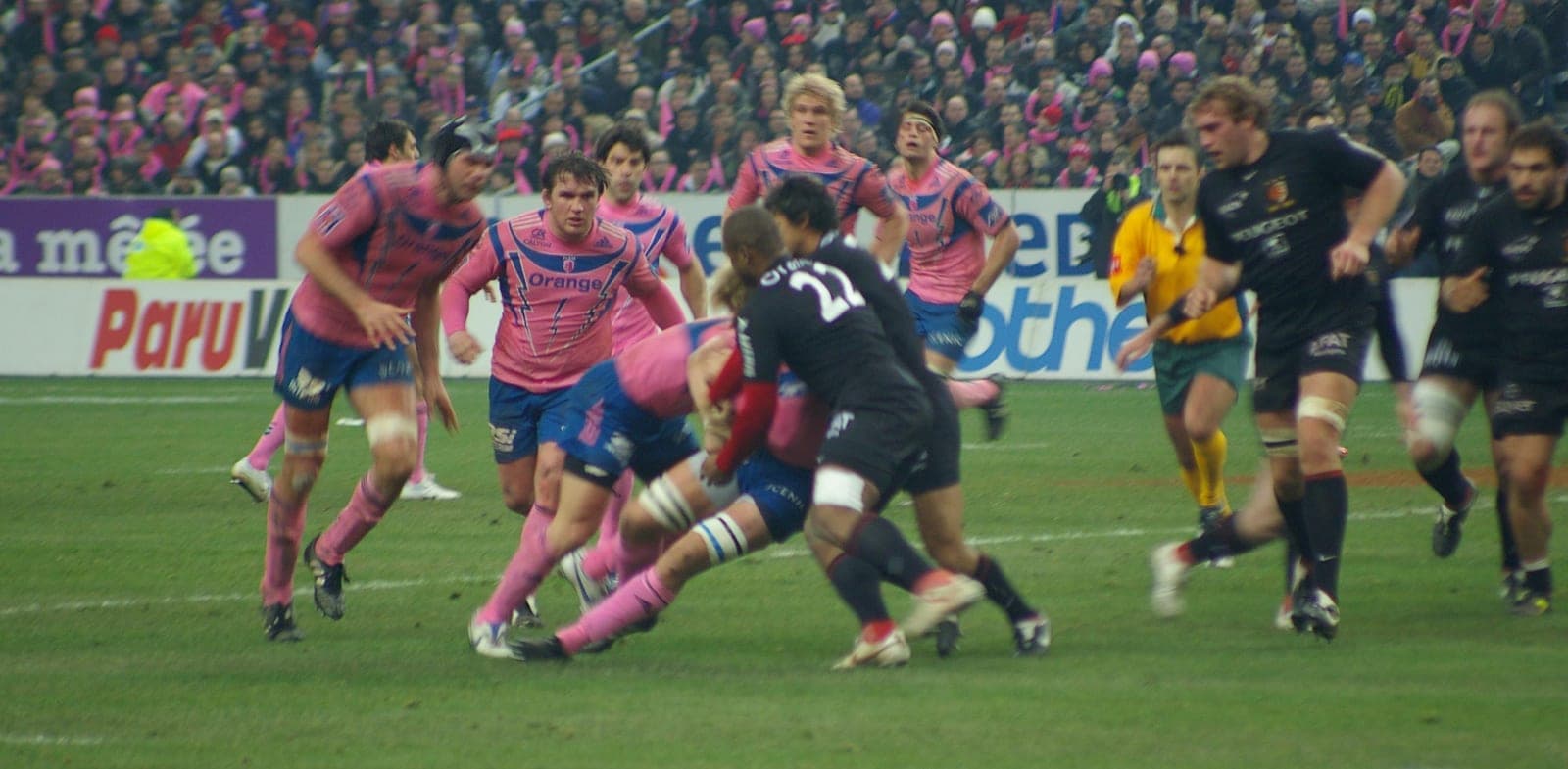
Rugby
A physical team sport of carrying, passing and kicking an oval ball toward the opposing line.
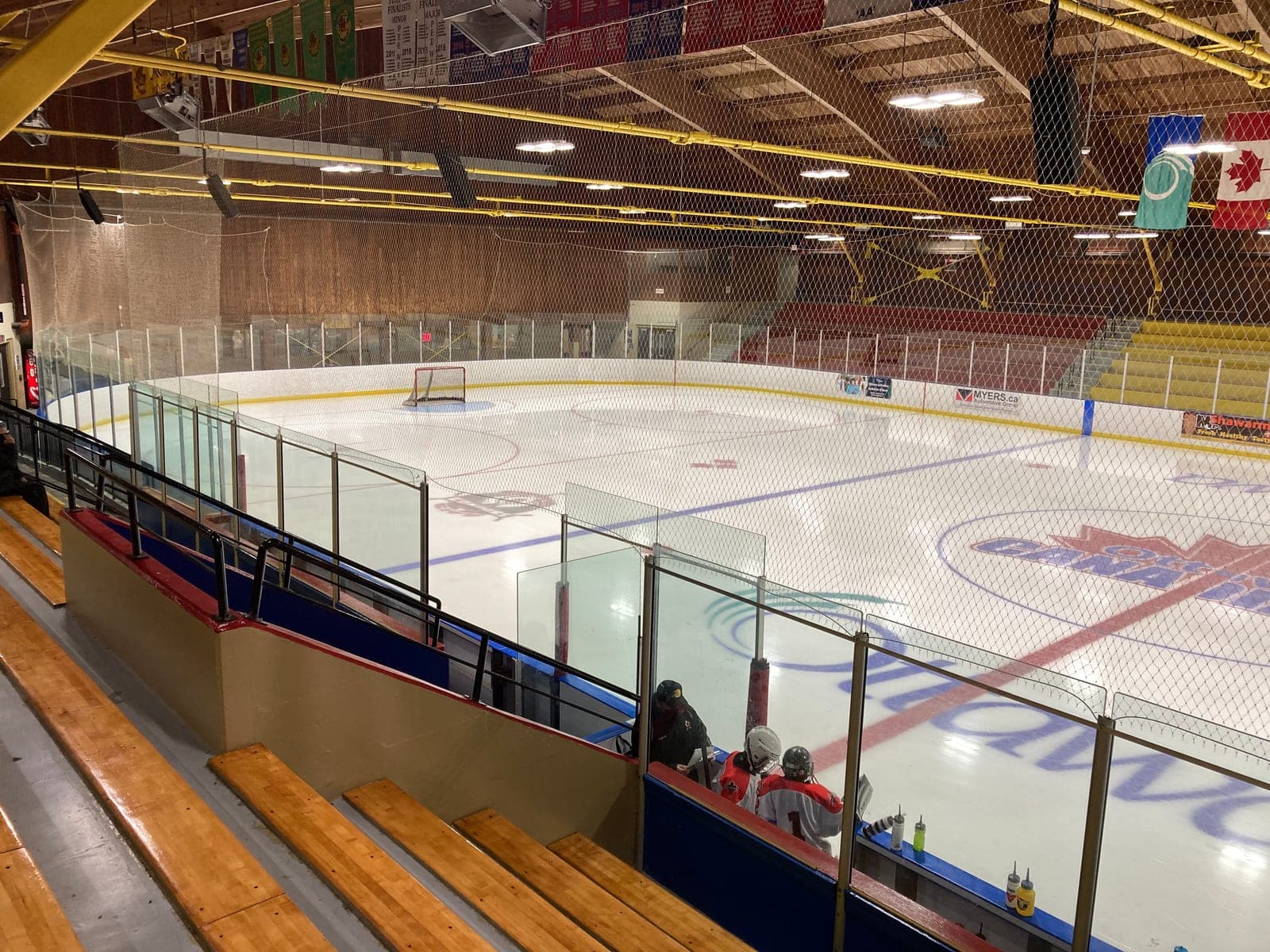
Ice Hockey
A fast team sport on ice that combines skating skill with quick passing and goal-scoring.
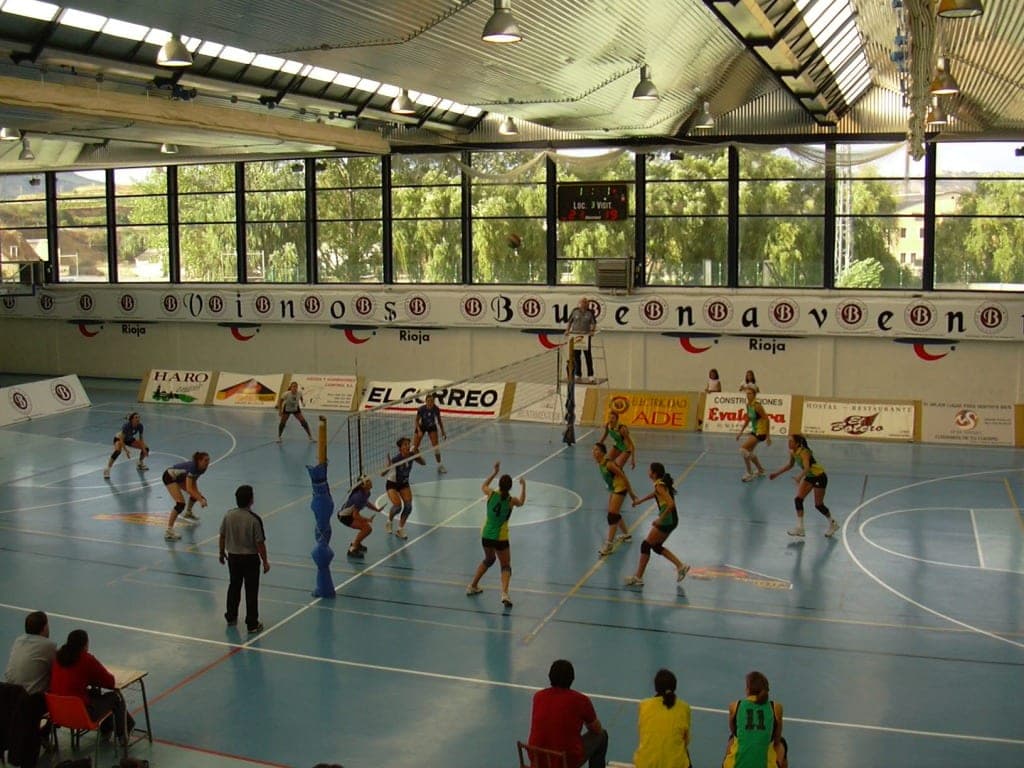
Volleyball
A non-contact team sport of rallies, jumps and teamwork — indoors or on the beach.
How it connects
The meaning-bearing relationships that place Assistant Referee (Linesman) in the wider knowledge graph — each one with the reason it exists.
Commonly confused with
Close enough to be mixed up — the distinction is worth knowing.
Explore across the knowledge base
Follow the threads that connect Assistant Referee (Linesman) to the rest of SocialSportHub.
Officiating
- Line JudgeA boundary-line official who calls whether the ball or player is in or out and flags foot faults, working under the head referee across many sports.
- UmpireA match official who rules on lines, serves and dismissals in racket, bat-and-ball and net sports such as tennis, cricket and baseball — and, in racket sports, also keeps the running score.
- RefereeThe primary on-field official who enforces the rules, controls play, penalises fouls, awards restarts, and blows the whistle to start and stop a match.
- Penalty SignalA standardized hand or flag signal an official uses to announce a foul, penalty, or restart so players, teammates, and spectators can read the call.
- TimekeeperThe timekeeper is the official who runs a contest's clock — starting and stopping time, timing rounds, races and periods, and signalling when time expires.
Go deeper with Assistant Referee (Linesman)
Everywhere else on the platform that covers Assistant Referee (Linesman) — assembled from what actually references it, so nothing here is a dead end.
Take it away
Open data and the whole-platform view of this subject.
How this page is maintained
- Content type
- Term
- Provenance
- Tier A — evergreen educational
- Verified external sources
- 0
- Content updated
- 2026-09-01
Evergreen, first-party explanation — it makes no claim that needs an external source. How we handle sources and reviews.