
Partner practice
Practising with one other person — feeding, rallying and drilling together so you both get repetition, a live target and instant feedback.
Overview
Partner practice is a session shared with one other player. Instead of hitting into a wall or shadowing a movement, you have a real person to feed, rally with or drill against — which makes the practice more game-like and gives you a target that moves and responds. It is a staple of racquet sports, but the idea applies anywhere two people can work together.
A partner also gives you something a solo session cannot: an extra pair of eyes and a bit of back-and-forth about what is and isn't working. How a partner session is organised depends entirely on the sport and what you both want from it, so this describes the format rather than prescribing drills — and a coach remains the best source for what to actually work on.
Purpose & structure
- Practising with one other person, who acts as feeder, hitting partner or opponent.
- Adds a live, responsive target, so practice feels closer to real play than solo drills.
- Lets partners swap simple feedback and take turns leading a drill.
- Can be cooperative or competitive, depending on what you both want from the session.
- How it is structured varies by sport and level — there is no single right format.
Who it’s for
- Players who want more game-like repetition than solo practice allows, at any level.
- Beginners, especially with a patient partner or after some coaching, so both build sound habits.
- It is a great complement to coaching, but a partner is not a substitute for a coach's trained eye.
A format, not a plan
Sports it suits
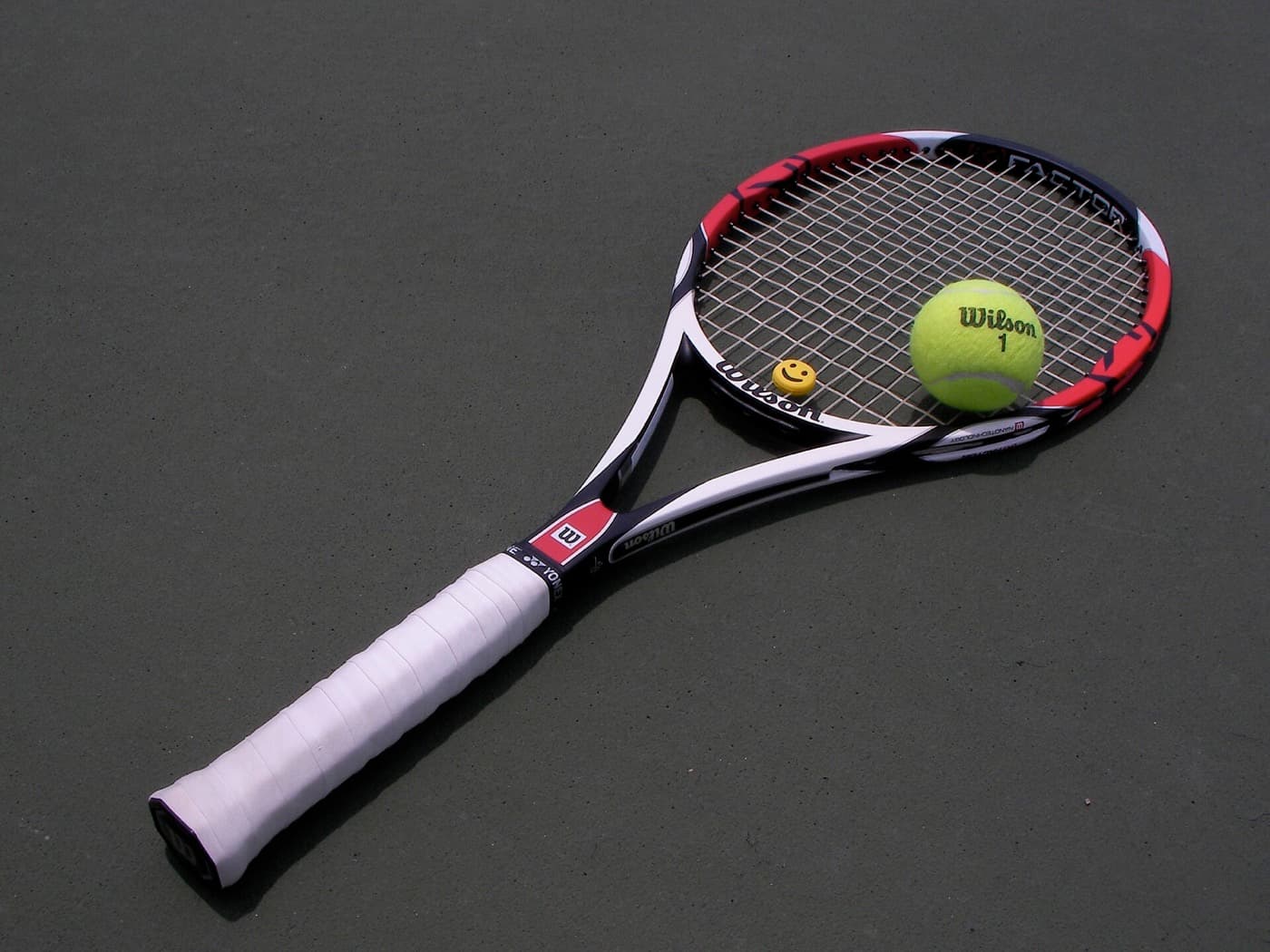
Tennis
A singles or doubles racquet sport that blends agility, strategy and stamina on court.
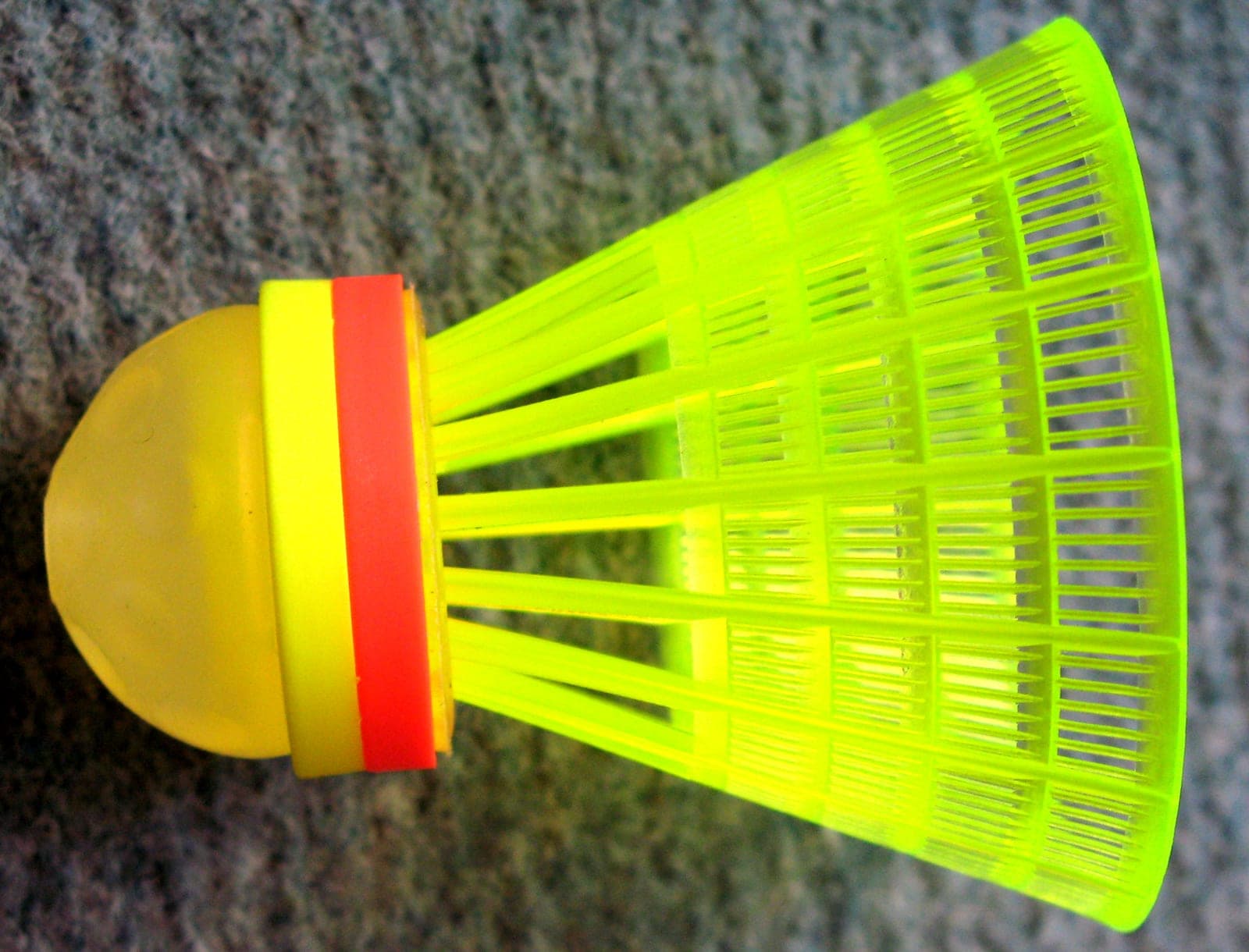
Badminton
A fast indoor racquet sport played with a shuttlecock that rewards agility and touch.
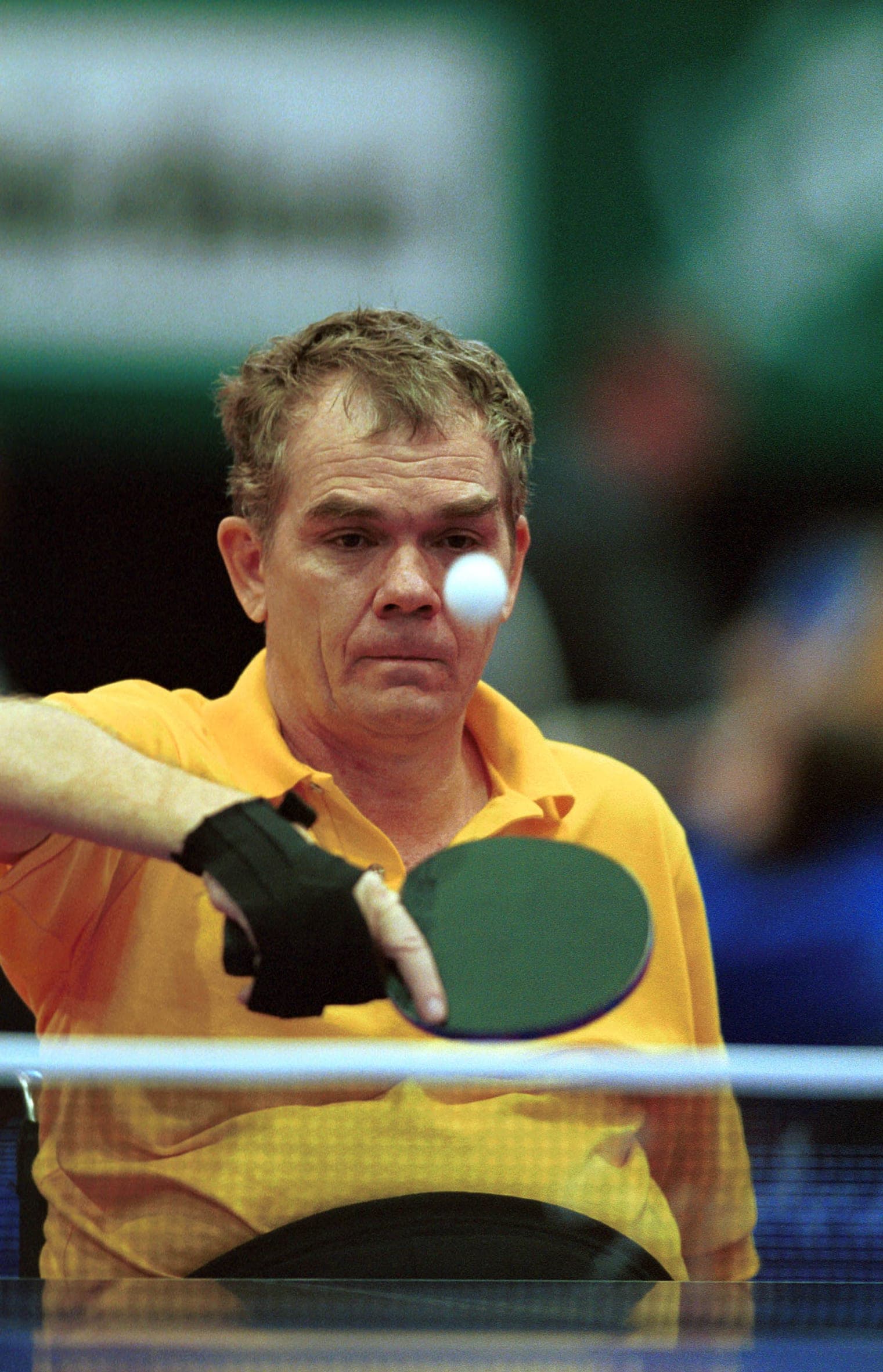
Table Tennis
A fast, low-impact indoor racquet sport that sharpens reflexes and is easy to start.

Padel
A sociable, doubles-first racquet sport played in an enclosed court where the walls stay in play.
Frequently asked questions
What is the difference between partner practice and a coached session?
In partner practice you work with another player of roughly similar standing — you feed and give each other feedback, but neither of you is there as a qualified coach. A coached session adds an experienced eye whose job is to guide you. Many people use both, and this page describes the format rather than a set plan.
Explore across the knowledge base
Follow the threads that connect Partner practice to the rest of SocialSportHub.
Coaching concepts
- Repetition QualityThe attention and intent behind each repetition matter more than raw volume — focused, well-executed reps build skill faster than mindless numbers.
- Constraints-Led PracticeA coaching approach that adjusts the task, environment or rules so a desired movement or decision emerges in practice, rather than being explicitly instructed.
- Small-Sided GamesPractising in scaled-down versions of a sport — fewer players, smaller area — so skills and decisions happen more often in a game-like setting.
- Transfer of TrainingWhether practice carries over to real performance — and why game-like, varied practice tends to transfer better than isolated, repetitive drills.
- Deliberate PracticeFocused, effortful practice that targets a specific weakness with full attention and immediate feedback — not just repeating what you already do well.
Sports communication
Techniques
- Crossover DribbleA basketball dribbling move that switches the ball quickly from one hand to the other to change direction and get past a defender.
- Parallel TurnA turn in which both skis stay parallel throughout, steered together rather than wedged apart.
- One-Handed BackhandA backhand groundstroke struck with a single hand on the grip, driving through the ball with a full extension of the hitting arm.
How this page is maintained
- Content type
- Session type
- Provenance
- Tier A — evergreen educational
- Verified external sources
- 0
- Content updated
- 2026-07-12
Evergreen, first-party explanation — it makes no claim that needs an external source. How we handle sources and reviews.