
Deceleration
The controlled reduction of the body's speed, absorbing momentum in order to stop, slow, or prepare to change direction.
Definition
Deceleration is the braking half of movement: the ability to reduce velocity under control rather than simply running fast. It requires muscles to work eccentrically, lengthening while resisting, to absorb the body's momentum, and it is fundamental to stopping cleanly, defending, and setting up a change of direction.
Because sports such as basketball, football, tennis and padel involve constant stop-start play, weak deceleration limits how sharply an athlete can cut or reposition. Training often emphasises landing mechanics, controlled stops and the strength to tolerate braking forces. It is coached as a movement skill and is not presented here as injury prevention or medical advice.
Where you’ll hear “deceleration”
Sports that use this term:
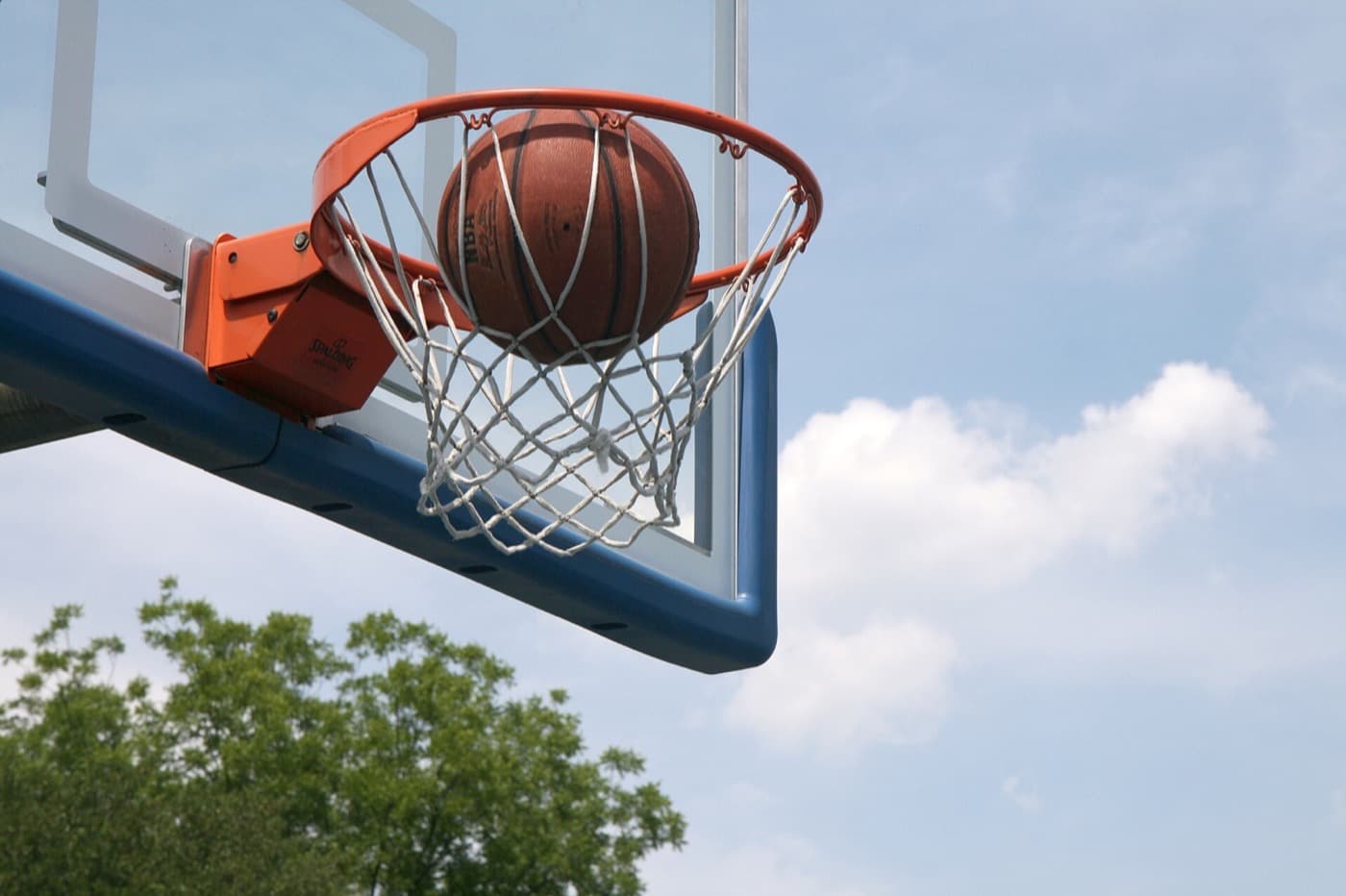
Basketball
A fast, dynamic team sport of running, jumping and quick decisions on court.
Football
The world’s most popular team sport — endless running, teamwork and community in one game.
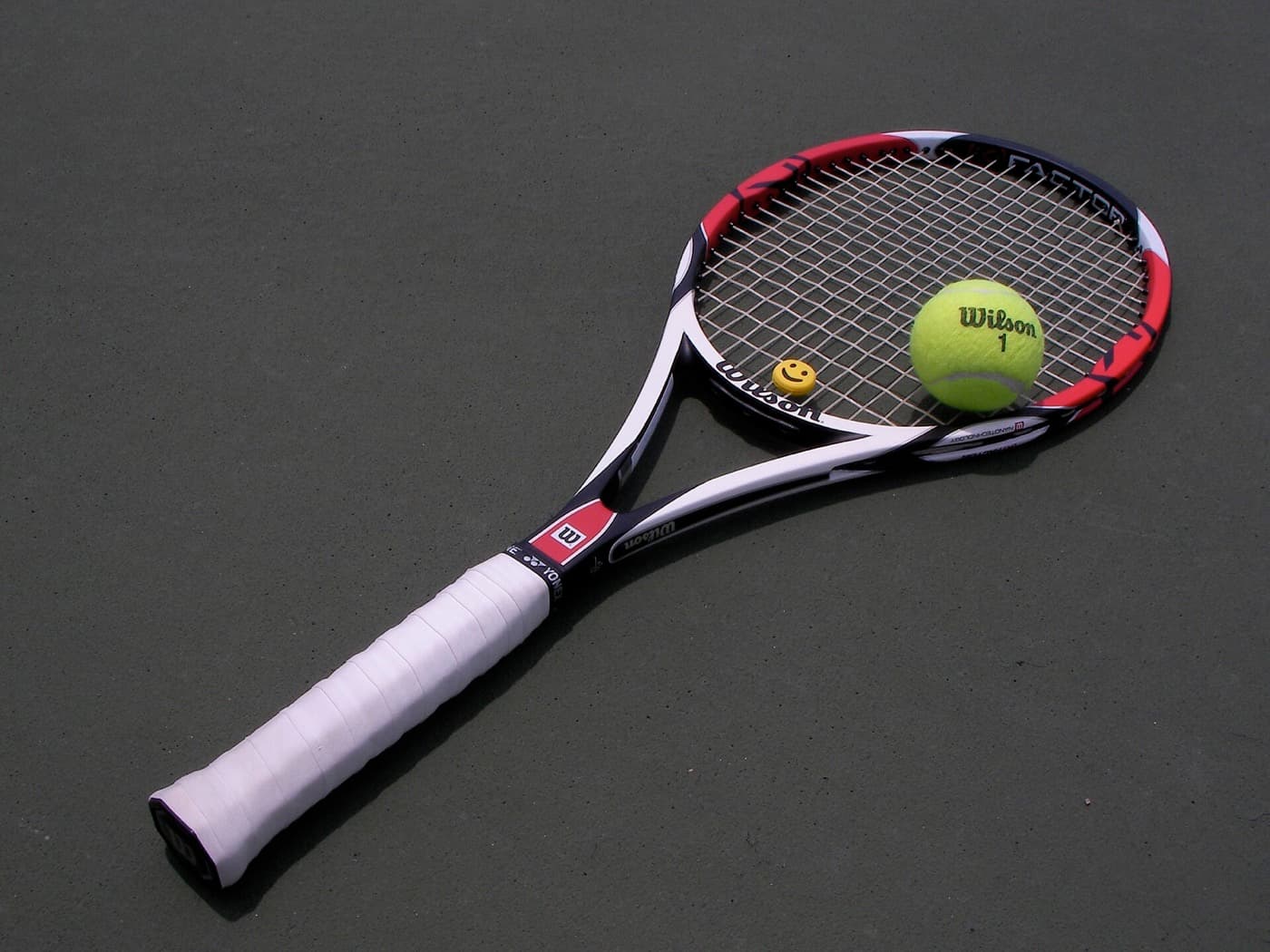
Tennis
A singles or doubles racquet sport that blends agility, strategy and stamina on court.

Padel
A sociable, doubles-first racquet sport played in an enclosed court where the walls stay in play.
Explore across the knowledge base
Follow the threads that connect Deceleration to the rest of SocialSportHub.
Movement patterns
- BackpedalControlled backward locomotion performed while facing forward, staying low and pushing off the balls of the feet in short strides to stay reactive and keep play in view.
- CatchReceiving a moving object and securing it under control, absorbing its momentum by yielding along its path so kinetic energy is dissipated rather than rebounded away.
- Change of DirectionA planned redirection of the body from one movement vector to another, requiring an athlete to decelerate existing momentum and reaccelerate along a new line between two known points.
- CutA sharp, frequently reactive plant-and-redirect performed in a single decisive foot contact to evade an opponent or abruptly alter a line of travel.
- GlideGlide is continuous, low-resistance locomotion in which the body holds a streamlined shape so that momentum generated by a preceding propulsive action carries it smoothly across a surface or through a medium.
Movement comparisons
- Change of Direction vs DecelerationChange of Direction vs Deceleration: how these two movements differ, what they share, and how to tell them apart — from mechanics to the sports that use them.
- Deceleration vs LandingDeceleration vs Landing: how these two movements differ, what they share, and how to tell them apart — from mechanics to the sports that use them.
- Acceleration vs DecelerationAcceleration vs Deceleration: how these two movements differ, what they share, and how to tell them apart — from mechanics to the sports that use them.
Go deeper with Deceleration
Everywhere else on the platform that covers Deceleration — assembled from what actually references it, so nothing here is a dead end.
Take it away
Open data and the whole-platform view of this subject.
How this page is maintained
- Content type
- Term
- Provenance
- Tier A — evergreen educational
- Verified external sources
- 0
- Content updated
- 2026-09-01
Evergreen, first-party explanation — it makes no claim that needs an external source. How we handle sources and reviews.