
Low block
A defensive approach where a team sits deep near its own goal in a compact shape, conceding space further up the field.
Definition
A low block is when a team defends with most or all of its players positioned close to their own goal, usually in two tight banks of players. The aim is to deny the opposition space in dangerous central areas and force them to attack from wide positions or from distance.
Used in football, futsal and similar team sports, a low block is often chosen by a side that expects less possession or wants to protect a lead. It is commonly paired with quick counter-attacks, because winning the ball deep leaves space to break into once possession is regained.
Where you’ll hear “low block”
Sports that use this term:
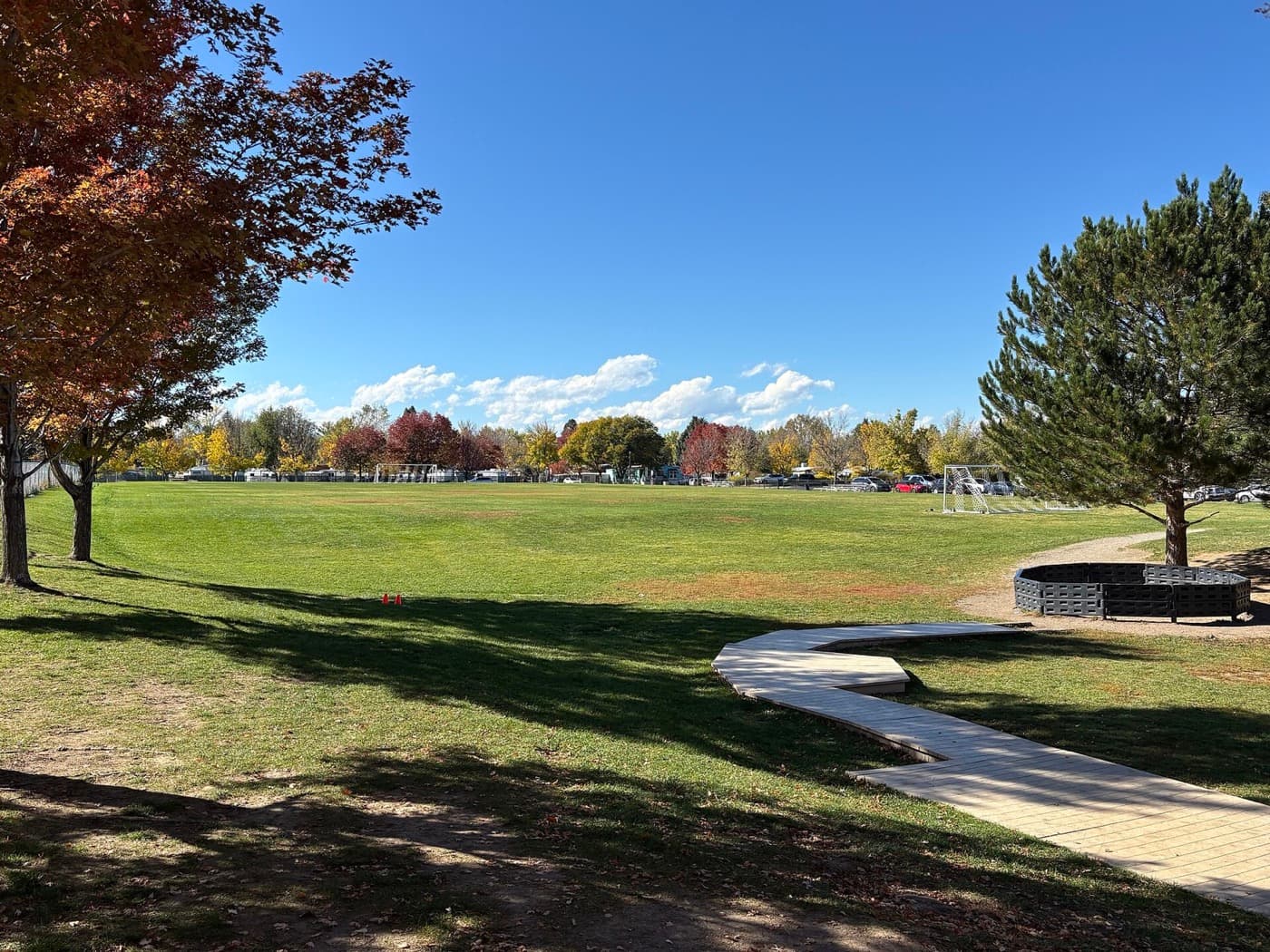
Football
The world’s most popular team sport — endless running, teamwork and community in one game.
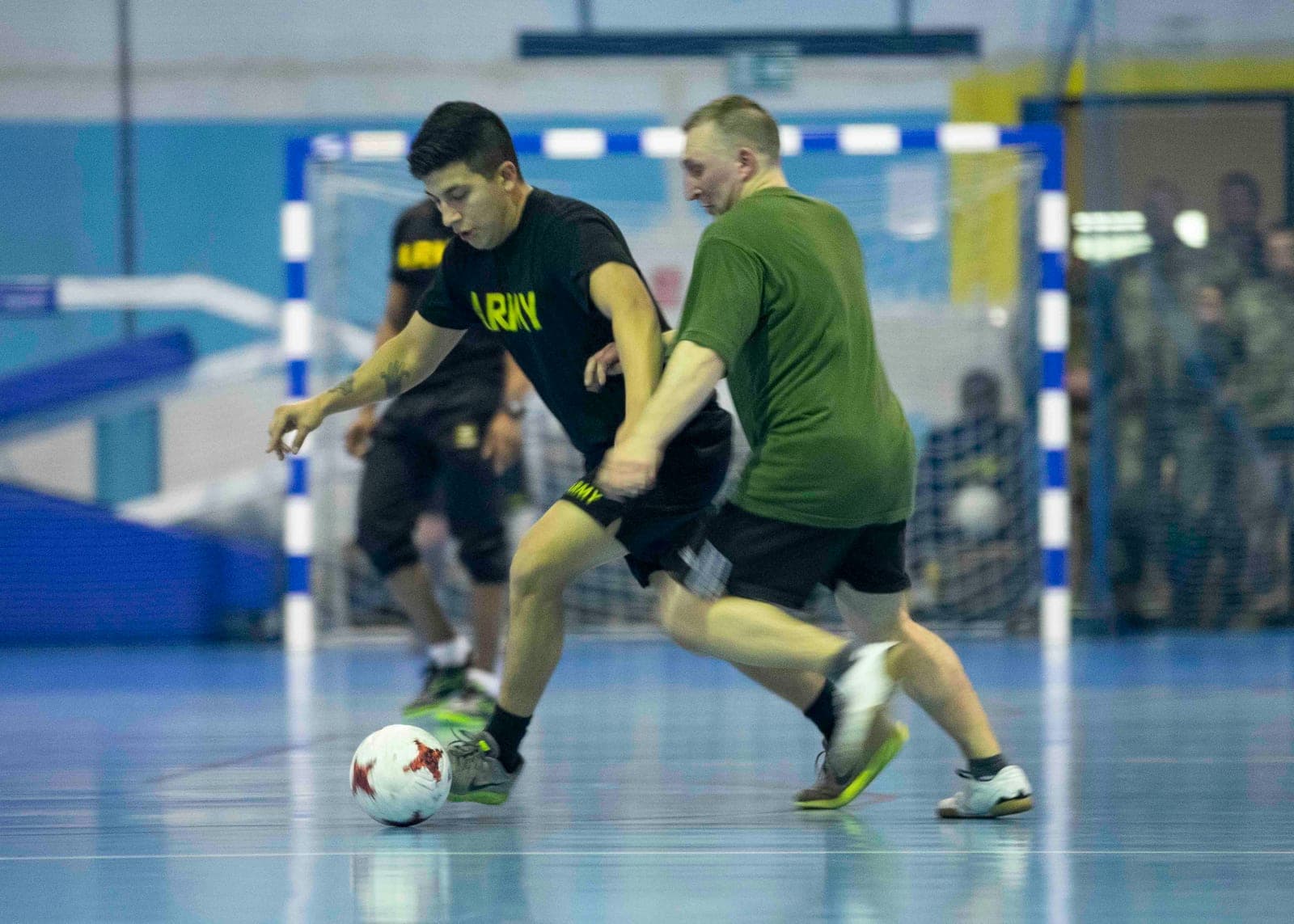
Futsal
A fast, small-sided indoor form of football played on a hard court with a low-bounce ball.
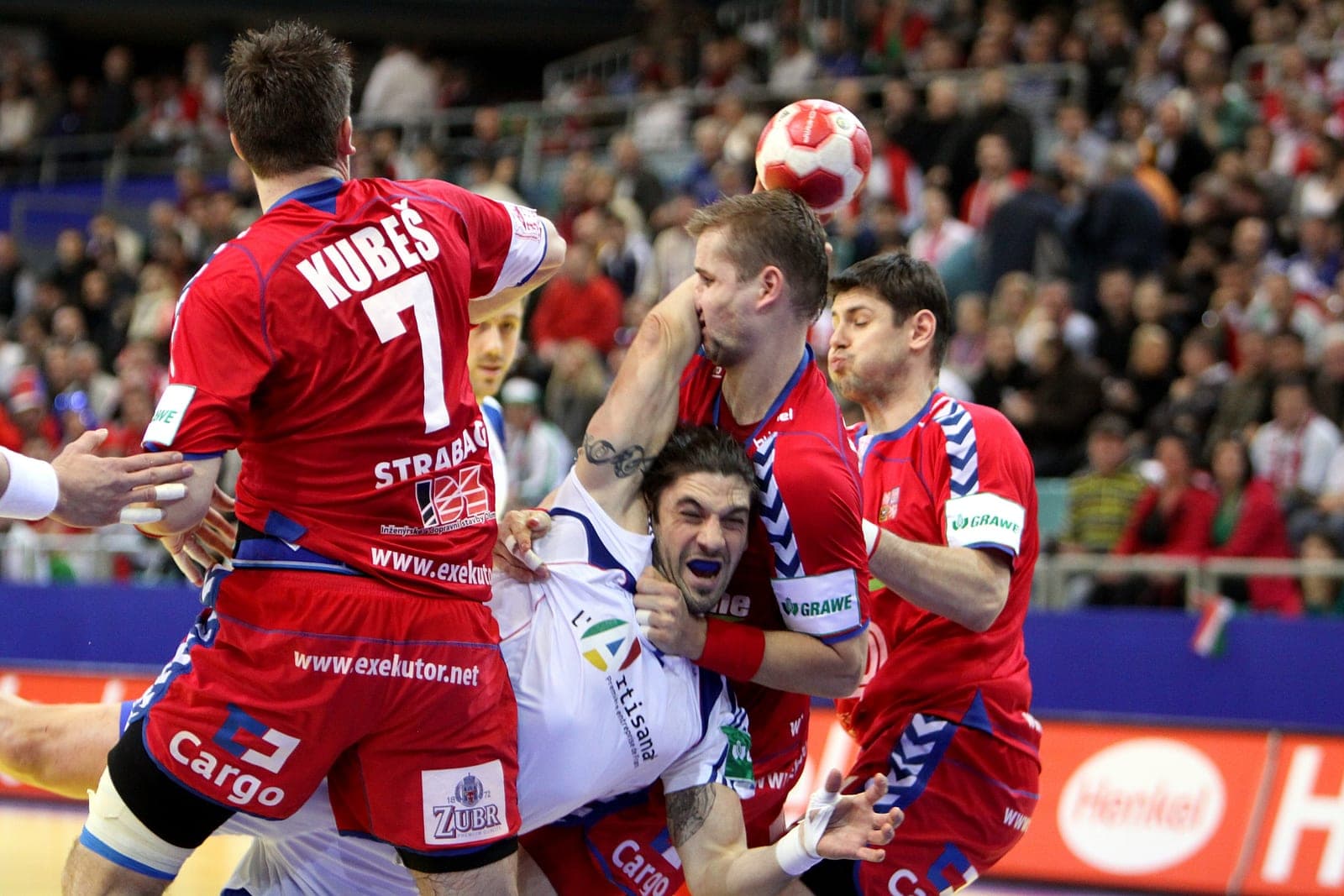
Handball
A fast indoor team sport of passing, jumping and throwing to score with the hands.
How it connects
The meaning-bearing relationships that place Low block in the wider knowledge graph — each one with the reason it exists.
Commonly confused with
Close enough to be mixed up — the distinction is worth knowing.
Explore across the knowledge base
Follow the threads that connect Low block to the rest of SocialSportHub.
Strategies
- Using Width and SpaceA side's plan to stretch the playing area and open gaps when attacking, then shrink and control that space when defending.
- Attacking vs Defensive BalanceThe overarching choice a team or athlete makes about how much to commit to creating scoring chances versus avoiding conceding, and when to shift it.
Techniques
- The slice in tennisThe underspin stroke that changes a rally's height and pace — how slice keeps the ball low, when it is defensive and when it is an attack, and what it does on different surfaces.
- Carving TurnA turn where the edged skis cut a clean arc in the snow and follow their own shape with little or no skidding.
- The loop and the blockTable tennis's primary attacking stroke and its primary counter — how a loop lifts backspin into topspin, and why a block uses the attacker's own pace against them.
- The return of serveTennis's most under-coached shot — where to stand against a first and second serve, why blocking beats swinging, and what the Rules allow a returner to do.
- Volleyball DigA defensive contact that keeps a hard-driven ball in play by passing it up off the forearms, usually from a low position.
Decision making
Skills
- BlockingThe skill of using the hands or body to stop or slow an opponent’s attack.
- MarkingThe defensive skill of staying close to an opponent to limit their space and options.
- DiggingThe volleyball skill of controlling a hard-driven ball low to keep it in play.
- Treading waterThe skill of staying afloat and upright in deep water without moving anywhere.
Positions
- Defensive midfielderA defensive midfielder sits in front of the defence, breaking up opposition attacks and shielding the back line.
- PivotThe pivot is a handball attacker who plays close to the opposition defence, setting screens and looking for chances near the goal area.
- CenterThe center is usually the tallest player on a basketball team, playing near the basket to score inside, rebound, and protect the rim.
Go deeper with Low block
Everywhere else on the platform that covers Low block — assembled from what actually references it, so nothing here is a dead end.
Take it away
Open data and the whole-platform view of this subject.
How this page is maintained
- Content type
- Term
- Provenance
- Tier A — evergreen educational
- Verified external sources
- 0
- Content updated
- 2026-09-01
Evergreen, first-party explanation — it makes no claim that needs an external source. How we handle sources and reviews.